Musty odors coming from air ducts are a common concern for homeowners and building managers. These unpleasant smells often signal the presence of mold, mildew, or bacteria within the HVAC system. Addressing these odors is not just about comfort—it’s also about maintaining healthy indoor air quality. One solution that has gained popularity is the use of UV light technology in ductwork. But can UV light remove musty smells effectively, and what should you know before considering this approach?
This article explores how ultraviolet (UV) light works in HVAC systems, its effectiveness against odor-causing contaminants, and what to expect if you’re considering this technology. For those interested in a deeper dive into the science and practicalities, you may also want to read about improving hvac cleanliness with uv light, which covers broader benefits and maintenance tips.
Understanding Musty Odors in Air Ducts
Musty smells in ductwork are usually caused by the growth of mold, mildew, and bacteria on damp surfaces inside the HVAC system. These microorganisms thrive in dark, moist environments, especially around coils, drip pans, and within duct linings. As air circulates, it picks up the volatile organic compounds (VOCs) produced by these organisms, spreading the odor throughout your space.
Common sources of moisture that contribute to these smells include:
- Condensation on cooling coils
- Leaks in ductwork or around HVAC components
- Poor drainage from drip pans
- High indoor humidity
Addressing the root cause—microbial growth and moisture—is key to eliminating persistent odors.
How UV Light Technology Targets Odor-Causing Contaminants
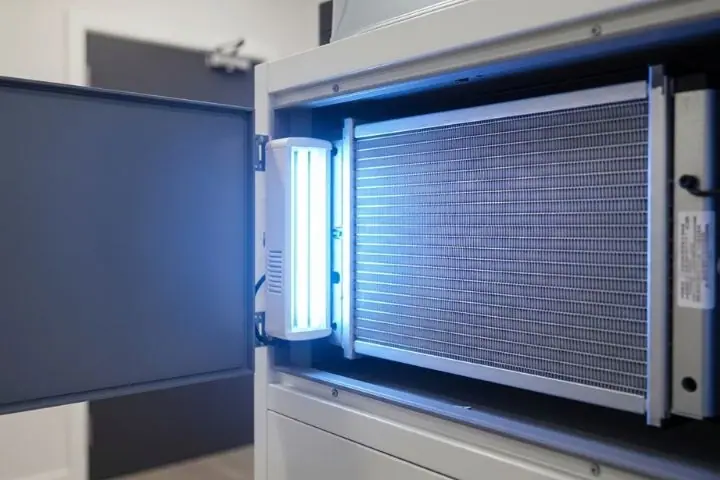
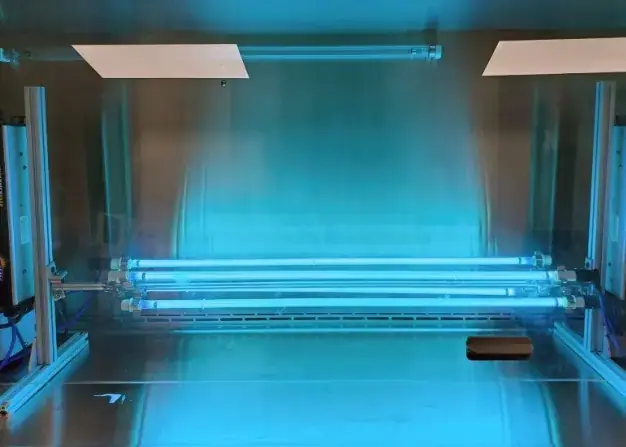
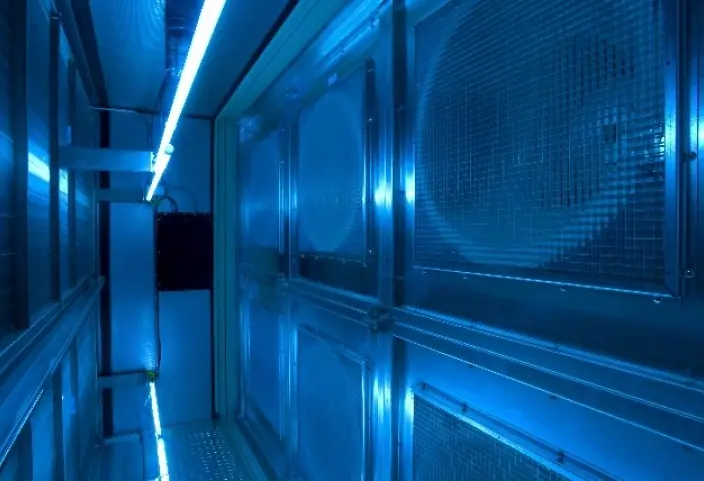
Ultraviolet germicidal irradiation (UVGI) uses short-wavelength UV-C light to disrupt the DNA and RNA of microorganisms, rendering them inactive or killing them outright. When installed in HVAC systems, UV lamps are typically placed near coils or inside ducts to continuously expose passing air and surfaces to germicidal light.
This process can:
- Reduce mold and mildew colonies on surfaces
- Limit the spread of bacteria and viruses
- Help prevent the recurrence of microbial growth
By targeting the source of musty odors—living contaminants—UV light can play a significant role in improving air freshness. For more on moisture management and UV solutions, see this guide on uv light and duct moisture control.
Does UV Light Actually Eliminate Musty Smells?
The effectiveness of UV light in removing musty odors depends on several factors:
- Placement and strength of the UV system: Proper installation ensures that the light reaches key areas where mold and bacteria grow.
- Extent of existing contamination: UV light is most effective as a preventive or maintenance tool. Heavy, established mold infestations may require initial cleaning before UV can maintain cleanliness.
- Continuous operation: For best results, UV lamps should operate continuously, especially during periods of high humidity or cooling demand.
While UV light can significantly reduce the microbial sources of musty odors, it may not provide instant results. It works over time by preventing regrowth and gradually improving air quality. For persistent or severe odors, combining UV treatment with professional duct cleaning and moisture control is recommended. You can learn more about reducing mold risk in ductwork for a comprehensive approach.
Benefits Beyond Odor Removal
Installing UV lamps in your HVAC system offers several advantages beyond just tackling musty smells:
- Improved indoor air quality: By reducing airborne pathogens, UV systems can help create a healthier environment for occupants.
- Lower maintenance needs: Cleaner coils and ducts mean less frequent cleaning and potentially longer equipment life.
- Energy efficiency: Removing microbial buildup from coils can improve heat exchange efficiency, lowering energy costs.
For families, especially those with children or sensitive individuals, these benefits can be significant. Explore more about uv light and children’s indoor air quality for insights on health impacts.
Limitations and Considerations for UV Odor Control
While UV technology is a powerful tool, it’s important to recognize its limitations:
- UV light does not remove dust or debris: Physical cleaning is still required for particulate buildup.
- Odors from non-microbial sources: If musty smells are caused by chemicals, dead animals, or other non-living sources, UV light will not address them.
- Lamp maintenance: UV bulbs lose effectiveness over time and should be replaced according to manufacturer recommendations.
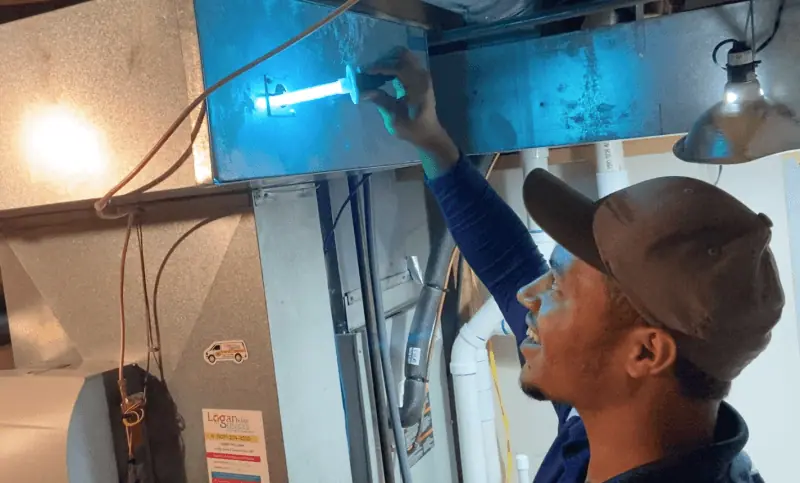
- Professional installation: Correct placement and shielding are crucial for safety and performance.
For a comprehensive improvement in air quality, consider combining UV solutions with regular maintenance and moisture management. For more details on the impact of UV installation, see air quality improvements after uv installation.
Expert Insights and Industry Recommendations
According to HVAC professionals and industry studies, UV-C systems are most effective when used as part of an integrated air quality strategy. They are endorsed for their ability to reduce microbial growth on coils and in ducts, which in turn can help minimize musty odors. For a technical overview and best practices, review this comprehensive guide to improving indoor air quality with UV lights.
Experts recommend:
- Inspecting and cleaning ducts before UV installation
- Ensuring proper drainage and humidity control
- Regularly checking and replacing UV lamps
Frequently Asked Questions
How long does it take for UV light to reduce musty odors?
The time frame depends on the level of contamination and system operation. In many cases, noticeable improvement occurs within a few days to weeks, especially if the source is microbial. Severe cases may require initial cleaning before UV treatment is fully effective.
Is UV light safe for my HVAC system and home?
When installed correctly by professionals, UV lamps are safe and do not emit ozone. They should be shielded to prevent direct exposure to eyes and skin. Regular maintenance ensures continued safety and performance.
Can UV lamps prevent mold from returning?
UV-C light helps inhibit the regrowth of mold and bacteria on treated surfaces. However, controlling moisture and maintaining clean ducts are also essential to prevent future problems.
Conclusion
Ultraviolet light is a proven tool for targeting the microbial sources of musty odors in air ducts. While it may not address every type of smell, it is highly effective at reducing mold, mildew, and bacteria—common culprits behind persistent odors. For best results, UV technology should be part of a broader HVAC maintenance plan that includes cleaning, moisture control, and regular inspections. If you’re considering this solution, consult with a qualified HVAC professional to assess your system and ensure safe, effective installation.