Interest in can uv light kill viruses in hvac systems has grown rapidly, especially as homeowners and businesses look for ways to improve indoor air quality and reduce the spread of airborne pathogens. Ultraviolet (UV) light technology is often promoted as a solution for disinfecting air as it circulates through heating, ventilation, and air conditioning (HVAC) systems. But how effective is this approach, and what does current research actually say about its ability to neutralize viruses?
This article explores the science behind UV disinfection in HVAC systems, the types of UV technology used, their effectiveness against viruses, and important considerations for anyone thinking about installing UV lights. We’ll also discuss the benefits, limitations, and potential risks, as well as provide answers to common questions about this technology.
For those interested in a deeper dive into the topic, the article on improving hvac cleanliness with uv light provides additional insights into how UV technology can support a cleaner HVAC environment.
How UV Light Works for Air Disinfection
Ultraviolet light is a form of electromagnetic radiation with wavelengths shorter than visible light. UV-C, a specific band within the UV spectrum (200–280 nanometers), is known for its germicidal properties. When microorganisms like viruses, bacteria, and mold spores are exposed to UV-C light, the energy disrupts their DNA or RNA, rendering them unable to replicate or cause infection.
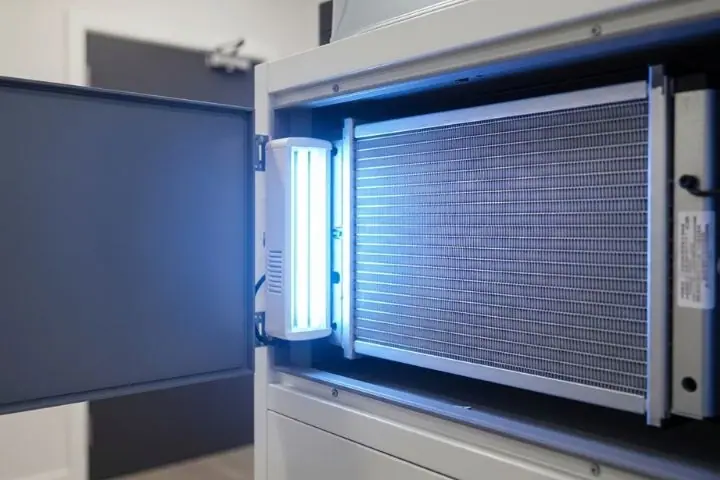
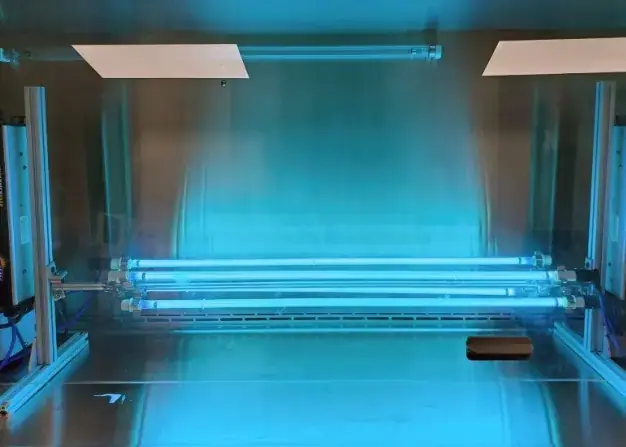
In HVAC systems, UV lamps are typically installed in air handlers or ductwork. As air passes over the UV light, airborne pathogens are exposed to the germicidal rays. The goal is to reduce the concentration of viable viruses and other microbes circulating through the building.
Types of UV Technology Used in HVAC Systems
There are two main types of UV systems for HVAC applications:
- Coil Sterilization: UV lamps are positioned near the evaporator coil to prevent microbial growth on surfaces. This helps maintain system efficiency and reduces mold and bacteria buildup.
- Air Sterilization: UV lamps are installed within the ductwork or air handler to treat moving air, targeting airborne pathogens as they pass by the light source.
Effectiveness of UV Light Against Viruses in HVAC Systems
Scientific studies have demonstrated that UV-C light can inactivate a wide range of viruses, including coronaviruses, influenza, and rhinoviruses. The effectiveness of UV-C in HVAC systems depends on several factors:
- Intensity and Exposure Time: The higher the intensity and the longer the exposure, the greater the inactivation rate of viruses.
- Airflow Speed: Fast-moving air may reduce the time pathogens spend in the UV field, potentially lowering disinfection rates.
- Lamp Placement: Proper installation ensures maximum exposure of airborne particles to the UV light.
- Maintenance: Dust and debris on lamps can reduce UV output, so regular cleaning and replacement are essential.
According to peer-reviewed research, well-designed UV-C systems can achieve significant reductions in airborne virus concentrations within HVAC ducts. However, real-world results depend on system design and maintenance. For a practical look at results, see air quality improvements after uv installation.
Benefits of Installing UV Lights in HVAC Units
There are several advantages to integrating UV-C technology into HVAC systems:
- Reduced Airborne Pathogens: UV-C can lower the concentration of viruses, bacteria, and mold spores in circulated air.
- Improved System Efficiency: By keeping coils and surfaces cleaner, UV lights help maintain optimal airflow and energy efficiency.
- Odor Reduction: UV-C can help break down organic compounds that cause unpleasant odors.
- Lower Maintenance Costs: Cleaner coils and ducts may reduce the need for frequent cleaning and repairs.
For those concerned about mold, UV technology is also effective in reducing mold risk in ductwork, making it a versatile addition to HVAC hygiene strategies.
Limitations and Considerations for UV Disinfection
While UV-C technology offers clear benefits, it is not a standalone solution for virus control. Some important limitations include:
- Limited Reach: UV light only disinfects what it directly illuminates. Shadowed areas or particles that pass quickly may not be fully treated.
- Supplementary Role: UV-C should be used alongside filtration, ventilation, and regular cleaning for comprehensive air quality management.
- Potential Byproducts: Some UV systems can generate ozone or interact with indoor air to produce secondary pollutants. The NIST has reported that certain UV disinfection lights may contribute to indoor air pollution if not properly designed and maintained.
- Installation and Maintenance: Professional installation is recommended to ensure safety and effectiveness. Lamps must be replaced according to manufacturer guidelines.
For a holistic approach to home hygiene, consider how UV technology fits into your overall air quality plan. The article on uv light and home hygiene discusses broader strategies for keeping air ducts and living spaces clean.
Types of UV Lamps Used in HVAC Applications
Not all UV lamps are created equal. The most common types used in HVAC systems include:
- Low-Pressure Mercury Lamps: Emit a strong UV-C wavelength (254 nm) effective for germicidal purposes.
- Pulsed Xenon Lamps: Deliver intense, short bursts of broad-spectrum UV, including UV-C.
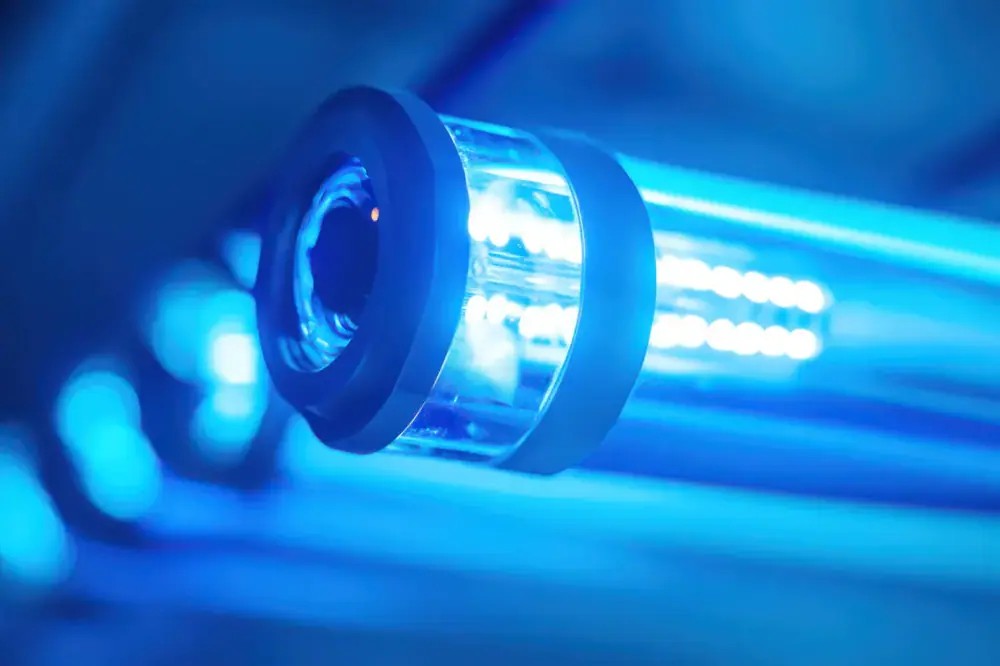
- LED UV Lamps: An emerging technology, offering energy efficiency and longer lifespan, though currently less common in HVAC settings.
Safety and Best Practices for UV Installations
UV-C light is harmful to skin and eyes, so safety precautions are essential. Properly installed systems are designed to prevent direct exposure to building occupants. Key best practices include:
- Professional installation to ensure correct placement and shielding.
- Regular maintenance and lamp replacement as recommended by the manufacturer.
- Monitoring for any signs of ozone production or unusual odors.
- Combining UV with high-efficiency filtration for optimal results.
For those focused on moisture and microbial growth in ducts, the guide on uv light and duct moisture control offers targeted advice for maintaining a healthy HVAC system.
Frequently Asked Questions
Does UV Light Eliminate All Viruses in HVAC Systems?
UV-C technology can significantly reduce the concentration of many airborne viruses, but it may not eliminate every single pathogen. Effectiveness depends on exposure time, lamp intensity, and system design. UV should be used as part of a layered approach to air quality.
Is UV-C Safe for Home and Office Use?
When installed and maintained correctly, UV-C systems are safe and do not expose occupants to harmful rays. However, direct exposure to UV-C light should always be avoided. Professional installation is strongly recommended.
How Often Should UV Lamps Be Replaced?
Most UV-C lamps used in HVAC systems require replacement every 9–12 months, depending on manufacturer guidelines and usage. Regular maintenance ensures continued effectiveness and safety.
Can UV Lights Help with Mold and Allergens?
Yes, UV-C can help control mold growth on HVAC coils and reduce airborne mold spores and certain allergens. It is especially effective when combined with proper filtration and humidity control.
Conclusion
Scientific evidence supports the use of UV-C technology in HVAC systems as an effective tool for reducing airborne viruses and improving indoor air quality. While not a cure-all, UV disinfection offers meaningful benefits when integrated with other air quality measures. For those considering this technology, working with a qualified HVAC professional and following best practices ensures both safety and optimal results.