Indoor air quality is a growing concern for homeowners and businesses alike. With more people spending time indoors, the need for effective air purification methods has never been greater. One technology that has gained attention is the use of UV light in HVAC systems. Many are asking: can UV light kill bacteria in air ducts, and is it a reliable solution for cleaner air?
This article explores how ultraviolet (UV) light works in ductwork, its effectiveness against bacteria, and what you should know before considering installation. We’ll also compare UV systems to other air purification options and address common questions about safety and maintenance. If you’re interested in improving hvac cleanliness with uv light, understanding the science behind UV technology is a crucial first step.
How UV Light Works in HVAC Systems
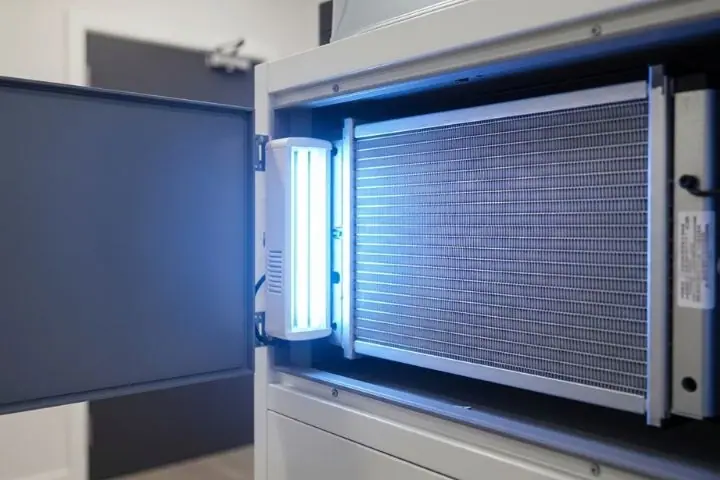
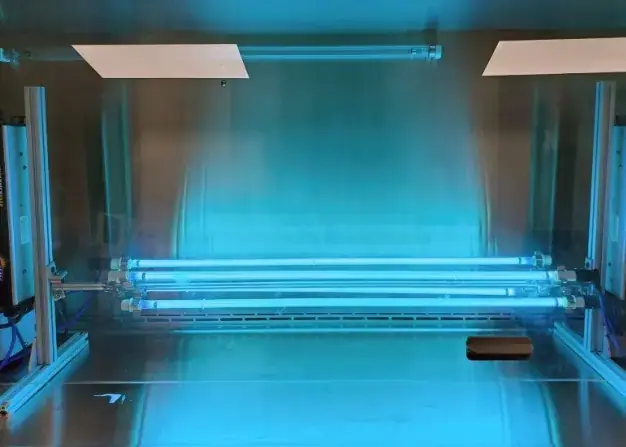
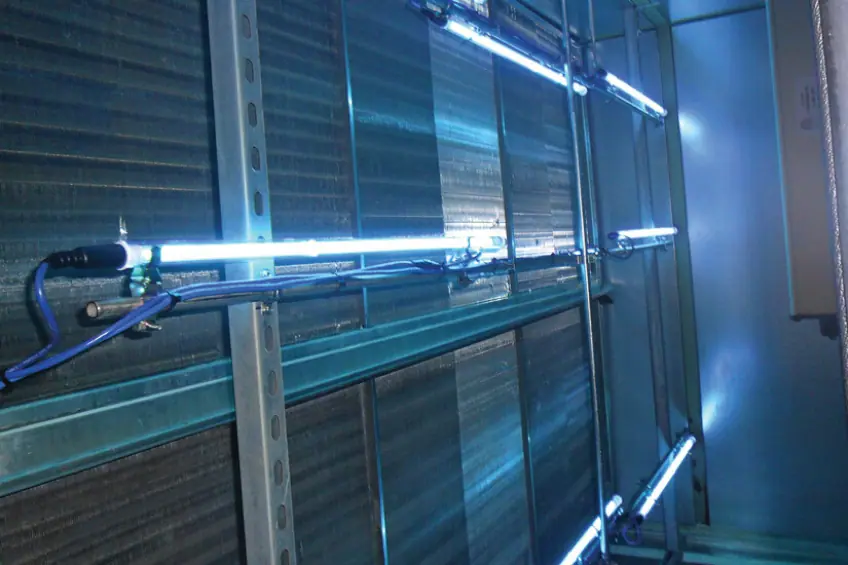
Ultraviolet light, specifically UV-C, is known for its germicidal properties. When installed inside air ducts, UV lamps emit short-wavelength light that disrupts the DNA and RNA of microorganisms. This process, called ultraviolet germicidal irradiation (UVGI), can inactivate bacteria, viruses, and mold spores as air circulates through the HVAC system.
The effectiveness of UV light depends on several factors:
- Intensity and exposure time: Stronger bulbs and longer exposure increase the kill rate.
- Placement: UV lamps are typically installed near the coil or inside the ductwork where microbial growth is most likely.
- Airflow rate: Faster-moving air may reduce the time pathogens are exposed to UV light, potentially lowering effectiveness.
When these factors are optimized, UV systems can significantly reduce the microbial load in HVAC components and the air passing through them.
Can UV Light Kill Bacteria in Air Ducts Effectively?
Scientific studies have shown that UV-C light is highly effective at inactivating a wide range of bacteria, including those commonly found in HVAC systems. Pathogens such as Legionella, Pseudomonas, and Mycobacterium can be rendered harmless with sufficient UV exposure. The Centers for Disease Control and Prevention (CDC) and the American Society of Heating, Refrigerating and Air-Conditioning Engineers (ASHRAE) both recognize UVGI as a viable method for reducing airborne pathogens.
However, it’s important to note that UV light does not physically remove dead bacteria or other particles from the air. Instead, it disrupts their ability to reproduce and cause harm. For comprehensive air purification, UV systems are often used in combination with high-efficiency particulate air (HEPA) filters or electrostatic filters.
For those concerned about mold and moisture, combining UV technology with uv light and duct moisture control can further enhance the cleanliness of your ductwork.
Benefits of Using UV Technology in Ductwork
Integrating UV lamps into your HVAC system can offer several advantages:
- Continuous disinfection: As long as the system is running, UV light provides ongoing microbial control.
- Reduced risk of illness: By inactivating bacteria and viruses, UV systems can help lower the risk of respiratory infections and allergies.
- Improved system efficiency: UV light can prevent biofilm and mold buildup on coils, which helps maintain optimal airflow and energy efficiency.
- Odor control: By targeting odor-causing microbes, UVGI can help keep indoor air fresher.
Families with children or individuals with allergies may notice significant improvements in comfort and health. For more on this, see the article on uv light and children’s indoor air quality benefits.
Limitations and Considerations
While UV light is a powerful tool, it is not a standalone solution for all air quality concerns. Here are some important points to consider:
- Not a filter: UV systems do not capture dust, pollen, or other particulates. Pairing with a quality filter is recommended.
- Maintenance required: UV bulbs lose effectiveness over time and typically need replacement every 12–24 months.
- Installation matters: Proper placement and professional installation are critical for maximum effectiveness and safety.
- Safety precautions: Direct exposure to UV-C light can be harmful to skin and eyes. Systems are designed to operate safely within ductwork, but maintenance should always be performed with the power off.
For those seeking a comprehensive approach, combining UVGI with regular duct cleaning and moisture control can further reduce risks associated with mold and bacteria.
Comparing UV Systems to Other Air Purification Methods
UV light is just one of several options for improving indoor air quality. Other methods include:
- HEPA filtration: Captures particles as small as 0.3 microns, including dust, pollen, and some bacteria.
- Electrostatic precipitators: Use electrical charges to attract and trap airborne particles.
- Activated carbon filters: Remove odors and volatile organic compounds (VOCs).
- Portable air purifiers: Standalone units that can be moved from room to room.
Each method has its strengths and limitations. For a detailed comparison between UV lights and air purifiers, see this guide on UV lights vs. air purifiers.
Ultimately, the best solution often involves a combination of technologies tailored to your specific needs and building layout.
Installation and Maintenance Tips
To maximize the benefits of UV technology in your ductwork, follow these best practices:
- Hire a qualified HVAC professional for installation to ensure correct placement and electrical safety.
- Schedule regular inspections to check bulb intensity and cleanliness.
- Replace UV bulbs as recommended by the manufacturer, typically every 1–2 years.
- Combine with routine filter changes and duct cleaning for optimal results.
Proper maintenance not only ensures ongoing effectiveness but also extends the lifespan of your HVAC system.
Real-World Results and Air Quality Improvements
Many property owners report noticeable differences after installing UV systems. These include fewer odors, reduced allergy symptoms, and less visible mold growth. For a closer look at measurable outcomes, the article on air quality improvements after uv installation provides insights based on real installations.
While results can vary depending on building conditions and system setup, UVGI remains a proven method for enhancing the cleanliness of air ducts and the air you breathe indoors.
Frequently Asked Questions
How long does it take for UV light to kill bacteria in air ducts?
The time required for UV light to inactivate bacteria depends on the intensity of the lamp and the speed of airflow. In most HVAC systems, bacteria passing through the ductwork are exposed to UV-C for a fraction of a second, which is often sufficient to disrupt their DNA and render them harmless. For surfaces within the ductwork, continuous exposure ensures ongoing microbial control.
Is UV light safe for use in residential HVAC systems?
When installed and maintained correctly, UV systems are safe for both residential and commercial use. The lamps are housed within the ductwork, preventing direct exposure to occupants. Always ensure that maintenance is performed with the power off and follow manufacturer safety guidelines.
Do UV lights eliminate mold and allergens as well as bacteria?
UV-C light is effective at inactivating mold spores and many allergens in addition to bacteria. However, it does not remove particulate matter from the air. For complete allergen control, UV systems should be used alongside high-quality filters and regular duct cleaning. For more on reducing mold risk, see the guide on reducing mold risk in ductwork.