Pet owners know that keeping a home smelling fresh can be a challenge. From litter boxes to wet fur, animal odors can linger in the air and settle into fabrics. Many people are searching for effective solutions to maintain indoor air quality and reduce unpleasant smells. One technology that has gained attention is UV light for air purification. But can UV light help with odors from pets, and how does it actually work in a home environment?
This article explores the science behind ultraviolet air purification, its effectiveness against pet-related smells, and practical tips for achieving cleaner, fresher air. We’ll also discuss how UV systems fit into broader strategies for odor control and indoor air quality improvement.
For those interested in the intersection of air duct health and uv technology, understanding how UV solutions interact with HVAC systems is also important. Let’s break down what UV air purification can (and cannot) do for pet odors, and how to maximize its benefits in your home.
How UV Air Purifiers Work Against Pet Odors
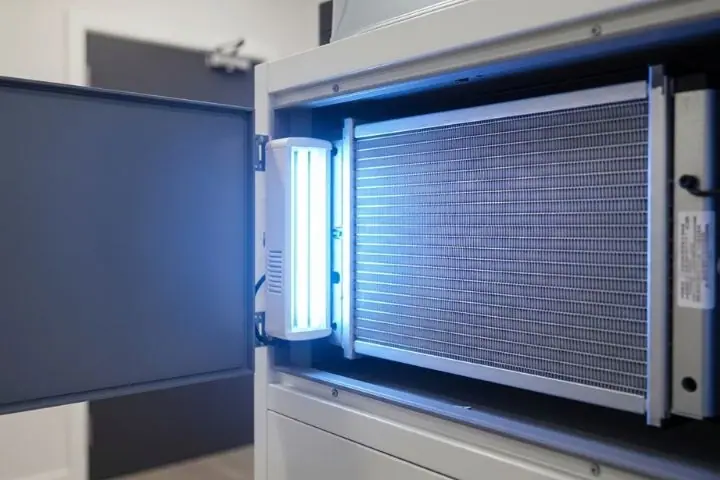
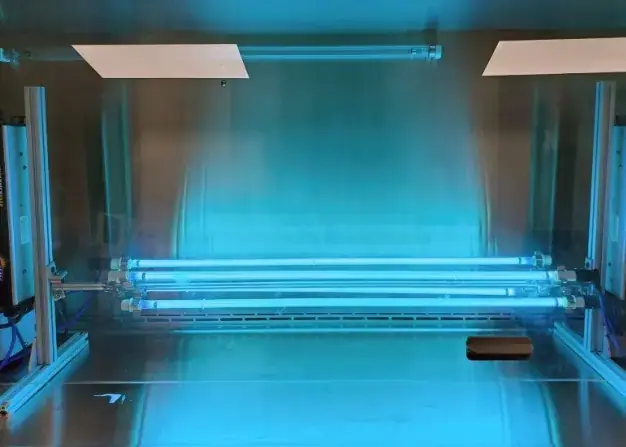
Ultraviolet (UV) air purifiers use short-wavelength light to disrupt the DNA of microorganisms such as bacteria, viruses, and mold spores. When installed in HVAC systems or as standalone units, these devices can help reduce airborne contaminants. But when it comes to pet odors, the mechanism is a bit different.
Most pet smells are caused by volatile organic compounds (VOCs) released from urine, feces, saliva, and dander. While UV light is highly effective at neutralizing living microorganisms, its direct impact on VOCs is limited. However, UV systems can indirectly help by reducing bacteria and mold that may contribute to persistent odors, especially in damp or poorly ventilated areas.
Effectiveness of UV Light for Reducing Animal Smells
So, can UV light help with odors from pets in a practical sense? The answer depends on the source of the smell and the setup of your air purification system:
- Direct Odor Removal: UV light alone does not break down most odor-causing VOCs. For direct removal of pet smells, technologies like activated carbon filtration or photocatalytic oxidation (PCO) are more effective.
- Microbial Control: If odors are caused or worsened by bacteria or mold (such as in litter boxes, damp carpets, or HVAC ducts), UV light can reduce these populations and help minimize secondary smells.
- System Integration: Many modern air purifiers combine UV-C with HEPA and carbon filters. This multi-stage approach is more successful at tackling both particulates and odors.
For more technical details on how UV light improves indoor air quality, see this comprehensive guide to UV light for indoor air quality.
Where UV Systems Fit in a Pet-Friendly Home
While UV air purifiers are not a standalone solution for pet odors, they play a valuable role in a layered approach to air cleaning. Here’s how UV technology can be incorporated into your overall strategy:
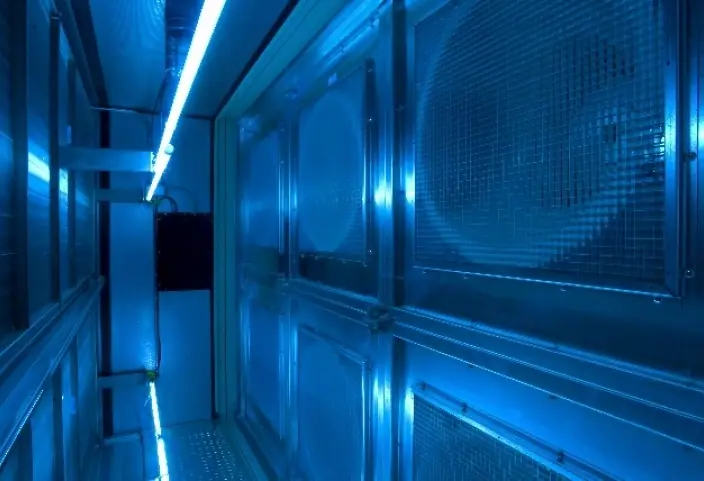
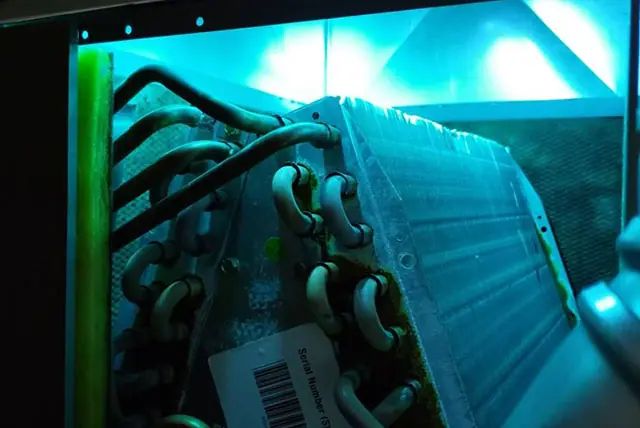
- HVAC Integration: Installing UV lamps in your HVAC system can help control microbial growth in ductwork, which may otherwise contribute to musty or animal-related smells. Learn more about improving hvac cleanliness with uv light for additional benefits.
- Room Air Purifiers: Standalone units with combined UV, HEPA, and carbon filtration can target both allergens and odors in spaces where pets spend the most time.
- Moisture Control: UV systems can help reduce mold risk in areas with high humidity, such as basements or rooms with aquariums. For more on this, see our article on uv light and duct moisture control.
Combining UV Light with Other Odor Control Methods
For the best results in reducing pet-related smells, combine UV air purification with other proven strategies:
- Regular Cleaning: Frequent vacuuming, washing pet bedding, and cleaning litter boxes or cages help remove odor sources before they become airborne.
- Activated Carbon Filters: These filters are excellent at trapping VOCs and gases that cause lingering smells. Many air purifiers offer carbon filtration alongside UV-C.
- Ventilation: Increasing airflow by opening windows or using exhaust fans can dilute and remove odors from indoor spaces.
- Humidity Management: Keeping humidity levels below 50% discourages mold and bacteria growth, which can amplify pet odors.
- Routine HVAC Maintenance: Changing filters and cleaning ducts prevents buildup of dander and bacteria. For tips on minimizing mold, see our guide on reducing mold risk in ductwork.
Safety and Maintenance Considerations
When using UV air purifiers, safety and proper maintenance are key. UV-C light is harmful to skin and eyes, so devices should be installed according to manufacturer instructions, typically within HVAC units or enclosed air purifiers. Regularly replacing bulbs and cleaning the system ensures optimal performance. If you have children or pets, consider units with safety features or professional installation. For more on the benefits for families, see uv light and children’s indoor air quality.
Frequently Asked Questions
Does UV Light Remove All Types of Pet Odors?
UV light is most effective at reducing odors caused by bacteria and mold, but it does not neutralize all VOCs responsible for pet smells. For comprehensive odor removal, use UV in combination with carbon filters and routine cleaning.
Is It Safe to Use UV Air Purifiers Around Pets?
When installed properly, UV air purifiers are safe for use in homes with animals. The UV-C light is contained within the unit or HVAC system and does not pose a risk to pets or humans. Always follow manufacturer guidelines for installation and maintenance.
How Often Should I Replace UV Bulbs in My Air Purifier?
Most UV-C bulbs should be replaced every 12 months, though some models may require more frequent changes. Check your device’s manual for specific recommendations to ensure continued effectiveness.
Conclusion: Achieving Fresher Air in Pet-Friendly Homes
While UV air purification is not a silver bullet for all pet odors, it serves as a valuable tool in a comprehensive indoor air quality plan. By targeting bacteria and mold, UV systems can help reduce some sources of persistent smells, especially when paired with carbon filtration, regular cleaning, and proper ventilation. For pet owners seeking a healthier, fresher home, integrating UV technology with other odor control methods offers the best results.