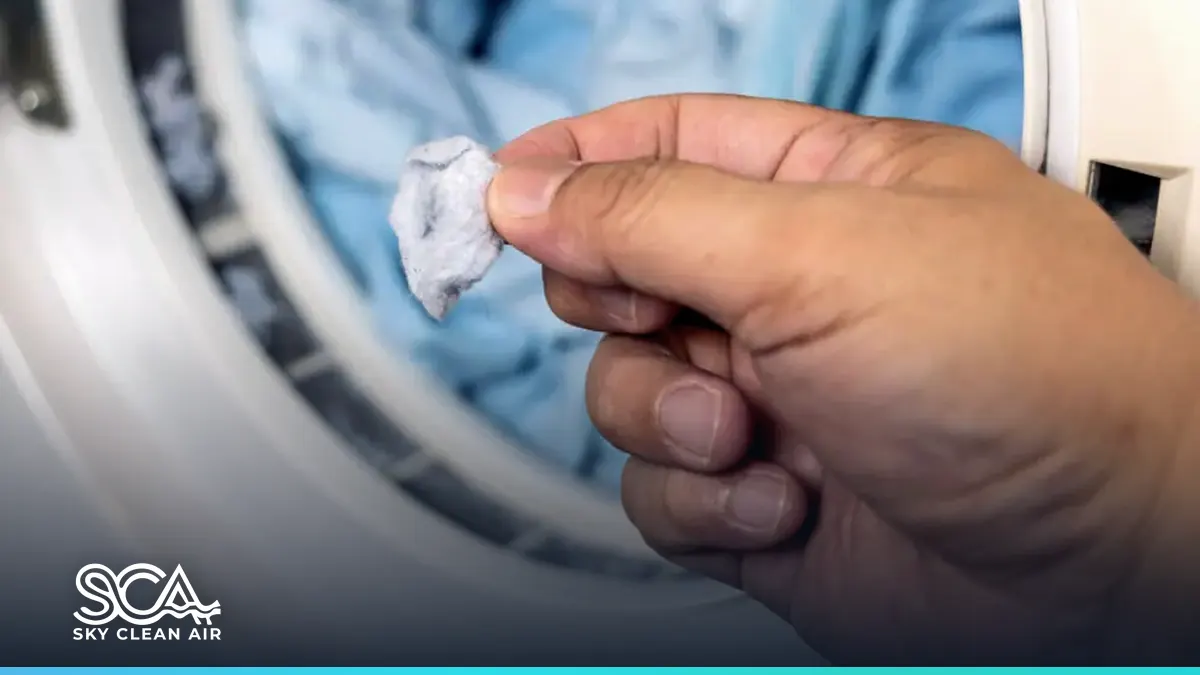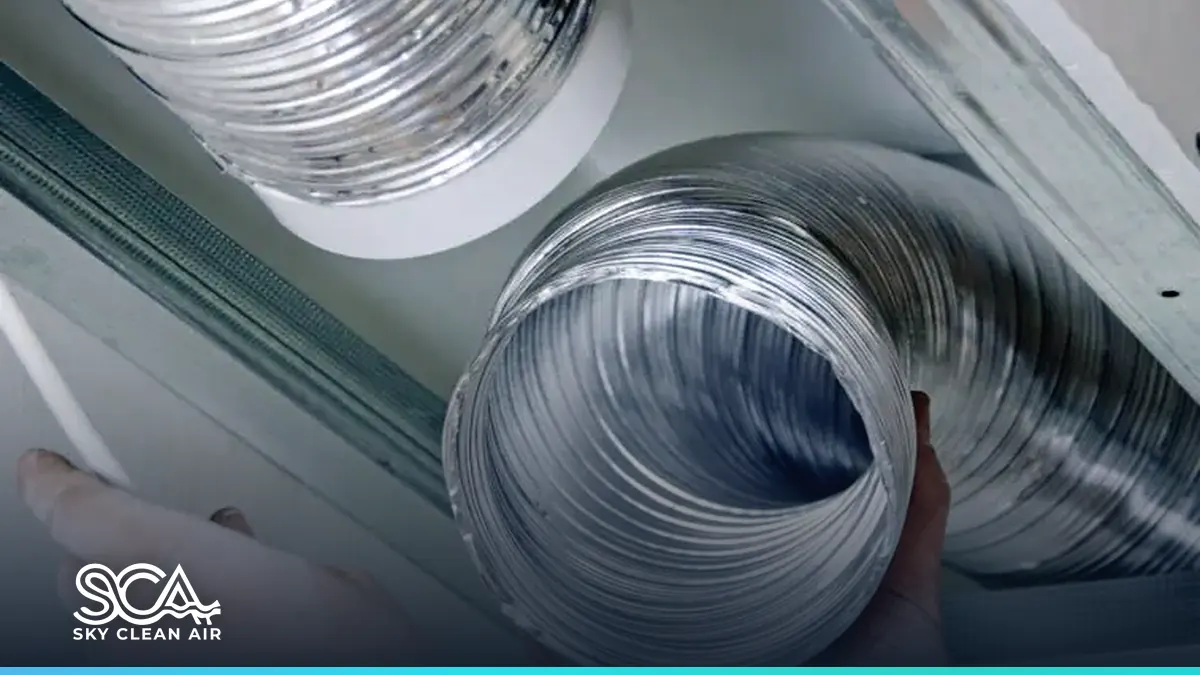
The lint trap in your dryer catches a lot, but not everything. Fine lint passes through and settles along the vent duct that runs from the back of the dryer to the outside of the house. Over months and years, that lint narrows the duct, traps heat and moisture, and turns into fuel sitting right next to a heat source.
Is a clogged dryer vent really a fire risk?
Yes. Lint is light, dry and burns easily. When the vent is partly blocked, hot air can't escape as fast as it should, so temperatures inside the dryer and the duct climb. Most dryers have a high-limit safety switch, but relying on it isn't a plan. Keeping the duct clear removes both the fuel and the heat buildup.
Gas dryers add another concern. A blocked vent can push combustion gases back toward the laundry area instead of outside. If you ever smell gas, leave the house and call the gas utility from outside. If a carbon monoxide alarm sounds, get everyone out and call 911.
How does a dirty vent affect the dryer?
A dryer needs to push hot, wet air out to dry clothes. When the vent is restricted, that air lingers in the drum, and loads take longer. Many people respond by running a second cycle, which uses more energy and puts more hours on the heating element, thermostat, belt and motor.
Common signs of a restricted vent include:
- Towels and jeans still damp after a full cycle.
- The outside of the dryer or the clothes feel unusually hot.
- A burning or musty smell when the dryer runs.
- Lint collecting around the door seal, behind the dryer or at the outside vent hood.
- The outside flap barely opens, or you feel weak airflow at the exterior vent while the dryer runs.
- The laundry room feels humid or warm during drying.
Does dryer vent cleaning help indoor air?
It helps in a practical way. A blocked or disconnected vent leaks moist, linty air into the laundry room, garage or attic. That moisture can lead to condensation and musty odors, and the lint ends up in the house instead of outside. A clean, well-connected vent sends that air where it belongs.
During a cleaning, we also look for crushed transition hoses, loose joints and disconnected sections. In many Southern California homes the dryer vent runs through a wall, up through the attic or out the roof, and a joint that pulled apart in the attic can dump lint and moisture there for years without anyone noticing.
How often should you clean a dryer vent?
Once a year works for most households. Clean it more often if any of these apply:
- You have a large family or do laundry every day.
- You have pets that shed.
- The vent run is long or has several bends.
- The vent exits through the roof, where lint tends to settle.
- Drying times have started creeping up.
Clean the lint screen after every load as well. It's the easiest habit there is, and it reduces how much lint reaches the duct.
What does a professional dryer vent cleaning include?
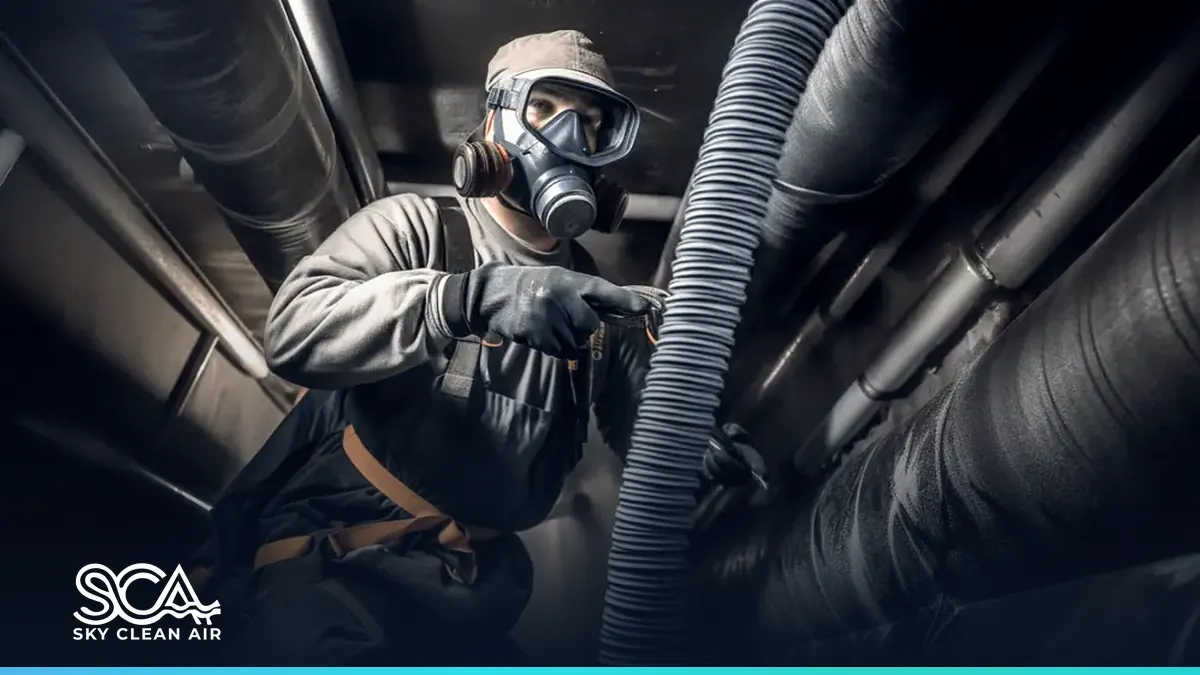
A thorough cleaning goes well beyond the part of the duct you can reach from behind the dryer. Here's what we typically do:
- Pull the dryer out and disconnect the transition hose.
- Run rotary brushes through the full length of the duct while collecting the lint with a vacuum.
- Clean the exterior vent hood and make sure the flap opens and closes freely.
- Inspect the transition hose and replace flimsy foil or vinyl hose with a proper semi-rigid or rigid connector.
- Reconnect, run the dryer and check airflow at the exterior vent.
If the vent run is too long, has too many turns, or was installed with the wrong materials, rerouting or repairing it can make a bigger difference than cleaning alone. You can see the full list on our dryer vent cleaning and repair page.
What can you do between cleanings?
A few simple habits help keep the vent clear:
- Clean the lint screen every load and wash it with warm, soapy water now and then to remove dryer-sheet residue.
- Keep the area behind the dryer clear so the hose isn't crushed when the dryer is pushed back.
- Check the exterior hood a few times a year for lint, nests or a stuck flap.
- Don't run the dryer when nobody is home or while you're asleep.
Those steps don't replace a full cleaning, but they slow down how quickly lint builds up and help you spot problems sooner.