A dusty or "burnt dust" smell is one of the most common things homeowners ask us about, especially on the first cool evening of fall. Most of the time it's harmless. But a dusty smell that sticks around can mean your ducts or filter need attention.
Why does the house smell dusty when I first turn on the heat?
Here in Southern California, furnaces can sit unused for months. During that time, a thin layer of dust settles on the heat exchanger, burners and electric heat strips. When the heat comes on, that dust burns off and you get a warm, dusty smell through the vents.
This is normal and usually fades after a few hours of run time, or within a day. Change the filter before the first cold night and the smell tends to be milder.
A smell that's different from dust is a different story:
- Rotten eggs or sulfur: possible gas leak. Leave the house and call your gas utility from outside.
- Burning plastic or electrical smell: turn the system off and call for service.
- Exhaust or fuel smell, headaches or nausea: possible carbon monoxide. Get everyone out and call 911.
Why does my house smell dusty when the AC is running?
If the dusty smell comes with cooling or lasts beyond the first heating cycle, look at these causes:
- A dirty filter. A loaded filter smells dusty and lets more dust into the system.
- Dust in the ducts. Years of buildup, or debris from a remodel, can give off a dusty odor whenever air moves.
- Leaky ducts. Gaps in attic or garage ducts can pull in dusty, hot attic air and insulation fibers.
- A dusty coil or blower. Dust stuck to the damp evaporator coil can smell musty and dusty at the same time.
- Dusty vents and grilles. Dust collects on the face of registers and gets stirred up with each cycle.
Can dusty ducts really cause a smell?
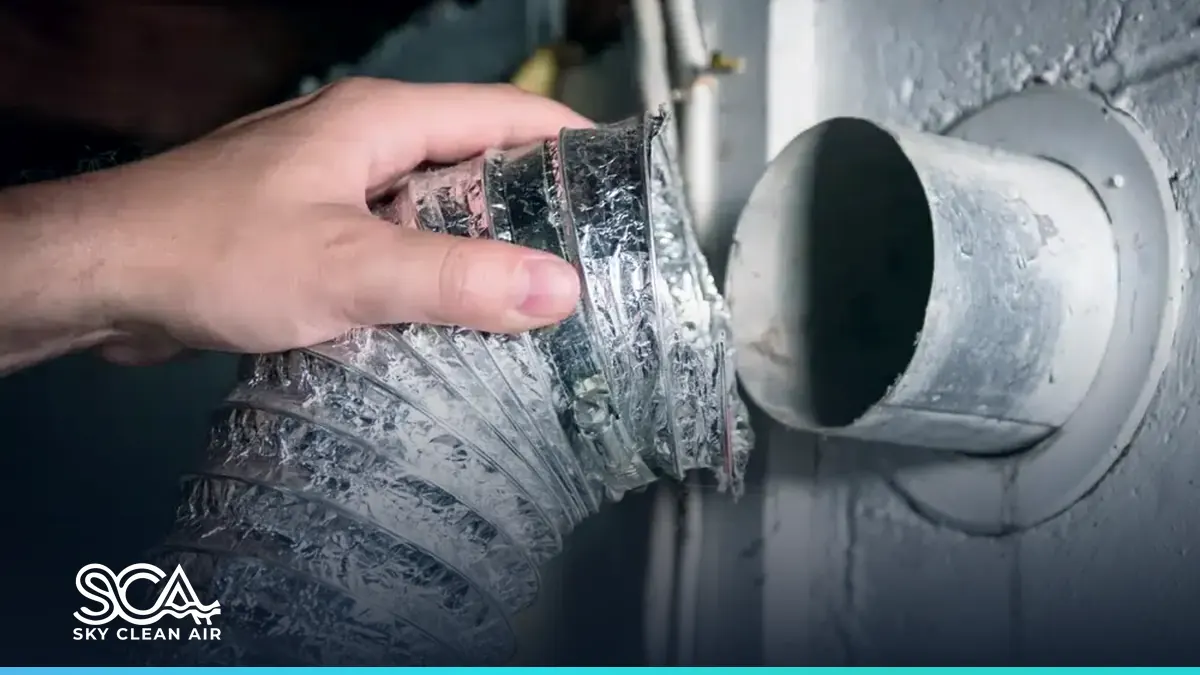
Yes. Ducts in Southern California homes usually run through hot attics, and older flex ducts can sag, tear or come loose at connections. A leak on the return side is the worst kind because it pulls attic air directly into the system. That air carries dust, insulation particles and sometimes rodent debris, which can add an unpleasant odor.
Signs your ducts may be part of the problem:
- Visible dust blowing from vents when the system starts
- Dark streaks around supply registers
- Filters that clog unusually fast
- A smell that's stronger in some rooms
- Recent remodeling, drywall work or attic work
- Signs of rodents in the attic
What can I do about a dusty smell?
Try these steps first:
- Replace the filter and make sure it fits the slot without gaps.
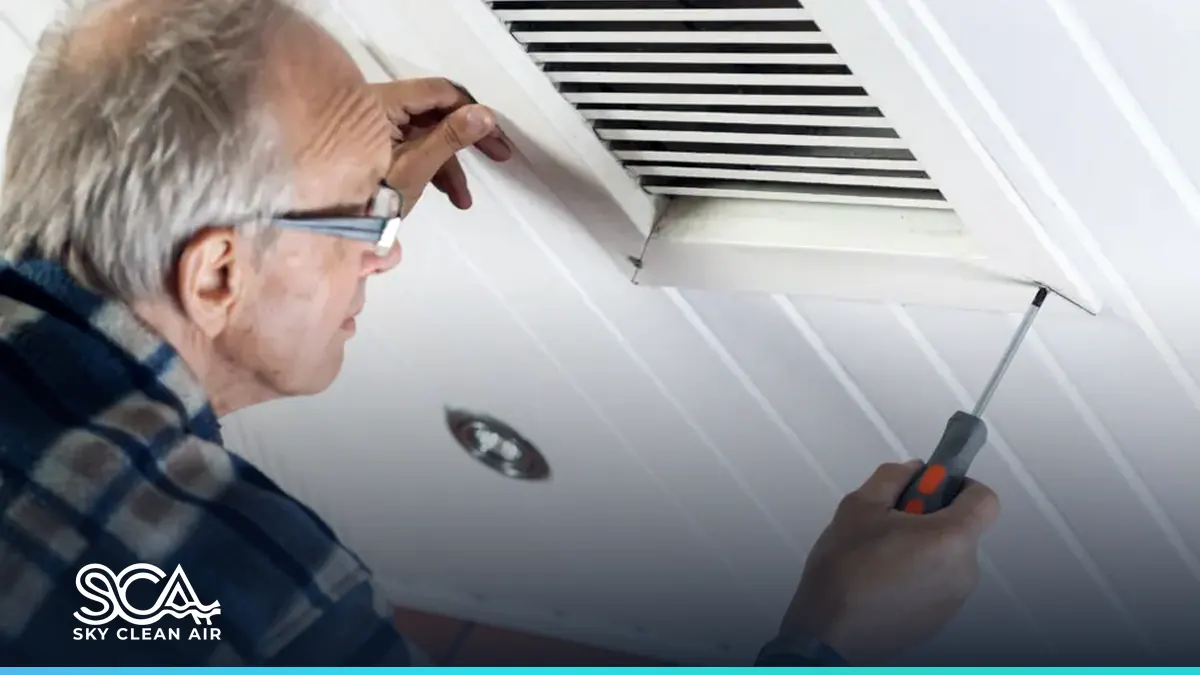
- Vacuum the return grille and supply registers.
- Run the system for a full cycle with windows cracked if the weather allows.
- Check the attic for loose duct connections if you can safely get there.
If the smell keeps coming back after a new filter, the ducts are the next place to look. A duct cleaning removes built-up dust and debris, and sealing fixes the leaks that keep letting new dust in.
Can the attic itself cause a dusty smell?
It can. Air leaks around recessed lights, the attic hatch and ceiling penetrations let attic air drift down into the house, especially when the HVAC fan is running. Older homes with dusty, compressed insulation or past rodent activity are more likely to have this problem. Air sealing the attic floor cuts down on that dusty air.
Is a dusty smell harmful?
The brief burn-off smell at the start of heating season isn't a health concern for most people. Ongoing dust in the air can bother people with allergies or asthma, though. If your home has had rodents in the attic and the ducts have been damaged, the air from those ducts may carry contaminants you don't want to breathe.
Our air duct team inspects, cleans, sanitizes and seals ducts across San Diego County and Orange County. If the smell seems tied to air quality more broadly, our indoor air quality options can help too.