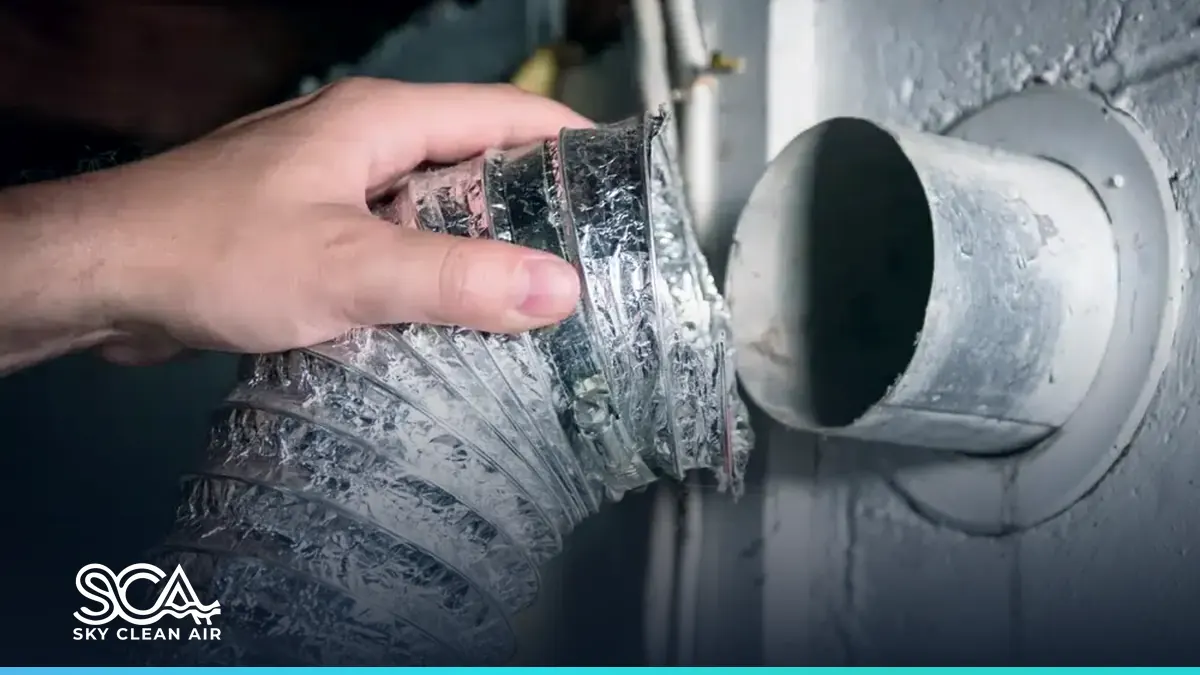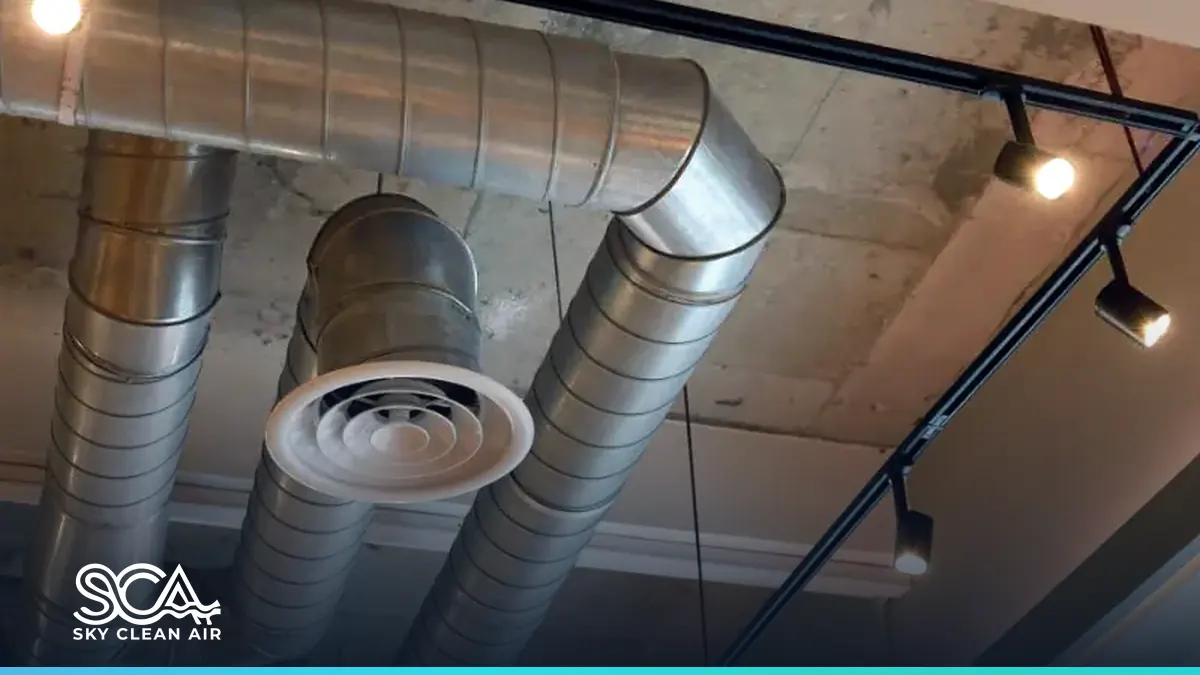
You've probably seen duct sanitizing offered as an add-on, and Oxine is one of the products commonly used for it. Here's what it is, when it makes sense and when you can skip it.
What is Oxine?
Oxine is a stabilized chlorine dioxide product that's registered with the EPA for use as a sanitizer and disinfectant on hard surfaces. Chlorine dioxide works by breaking down the cell walls of bacteria, mold and other microbes, and it's also good at neutralizing odors at their source rather than masking them.
It's used in a lot of settings beyond HVAC, including food processing and water treatment. In duct work, it's applied as a fine mist that reaches the inside surfaces of the ducts.
When is Oxine used in duct cleaning?
Sanitizing makes the most sense in specific situations:
- Musty or sour odors that come from the vents when the system runs
- Signs of microbial growth near the coil, drain pan or in ducts that have been damp
- Water damage from a roof leak, plumbing leak or clogged condensate line
- Rodent or pest contamination in the ducts or attic
- Smoke odors after wildfire smoke, a house fire nearby or years of indoor smoking
- Moving into a home where you don't know the history, especially if previous owners had pets or smoked
Coastal homes with damp air and ducts that sweat in the attic are more prone to musty smells, so sanitizing comes up more often near the beach.
How is Oxine applied?
Done properly, sanitizing follows a clear sequence:
- Inspect the system to find the source of odors or contamination.
- Fix the moisture problem if there is one, like a clogged drain line or leaking duct.
- Clean the ducts first using negative-pressure source removal, so the sanitizer can reach the duct surfaces instead of sitting on top of dust.
- Apply the sanitizer with a fogger or mister through the system, following the product's label directions.
- Let it work for the recommended contact time, then run the system to air things out.
Fogging dirty ducts without cleaning them first doesn't do much. The dust and debris shield the surfaces underneath, and the source of the problem stays in place.
Is Oxine safe for my family and pets?
Chlorine dioxide is a strong chemical, so it should only be applied by trained technicians who follow the product label exactly. You may notice a faint chlorine-like smell right after application that fades quickly. It's reasonable to keep pets and people out of the immediate area during application and to ventilate the home afterward.
If anyone in your home has asthma or chemical sensitivities, mention it before the job so the crew can plan around it.
When can you skip sanitizing?
If your ducts are dry, there's no odor and no history of water damage, pests or smoke, sanitizing usually isn't needed. A thorough cleaning, a good filter and sealed ducts will do most of the work. Be cautious of anyone who insists every home needs sanitizing or mold treatment without showing you evidence.
How long do the results last?
Sanitizing treats what's in the ducts at the time of application. It doesn't create a permanent barrier. If moisture, pests or smoke get back into the system, the problem can return. That's why the fix for the underlying cause matters so much. Sealing torn ducts, clearing the condensate drain, keeping filters fresh and controlling humidity are what keep the ducts clean and odor-free after the visit.
What about the rest of the system?
Sanitizing the ducts won't fix a dirty coil, a slimy drain pan or a damp crawl space. Odors often come from those spots. A good technician will check the coil and drain, clean what needs cleaning, and recommend options like a UV light near the coil if microbial growth keeps coming back.
Our air duct cleaning and sanitizing service includes an inspection first, so we only recommend sanitizing when there's a real reason for it.