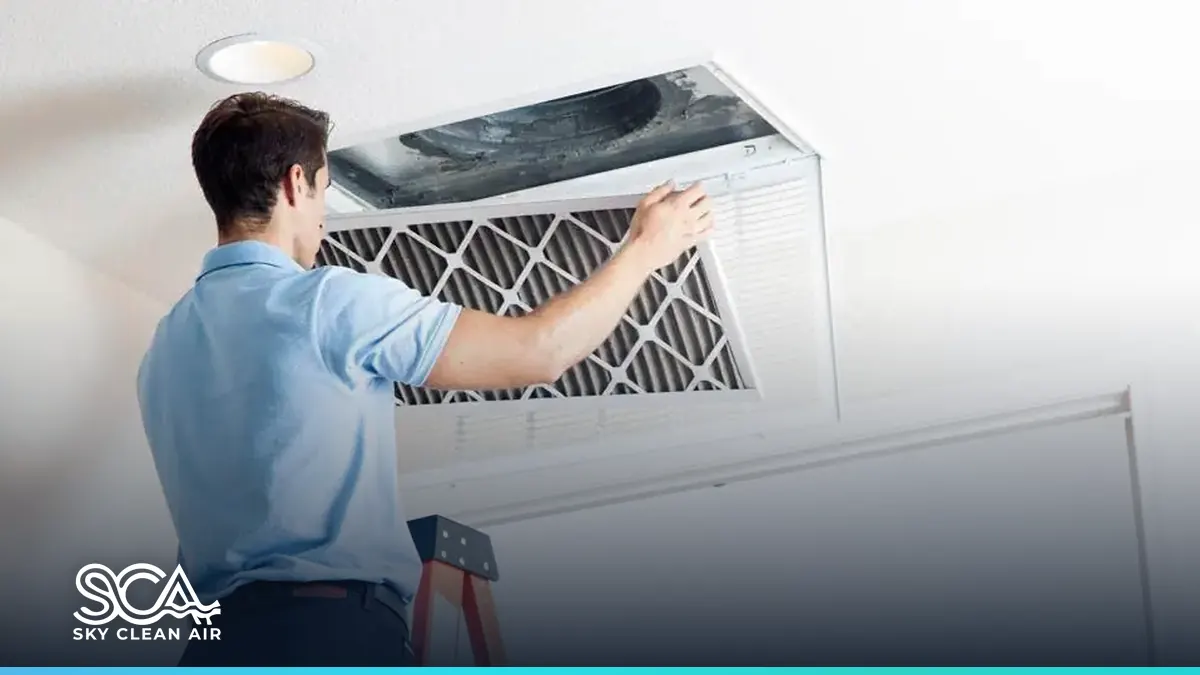
Duct cleaning is one of those services where quality varies a lot from one company to the next. Some crews do a careful, thorough job. Others run a vacuum at a few registers and leave. Since you can't see inside your ducts, it's worth knowing what to ask before you book.
How do you check that a company is legitimate?
Start with the basics before anyone comes to your home:
- License. In California, contractors doing this kind of work should hold a state contractor license. You can look up any license number on the Contractors State License Board website. Sky Clean Air holds California Contractor License #1036543.
- A real local presence. Look for a physical address and a phone number that's answered by people who know the business.
- Reviews with detail. Read reviews that describe the actual work, not just star ratings. Look at how the company responds to complaints.
- Clear communication. They should be willing to explain their process on the phone without pressure.
What should the scope of work include?
A good company tells you up front what they'll clean. Ask for it in writing:
- All supply ducts and registers, and how many there are
- All return ducts and grilles
- The main trunk lines and plenums
- The return box or filter cabinet
- Whether the blower and coil will be cleaned or just inspected
- Any optional services, priced separately
If the quote just says "whole house duct cleaning" with no details, ask what that means.
What equipment and methods should they use?
The industry's best practice is source removal. The crew connects a powerful vacuum to the main duct to put the whole system under negative pressure, then uses agitation tools like brushes, air whips or skipper balls to knock debris loose so the vacuum can pull it out.
Ask a few questions:
- Where will you connect the vacuum?
- What tools do you use on flex duct versus metal duct?
- How will you protect my floors and keep dust out of the house?
- Will you show me photos or video from inside the ducts before and after?
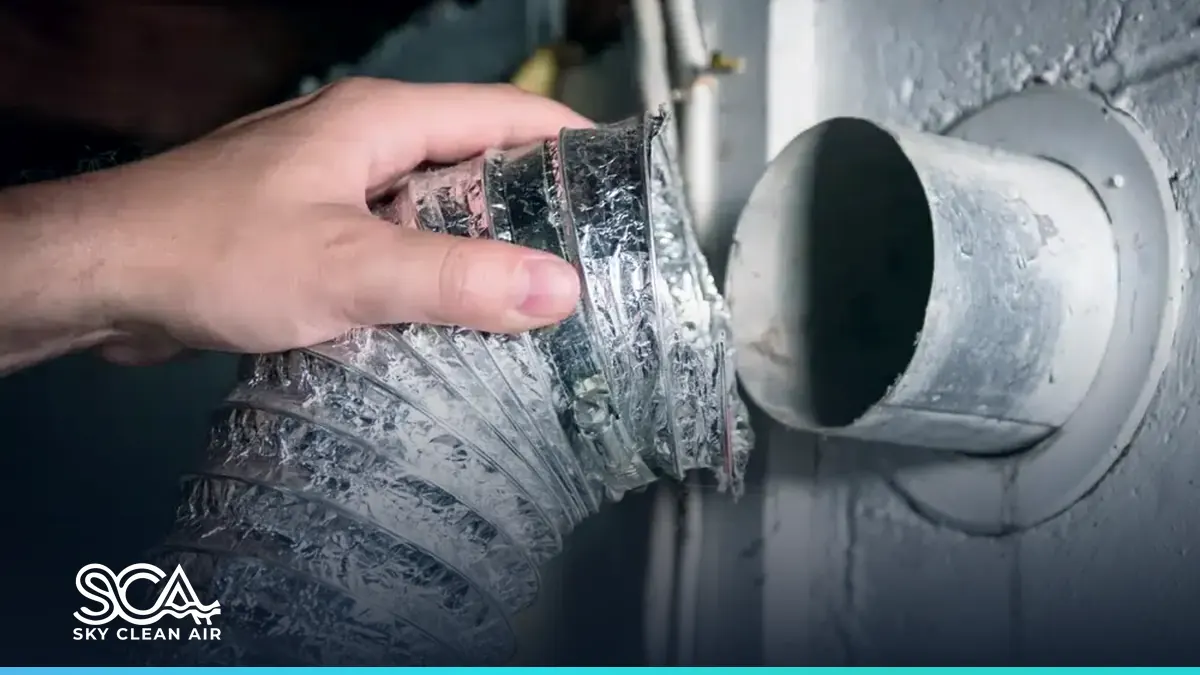
Flex duct in hot Southern California attics can be brittle, so you want a crew that knows how to clean it gently and points out damaged sections instead of making them worse.
What red flags should you watch for?
- Very low whole-house prices. Ads with prices that seem too good to be true often lead to a much higher bill once the crew arrives.
- Scare tactics. Claiming your home has toxic mold without evidence, or insisting you need expensive treatments today.
- Coatings as a fix. Spraying sealants or coatings inside dirty ducts traps debris rather than removing it.
- Very short jobs. A thorough cleaning for a typical home takes several hours, not 45 minutes.
- No photos. If they won't show you the before and after, you have no way to know what was done.
- Pressure to sign immediately. A good company is fine with you thinking it over.
Should the company do more than clean?
It helps when the crew understands the whole HVAC system. While they're inside your ducts, they may find torn or disconnected flex duct, crushed runs, gaps around the furnace, a dirty blower or rodent activity in the attic. A company that can repair those issues, or at least explain them clearly with photos, gives you much more value than a cleaning crew that only vacuums.
Sanitizing should be offered when it makes sense, like after water damage, rodent problems or persistent odors, not pushed on every job. The same goes for UV lights and air purifiers. They can be useful, but they're add-ons, not a requirement.
How do you compare quotes fairly?
Line up two or three quotes and compare the scope, not just the final number. Make sure each one covers the same supply and return lines, the trunks, the return box and the blower. Check what's included in the price versus listed as optional. And pay attention to how each company treats you during the estimate, since that's usually how they'll treat your home.
When you're ready, our air duct cleaning team offers free estimates with a written scope and before and after photos, so you know exactly what you're getting.