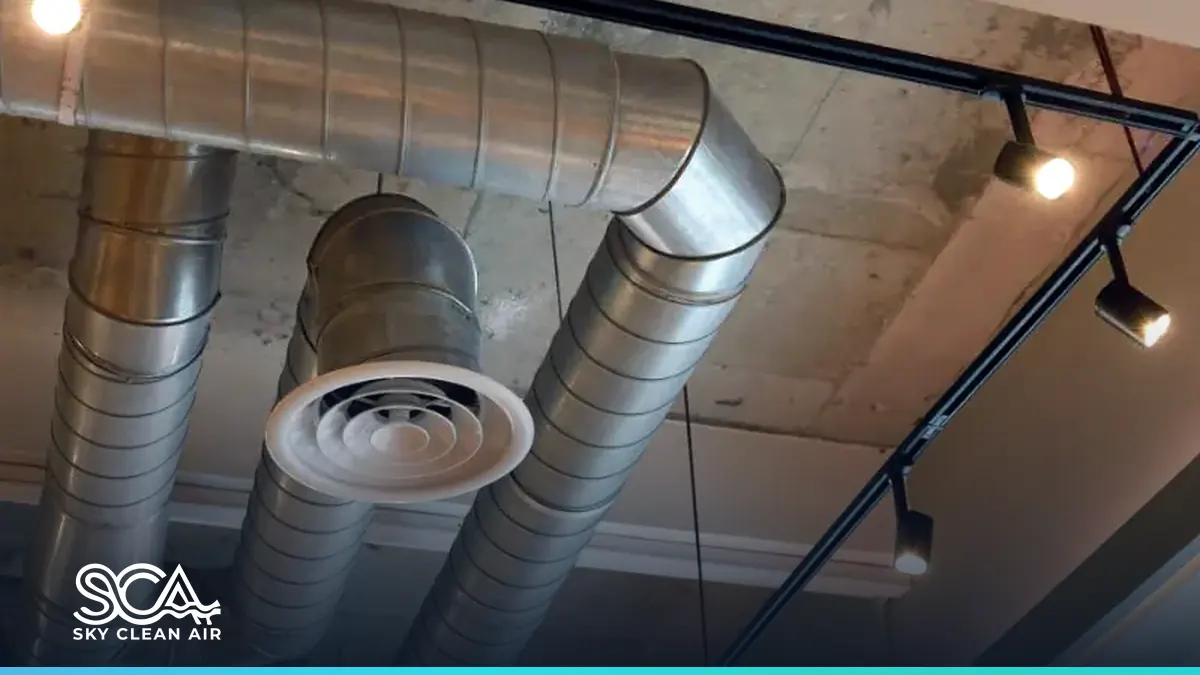
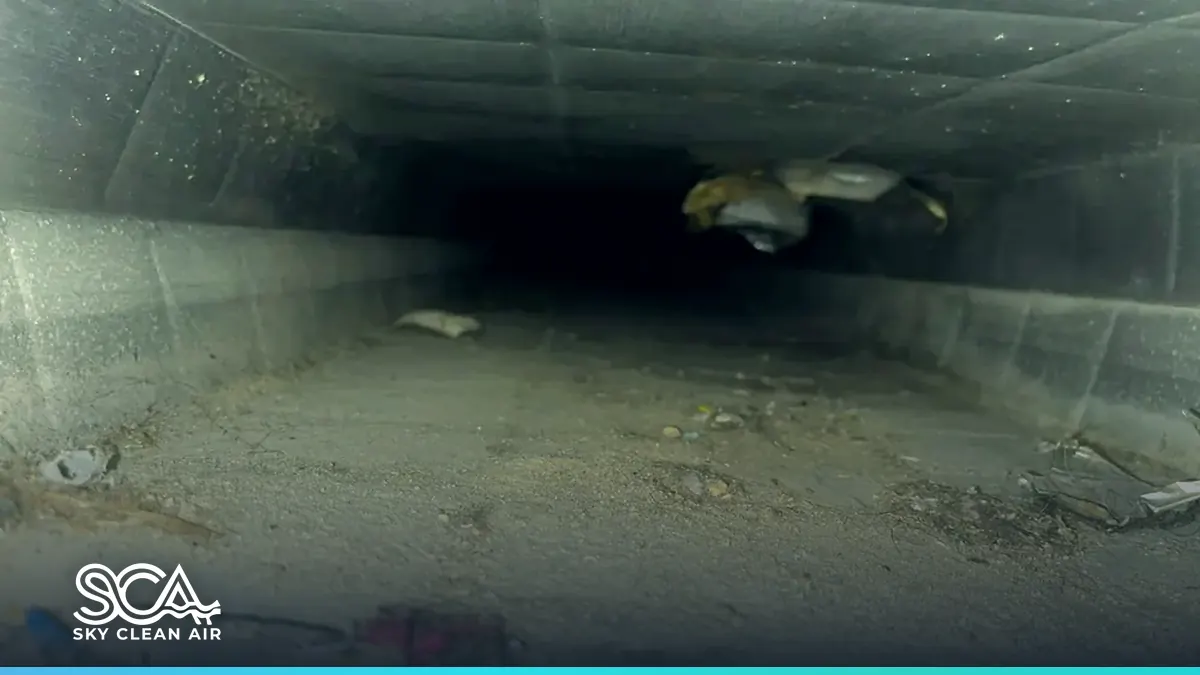
Your ducts move all the air in your home through the system again and again every day. Filters catch a lot, but not everything, and leaks in the ductwork let in dust from the attic or garage. Over years, a surprising amount of material collects inside.
What builds up inside air ducts?
- Household dust. A mix of skin flakes, fabric fibers, soil tracked in from outside and fine particles.
- Pet hair and dander. Even with a good filter, homes with dogs or cats see heavy buildup at return vents.
- Pollen. It comes in through open windows and doors, especially during windy spring days and Santa Ana events.
- Dust mite debris. Mites live in bedding and carpet, and their droppings are a common allergy trigger that can travel through the air.
- Construction dust. Drywall, sanding and plaster dust from remodels can coat the inside of ducts if they weren't sealed off.
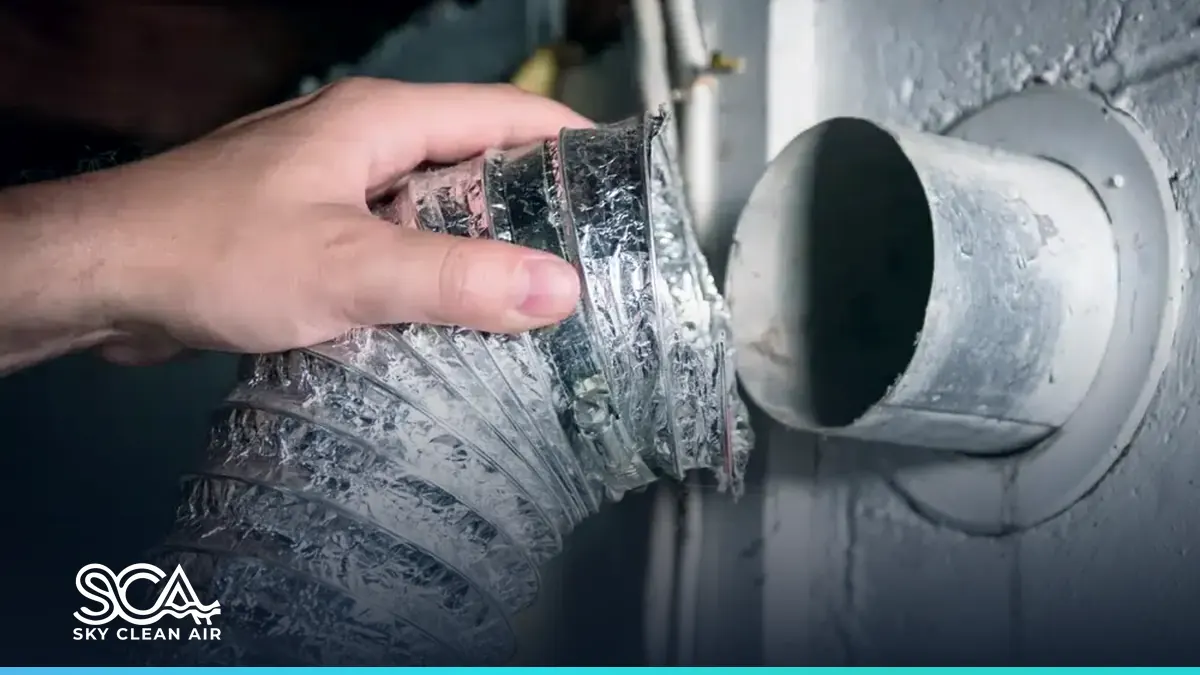
- Insulation fibers. Torn or disconnected ducts in the attic can pull in loose insulation.
- Smoke residue. Wildfire smoke, cooking smoke and tobacco leave fine particles and odors behind.
Can pests live in air ducts?
Yes. Rodents are a real problem in many Southern California attics, and ducts are an easy path. A torn flex duct or an unsealed register boot can let mice or rats inside. Signs include:
- Droppings near registers or in the return area
- Scratching sounds from the ceiling or ducts
- A sharp, sour odor when the system turns on
- Nesting material like shredded insulation or paper
Insects like spiders, cockroaches and silverfish can also get into ducts, and their remains add to the debris. If you suspect rodents, don't run the system until it's inspected, and don't try to clean droppings by sweeping or vacuuming, since that can stir up harmful particles.
Can mold grow in air ducts?
It can, but only where there's moisture. Mold in ducts usually shows up near the indoor coil, around a clogged condensate drain, in ducts that sweat in humid weather or after a water leak. Coastal homes with damp air are more prone to it. A musty smell when the system starts is a common clue.
True mold growth needs the moisture problem fixed first, then cleaning and sometimes sanitizing. Simply spraying a product into the ducts won't solve it.
Does dirty ductwork affect your health?
For many people, normal dust in ducts isn't a big concern. But for people with allergies, asthma or other breathing issues, recirculated dust, dander and pollen can add to symptoms. Rodent contamination and mold are more serious and should be handled by professionals.
The system itself can suffer too. Dust buildup on the blower wheel and coil reduces airflow, makes the system work harder and can shorten its life.
Why do some homes get dirtier ducts than others?
A few conditions make buildup worse. Homes with pets, smokers or several people living there produce more dust. Homes near busy roads, open land or construction sites pull in more outdoor dirt. Ducts in the attic or garage that have leaks pull in dust from those spaces every time the system runs. And filters that are the wrong size, or that leave gaps around the edges, let dirt bypass the filter completely.
How do you know if your ducts are dirty?
- Dust puffs out of registers when the system starts
- Dark streaks or buildup on register covers and the ceiling around them
- Furniture gets dusty again soon after cleaning
- Musty or stale odors when the heat or AC runs
- Allergy symptoms seem worse indoors
- You've had a remodel, rodent activity or water damage
What should you do about dirty ducts?
Start with simple steps: change your filter regularly, use a better filter if your system can handle it, and keep the return grilles clean. If you're seeing the signs above, a professional cleaning removes the buildup at the source using negative-pressure vacuum and agitation tools, and a technician can repair torn or disconnected ducts while they're there.
Our air duct cleaning service includes before and after photos so you can see exactly what came out. If there's rodent contamination in the attic, our attic cleanup team can handle that too.