
Homeowners ask us about brands all the time, and it's a fair question. You're making a big purchase and want something that lasts. But after years of installing and repairing systems across San Diego County and Orange County, we can tell you that a well-installed mid-range system almost always beats a poorly installed premium one.
Why does installation matter more than brand?
Several things decide how a system performs once it's in your home, and almost none of them come from the factory:
- Sizing. A proper load calculation looks at square footage, insulation, windows, sun exposure and ductwork. Oversized systems short-cycle and wear out early. Undersized ones run nonstop.
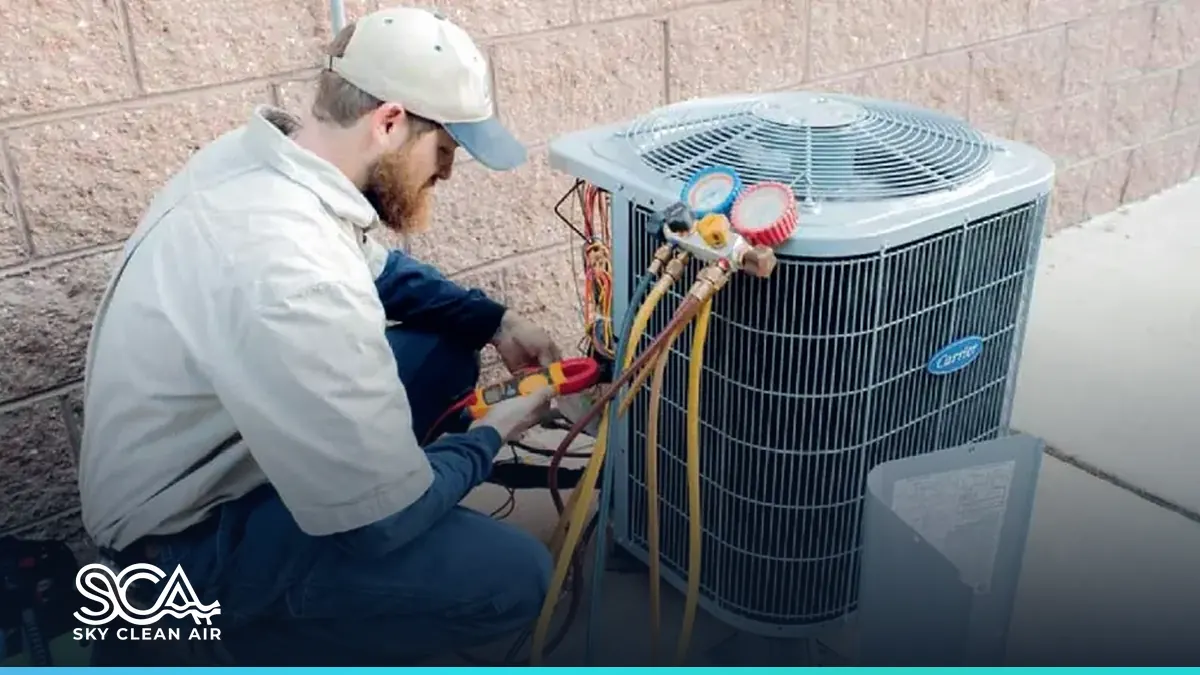
- Refrigerant charge. An AC or heat pump with the wrong charge loses efficiency and stresses the compressor.
- Airflow and ducts. New equipment connected to leaky, crushed or undersized ducts can't deliver what it's rated for.
- Clean workmanship. Sealed connections, proper drain lines, correct electrical work and a level outdoor pad all affect reliability.
What should you compare between brands?
Instead of chasing a name, compare these points on the specific models you're quoted:
- Efficiency ratings. SEER2 for cooling, HSPF2 for heat pump heating and AFUE for gas furnaces. Higher numbers use less energy.
- Type of compressor. Single-stage, two-stage or variable-speed. Variable-speed equipment runs longer at lower output, which is quieter and keeps temperatures more even.
- Warranty terms. Read how long parts are covered, whether registration is required and what labor coverage looks like.
- Parts availability. Ask how quickly common parts can be found locally. A great system isn't much use if a repair takes weeks.
- Noise levels. This matters if the outdoor unit sits near a bedroom or a neighbor's window, which is common on tight lots.
Are premium models worth it?
Sometimes. Top-tier equipment usually adds variable-speed compressors and blowers, smarter controls and quieter operation. Those features pay off most in hotter inland neighborhoods where the AC runs long hours, or in homes with comfort problems like hot upstairs bedrooms.
In a mild coastal home where the AC runs only on warm afternoons, a solid mid-range system is often the better value. The right answer depends on your house and how you use it.
What matters most for Southern California homes?
A few local conditions should shape your choice more than any brand comparison:
- Homes near the coast should look for outdoor units with good corrosion protection on the coil and cabinet.
- Furnaces and air handlers in attics need to fit the space and be serviceable, with room to change filters and reach the controls.
- Heat pumps make a lot of sense here because winters are mild, and they can replace both the AC and the furnace.
- Good filtration options help during wildfire smoke and Santa Ana wind events.
What questions should you ask about a quote?
When you have two or three quotes in hand, ask each contractor the same questions so you can compare fairly:
- Did you do a load calculation, or are you matching the old unit's size?
- What efficiency ratings and compressor type does each option have?
- Are the ducts being inspected, and is any repair or sealing included?
- Who handles warranty registration, and what does labor coverage look like?
- What maintenance does the warranty require?
Clear answers in writing tell you more about the quality of the job than any brand name will.
How should you choose an installer?
Pick the contractor first, then the equipment. Look for a company that does a load calculation instead of just matching the old unit's size, explains options in writing, checks your ducts and stands behind the installation. Sky Clean Air holds California Contractor License #1036543, and you can look up any contractor's license on the state board's website before you sign.
If you're getting ready for a new system, our HVAC installation team will size it properly, walk you through a few equipment options at different levels and give you a free estimate.