Duct cleaning sounds simple, but the method makes a huge difference. Two crews can both say they "cleaned your ducts" and leave behind very different results. Here's how the main methods compare and what a thorough job looks like.
How does negative-pressure source removal work?
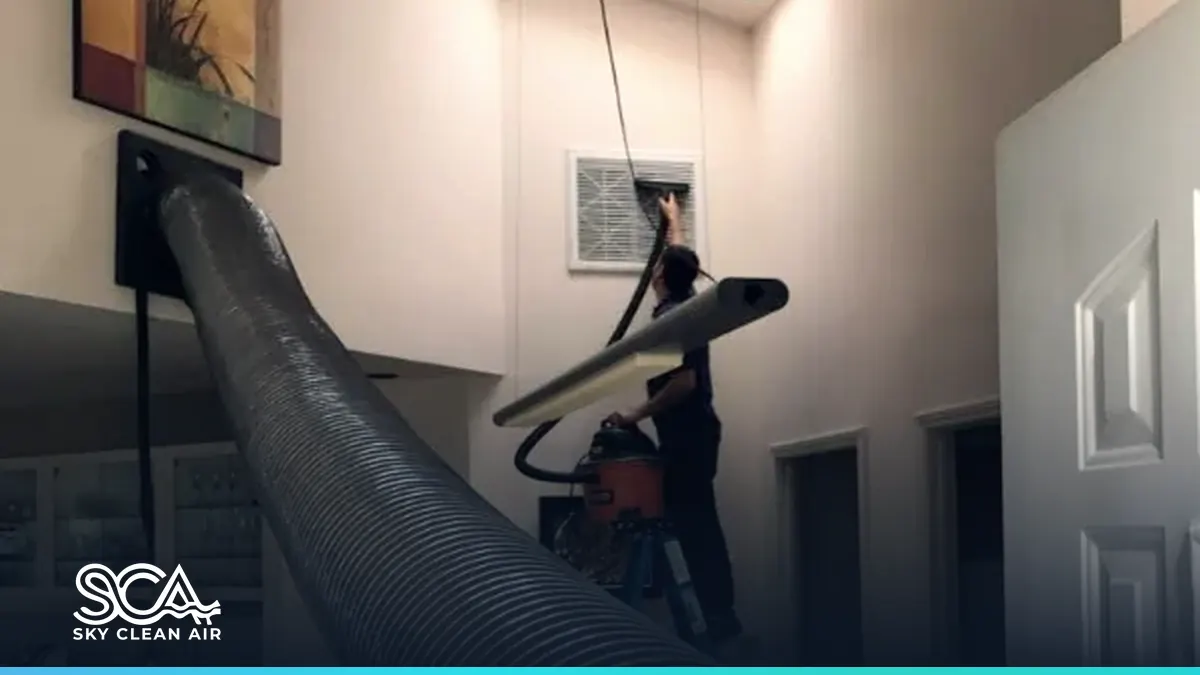
The technician connects a high-powered vacuum to the main trunk line, close to the furnace or air handler. With the system sealed and the vacuum running, air is pulled through every duct toward the collection point. That's negative pressure.
While the vacuum runs, the crew works through each supply and return line with agitation tools. The tools break dust, lint and debris loose from the walls, and the airflow carries it away. Each register is opened and cleaned in turn, then the main trunks, plenums and return box.
What tools are used to agitate the ducts?
Different duct types need different tools, and a good crew carries more than one.
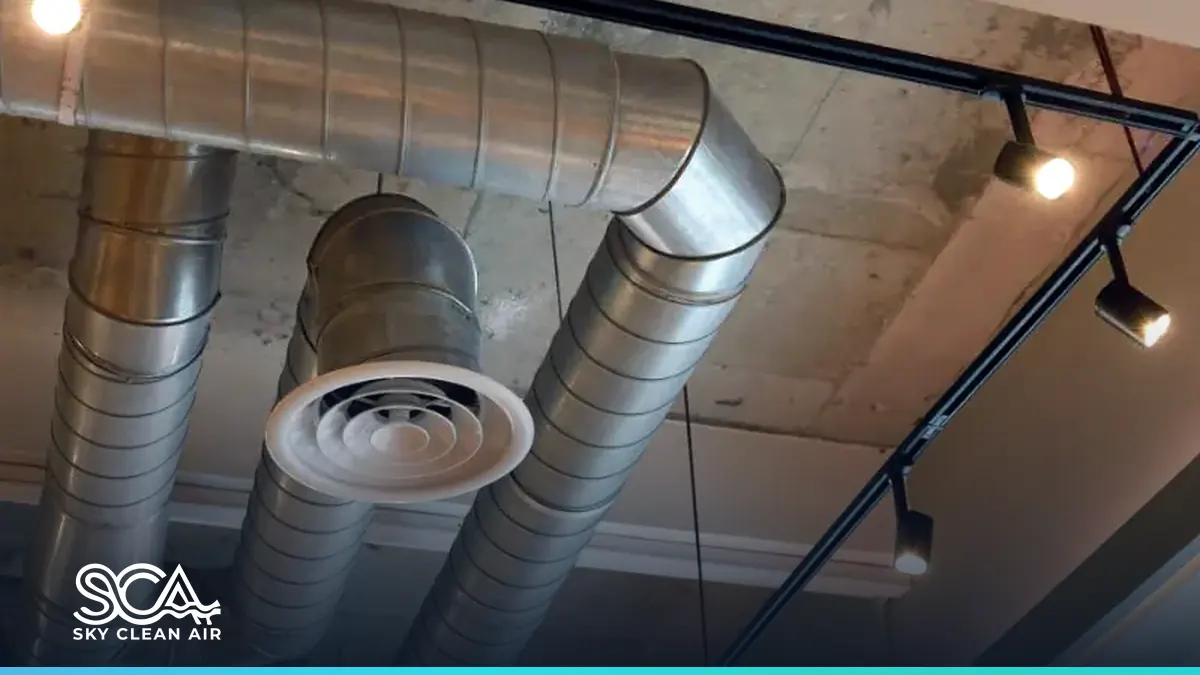
- Rotating brushes work well on rigid metal ducts and trunk lines, scrubbing caked-on dust.
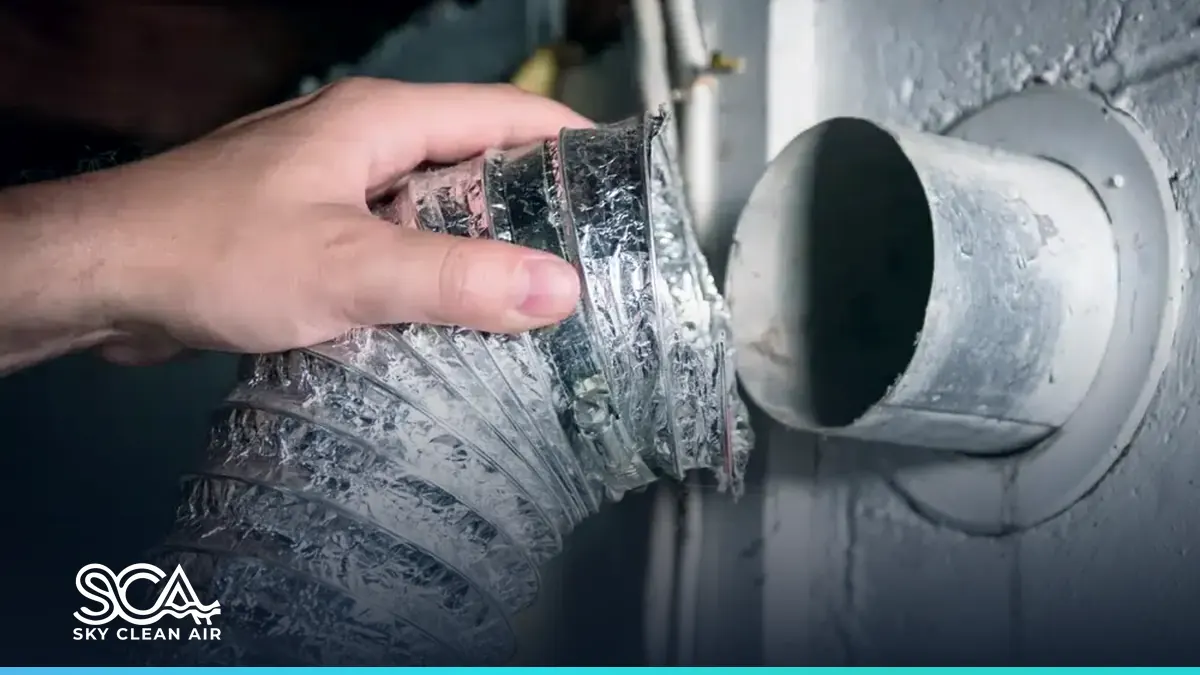
- Air whips use compressed air through flexible tails that snap against the duct walls. They're gentler, which matters for flex duct.
- Skipper balls are air-driven heads that bounce through long runs to push debris toward the vacuum.
- Hand tools and vacuums handle register boots, grilles and the return box up close.
Most homes in San Diego and Orange County have flex duct running through the attic. Flex duct is soft and can tear, so aggressive brushes are the wrong tool. Air whips and careful technique protect it.
Is truck-mounted or portable equipment better?
Both can do a good job when used correctly. Truck-mounted units generate a lot of suction and keep the dust outside in a sealed collector. Portable units with HEPA filtration can be placed right next to the system, which helps with attic furnaces and homes where the driveway is far from the equipment.
What matters more is that the vacuum is strong enough for the size of the system, connected to the trunk rather than just a register, and that the crew agitates every line.
What methods should you avoid?
- Register-only vacuuming. A shop vac at each grille only reaches the first foot or two of duct.
- Cleaning without agitation. Suction alone won't pull off dust that's stuck to the duct walls.
- Spraying sealants or coatings as a fix. Coating dirty ducts traps the dirt inside. Sealants only belong in specific repair situations, after cleaning.
- Skipping the blower and coil. If the fan and coil are dirty, they'll put dust right back into the clean ducts.
Where does sanitizing fit in?
Sanitizing comes after cleaning, never instead of it. A sanitizer fogged into dirty ducts can't reach the surfaces under the dust. Once the ducts are clean, a sanitizer can help with odors and microbial growth after water damage, rodent activity or a musty smell. It's an optional step, not something every home needs.
How long does a proper cleaning take?
For a typical single-system home, a thorough source-removal cleaning takes several hours. Two-system homes, long attic runs and heavily soiled ducts take longer. If a crew promises to clean a whole house in under an hour, they're almost certainly skipping the agitation step or only vacuuming the registers.
The crew should also protect your floors, cover registers in rooms they've finished so dust doesn't drift back, and leave the work area as clean as they found it. Ask what the visit includes before the day of service so there are no surprises.
How do you know the job was done right?
Ask for before and after photos or video from inside the ducts. You should see a clear difference in the main trunks and several branch lines, not just the register covers. The crew should also replace or recommend a new filter, check that the filter slot and return box are sealed, and point out any torn, crushed or disconnected ducts they found.
That's the approach we use for our air duct cleaning service. If you have questions about your own system, you can reach out and we'll walk you through what we'd recommend.