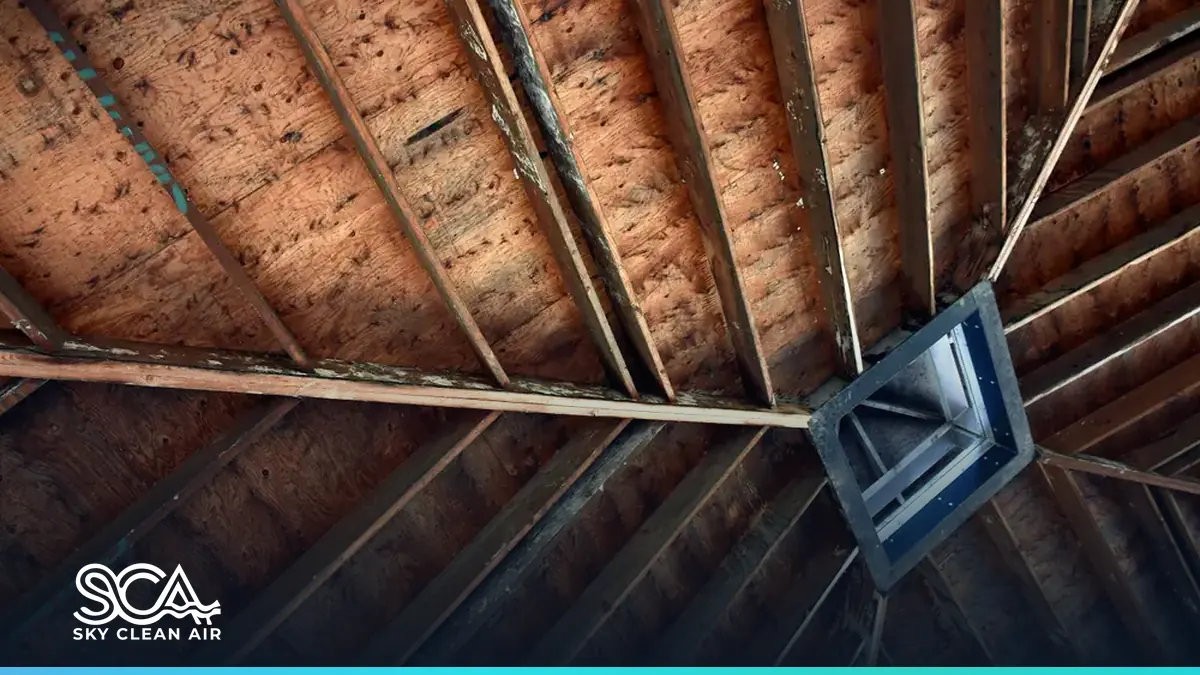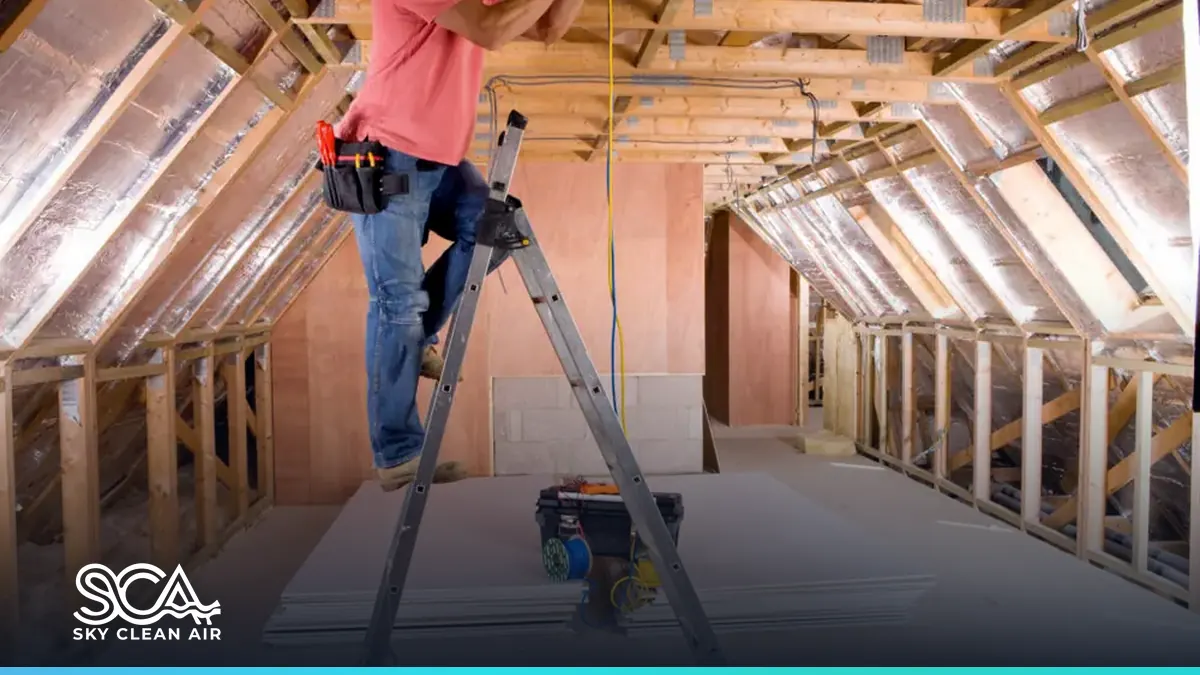
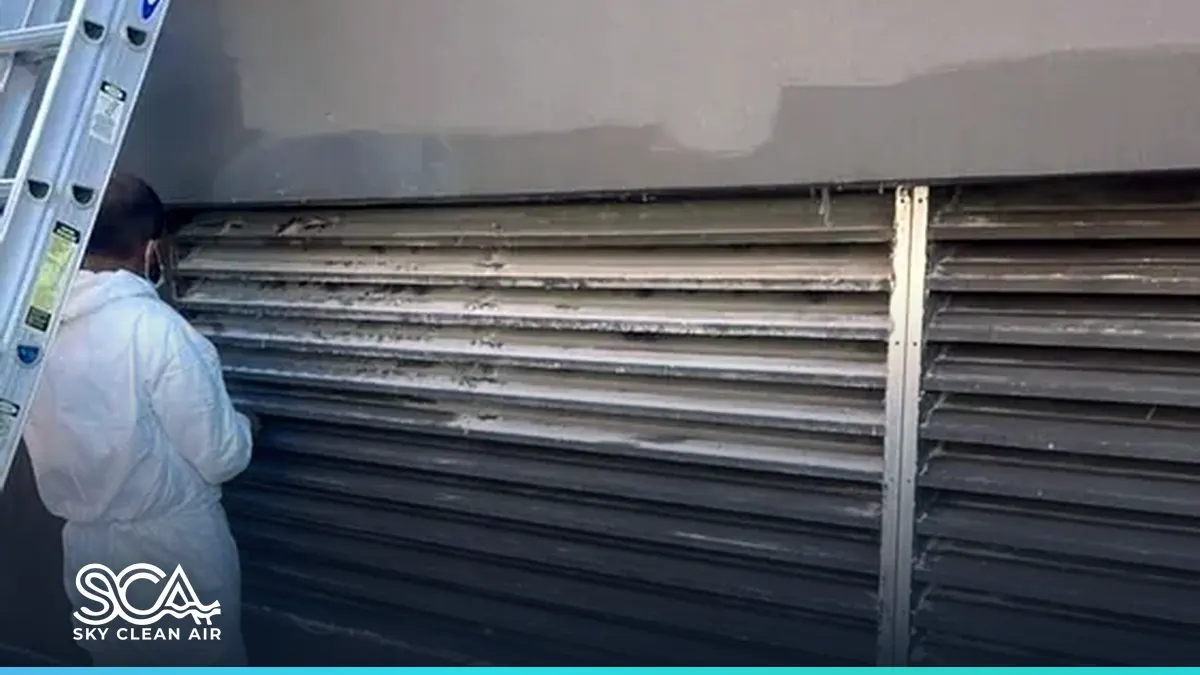
Many older homes in San Diego and Orange County sit on raised foundations with a crawl space underneath. It's a space few people ever see, but it often holds plumbing, wiring and sometimes ductwork. When rodents, moisture or debris build up there, you can end up smelling and breathing it.
What does crawl space cleaning involve?
A typical crawl space cleaning includes:
- Inspection. Look for rodent activity, moisture, damaged insulation, plumbing leaks and duct damage.
- Debris removal. Clear construction leftovers, trash, old materials and anything that attracts pests.
- Rodent waste removal. Remove droppings, nests and dead animals carefully to avoid spreading particles.
- Insulation removal. Take out wet, fallen or contaminated insulation from under the floor.
- Sanitizing and deodorizing. Treat surfaces to reduce contamination and odors.
- Sealing entry points. Close gaps, repair damaged vent screens and seal openings where pests get in.
- Moisture fixes. Install or replace the vapor barrier on the ground and address sources of water.
- New insulation. Install fresh insulation under the floor where appropriate.
Why does the crawl space affect your indoor air?
Air moves upward through a house. Gaps around pipes, wires, floor registers and ducts let crawl space air rise into the living space. If that air carries musty odors, mold spores or rodent contamination, you'll notice it inside. Ducts in the crawl space that are torn or leaky can pull that air directly into your HVAC system and spread it through every room.
What are the signs your crawl space needs cleaning?
- A musty or ammonia smell in the house, especially near floor registers
- Scratching or movement sounds under the floor
- Droppings or nests near crawl space access openings
- Insulation hanging down or lying on the ground
- Damp soil, standing water or a torn vapor barrier
- Cold floors in winter
- Higher indoor humidity than you'd expect
What causes moisture in a crawl space?
Even in our dry climate, crawl spaces can get damp. Common causes include:
- Plumbing leaks under the house
- Sprinklers and downspouts that send water toward the foundation
- Poor drainage after winter storms
- Bare soil without a vapor barrier
- Damp coastal air in homes near the ocean
- AC condensate lines draining into the crawl space
Walk around the house after a heavy rain and look at where water goes. Puddles against the foundation or soggy soil near crawl space vents are a sign that drainage needs attention.
Moisture under the house invites mold, attracts pests and can damage wood framing over time. Cleaning without fixing the water source usually means the problem comes back.
How is crawl space cleaning different from attic cleaning?
The goals are similar: remove contamination, seal out pests and restore insulation. The conditions are different. Crawl spaces deal more with ground moisture, plumbing leaks and drainage, so vapor barriers and water sources get more attention. Access is also tighter, often through a small hatch in a closet floor or an opening in the foundation wall. Many homes with raised foundations need both spaces checked, since rodents often travel between them through wall cavities.
Is crawl space cleaning a DIY job?
Crawl spaces are cramped, dark and often contaminated. Working in them means lying on the ground, handling rodent waste and moving around plumbing and wiring. Disturbing droppings without proper protection can be a health risk. For anything beyond a quick look with a flashlight, a professional crew with protective gear and the right equipment is the safer option.
How do you keep a crawl space clean?
- Keep vents screened and entry points sealed.
- Direct sprinklers and downspouts away from the foundation.
- Fix plumbing leaks quickly.
- Keep the vapor barrier intact and covering the soil.
- Have the space checked every so often, especially after heavy rain or signs of pests.
Our team handles crawl space cleaning along with attic work. Learn more on our attic and crawl space services page, or request a free estimate.