Most people only go into the attic to grab holiday boxes. But in a lot of Southern California homes, the attic holds the furnace, the ductwork and the insulation that keeps the house comfortable. A quick look twice a year can catch small problems before they turn into big ones.
When should I inspect my attic?
Spring and fall work best. In spring, you're checking for anything winter rain left behind and getting ready for summer heat. In fall, you're checking that the attic made it through the hot months and getting ready for rain and cooler nights.
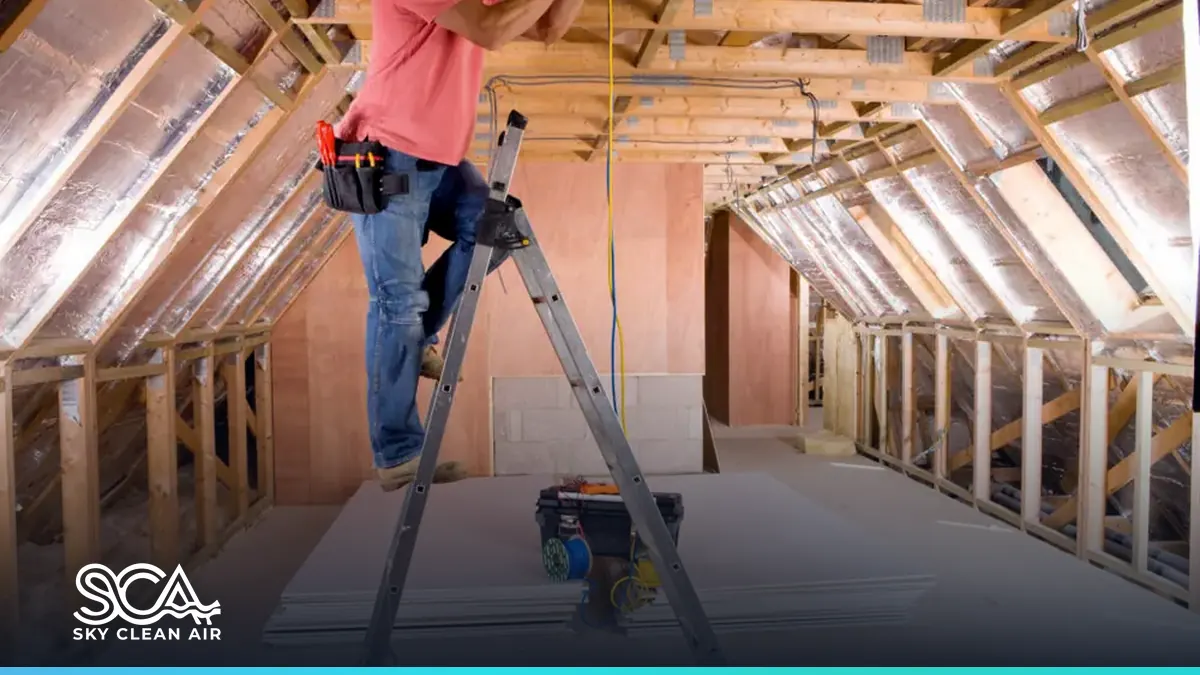
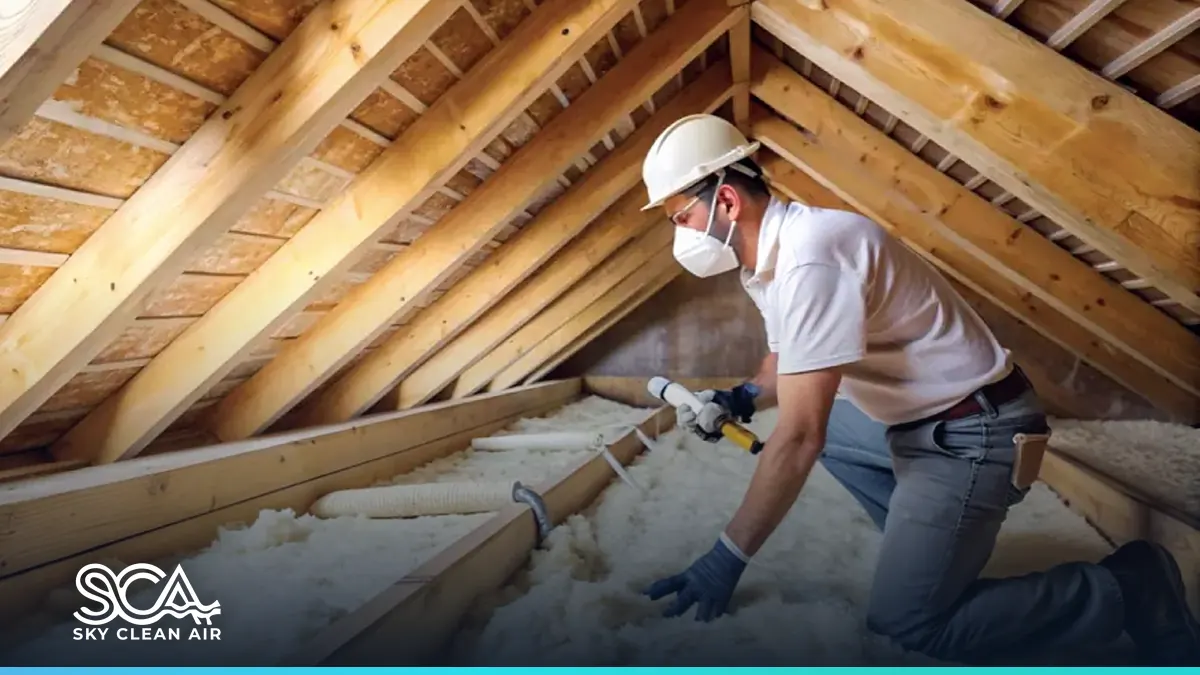
Pick a cool morning. Attics in inland areas can get dangerously hot by midday in summer. Wear a dust mask, gloves and long sleeves, and only step on joists or boards that are meant to be walked on. A foot through the drywall is an expensive way to end the inspection.
What should be on the checklist?
Bring a good flashlight and go through these one at a time:
- Insulation. Is it evenly spread, or are there thin spots, bare patches and areas packed down by foot traffic or storage? Can you see the tops of the ceiling joists? If so, it's probably thin.
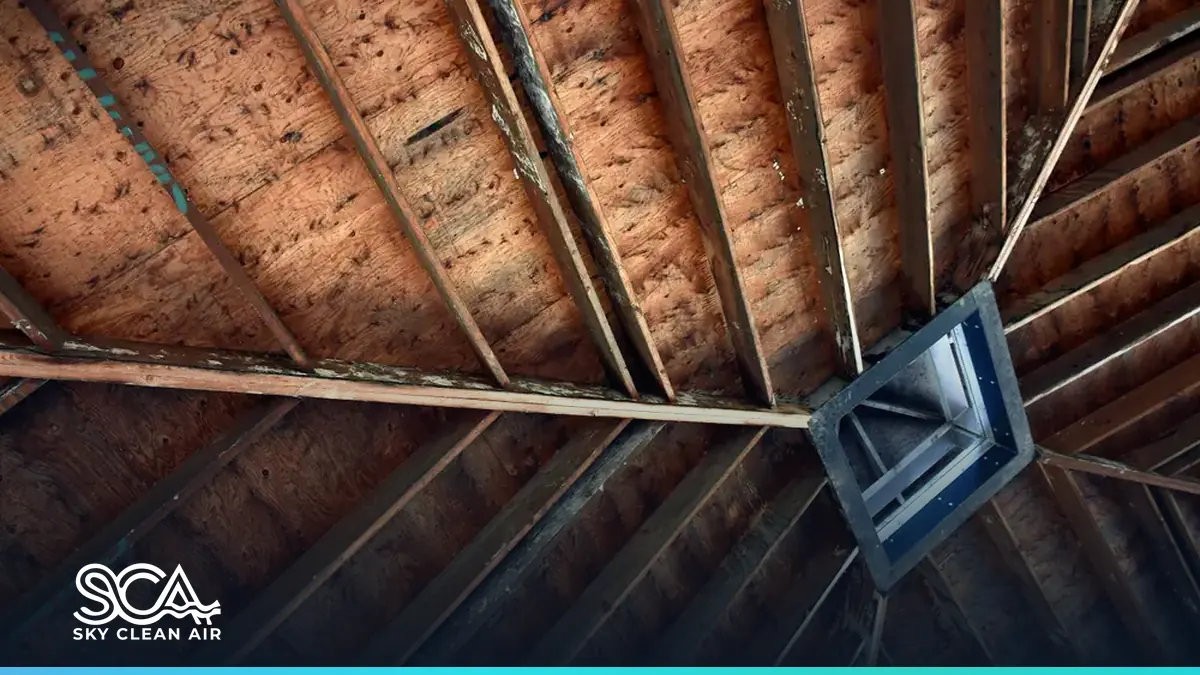
- Moisture and leaks. Look at the underside of the roof deck and around vents, chimneys and skylights. Water stains, dark rings or damp insulation point to a leak.
- Mold. Check for dark spotting on the roof sheathing and rafters, along with musty smells.
- Ventilation. Make sure soffit and gable vents aren't blocked by insulation, boxes or debris, and that screens are intact.
- Pests. Look for droppings, gnawed wood or wires, nests, and tunnels or trails through the insulation.
- Ductwork. Check for torn, crushed, sagging or disconnected ducts, especially flex duct. A disconnected duct dumps conditioned air straight into the attic.
- Exhaust vents. Bathroom fans and dryer vents should run all the way outside, not end in the attic.
- Furnace area. If your furnace is in the attic, look for rust, water around the unit, and a clear path to reach it.
- Wiring. Note any chewed, loose or exposed wiring. Don't touch it. That's a job for an electrician.
What problems are most common in Southern California attics?
Rodents are near the top of the list. Roof rats and mice get in through gaps at roof lines, vents and pipe openings, then tunnel through insulation and chew on ducts. Homes near canyons and with fruit trees see this a lot.
Heat is the other big one. Attics in inland neighborhoods get very hot in summer, which bakes ducts and pushes heat down into the rooms below when insulation is thin. Near the coast, moist air and poor ventilation can lead to condensation and musty smells. Older stucco tract homes often have original insulation that has settled over the decades.
What should I do if I find a problem?
Some fixes are easy, like moving stored boxes off vents or fluffing a small area of insulation. Others need a pro:
- Droppings or nesting material should not be swept or vacuumed dry. The dust can carry disease.
- Large areas of mold or wet insulation usually need removal, not a quick cleanup.
- Damaged or disconnected ductwork should be repaired and sealed.
- Roof leaks need a roofer, and the wet insulation should be replaced after.
Our attic cleaning and insulation team handles contaminated insulation removal, rodent cleanup, sanitizing, air sealing and new insulation. If ducts are damaged, we can repair or replace them at the same visit.
Is it worth having a professional inspect the attic?
If you're not comfortable moving around up there, or if you see signs of pests, mold or moisture, a professional inspection is a good idea. A trained eye will spot things like air leaks around ceiling fixtures, duct leaks and hidden entry points that are easy to miss. It also gives you photos so you can see exactly what's going on before deciding on any work.