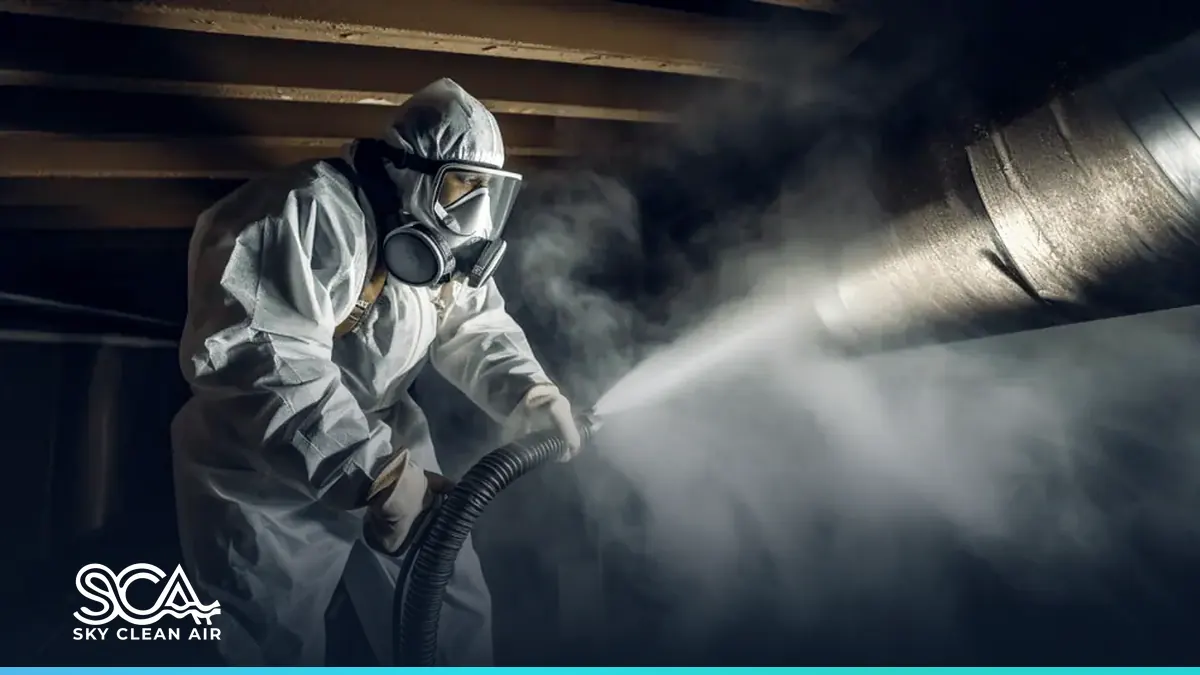
What is duct fogging?
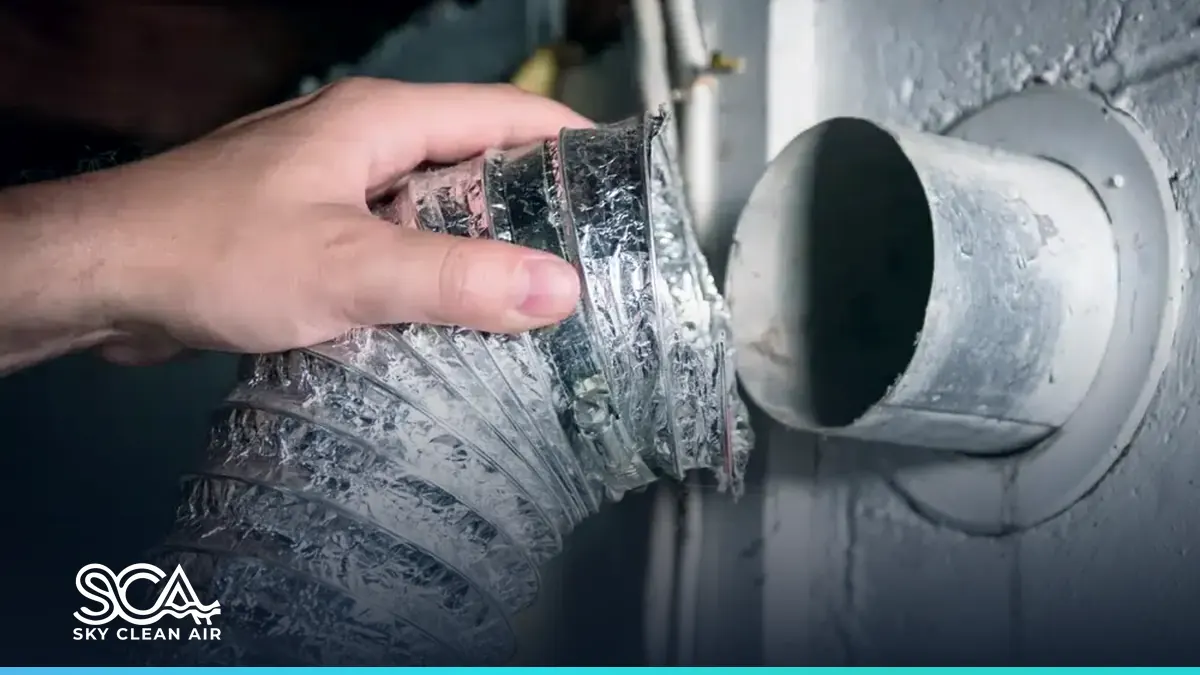
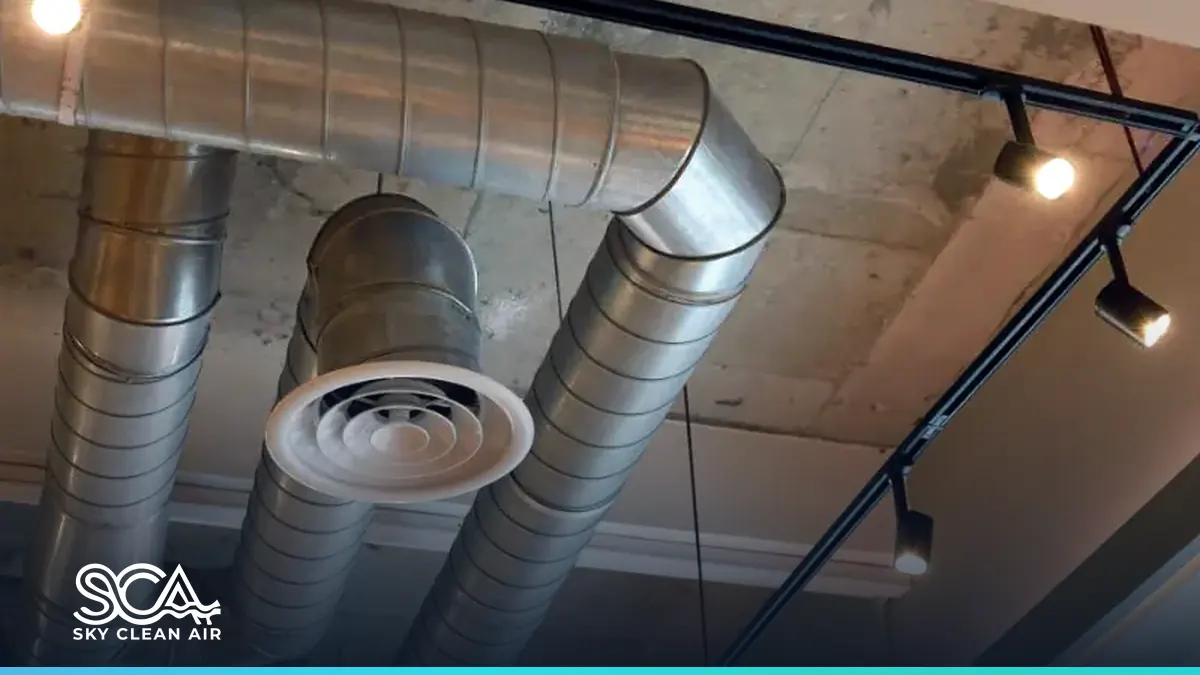
Duct fogging, also called duct sanitizing, uses a fogging machine to turn a disinfectant or deodorizer into a fine mist. The mist is blown through the ductwork so it coats the inside surfaces and reaches spots that brushes can miss.
It's typically used after a duct cleaning to deal with lingering odors, bacteria or mold residue. It's a finishing step, not the cleaning itself.
When is duct fogging safe?
Fogging is reasonable when a few conditions are met:
- The product is registered for use in HVAC ducts. Not every disinfectant is labeled for duct systems. The label tells you where and how a product can be used.
- The label directions are followed exactly, including dilution, contact time and how long to wait before re-entering.
- The ducts are cleaned first. Fog can't penetrate layers of dust and debris, and a disinfectant applied over dirt doesn't do much.
- People and pets are out of the home during treatment and for the time the label requires afterward.
- The home is ventilated afterward and the system is run as directed.
Ask the company which product they use and for its label or safety data sheet. A legitimate contractor will share that without hesitation.
What are the risks of duct fogging?
Most problems come from fogging being done in place of cleaning, or with the wrong product.
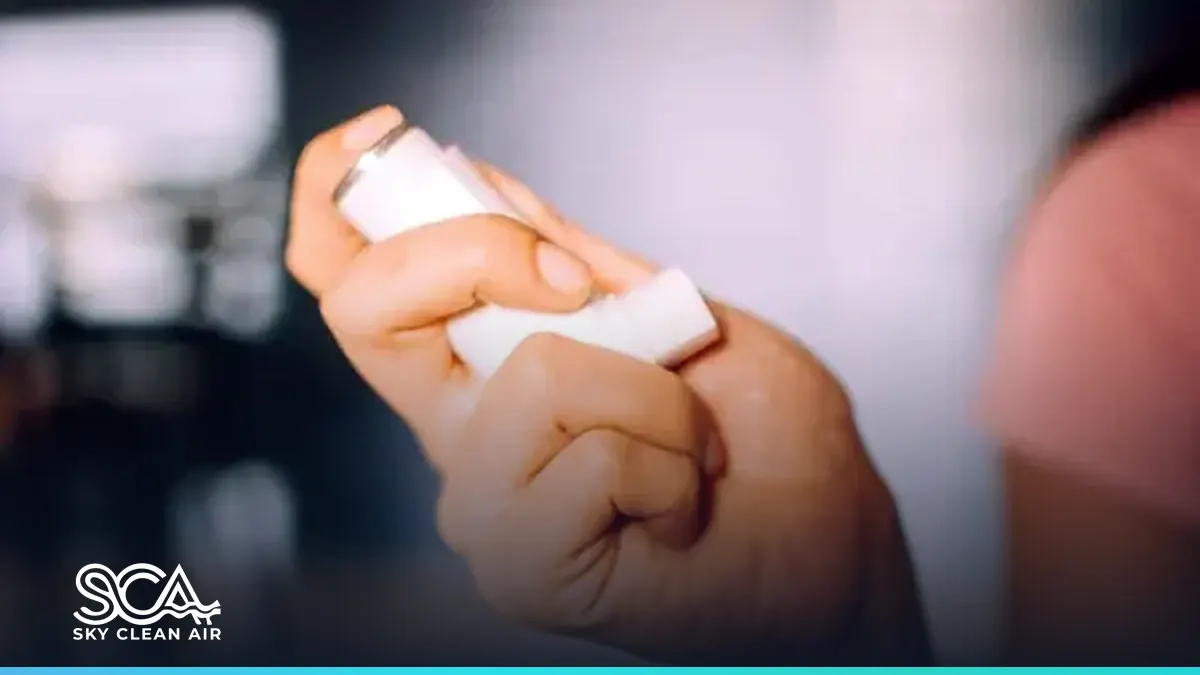
- Breathing irritation. Some people, especially those with asthma or chemical sensitivities, react to disinfectant residue or fragrance.
- Lingering odors if too much product is used or the home isn't aired out.
- Masking a problem. Deodorizing a duct that smells because of mold, a dead rodent or a moisture leak covers the smell for a while but leaves the cause in place.
- Damage to some duct materials if a product isn't compatible with flex duct liners or duct board.
If anyone in your home has asthma or is sensitive to chemicals, tell the technician before treatment and ask about lower-odor options or whether fogging is needed at all.
Does fogging kill mold in ducts?
It can help with surface residue after the mold has been physically removed. It won't remove mold growth on its own, and it won't stop mold from coming back if the moisture source is still there.
For real mold problems, the order is: find and fix the moisture, clean the ducts and coil, replace sections that can't be cleaned, then sanitize if needed. Skipping to the fogging step is how people end up paying twice.
What should you ask before agreeing to duct fogging?
- What product will you use, and is it labeled for HVAC duct systems?
- Will the ducts be cleaned before fogging?
- How long do we need to stay out of the house, and what about pets?
- Why do you recommend it for my home? What problem is it solving?
- Is there a lower-odor option if someone in the home has asthma?
If a company is pushing fogging as a cheap substitute for cleaning, or can't tell you what product they're using, that's a reason to pause.
Are there alternatives to fogging?
Often, yes. A thorough cleaning removes most of what causes odors and contamination. For ongoing protection, a UV light at the coil keeps mold from growing on the wettest part of the system, and a better filter keeps dust out. Replacing a badly contaminated section of flex duct is sometimes a better answer than treating it.
For smoke odor, cleaning the ducts, the coil and the blower, plus a fresh filter with activated carbon, can handle a lot without adding a fogging step.
When does fogging make sense?
We recommend sanitizing after a cleaning when there's a specific reason, such as rodent contamination, mold residue, smoke odor or a home with a long history of pets. For most routine cleanings, it isn't needed.
Our air duct cleaning and sanitizing service starts with an inspection so we can tell you whether your ducts need a sanitizing step, and why.