When is duct cleaning a good idea?
Duct cleaning pays off when there's something in the ducts that shouldn't be there. The situations where we see the clearest benefit are:
- After a remodel or construction. Drywall dust, sawdust and plaster get pulled into returns and keep blowing out for months.
- Rodent or insect activity. Droppings, nesting material and odors in the ducts need to come out.
- Visible mold in the ducts or on the coil, after the moisture source has been fixed.
- Moving into a home with an unknown history, smokers or several pets.
- Dust blowing out of vents when the system starts, or dust that comes back right after you clean.
- Leaky return ducts that have been pulling in attic dust and insulation for years.
When is duct cleaning not worth it?
If you pull a vent cover, look in with a flashlight and see only a light film of dust, cleaning probably won't change much. A thin layer of dust stuck to the inside of a duct mostly stays put and isn't the main source of dust in your home.
Cleaning also won't fix problems that start somewhere else. If the filter doesn't fit, or a return duct is torn and pulling in attic air, the ducts will get dirty again quickly. Those problems should be fixed along with, or before, any cleaning.
What should a proper duct cleaning include?
A real cleaning covers the whole system, not just the vent openings you can see. Look for a process that includes:
- An inspection first, including a look inside the ducts and at the air handler.
- Negative pressure, using a powerful vacuum connected to the system so loosened debris is pulled out instead of blown into the house.
- Agitation tools, like brushes and air whips, that run through each supply and return run.
- Cleaning the return side, registers and grilles, and the blower area where accessible.
- A check of the coil and drain pan, since a dirty coil can undo the work.
- A new filter at the end.
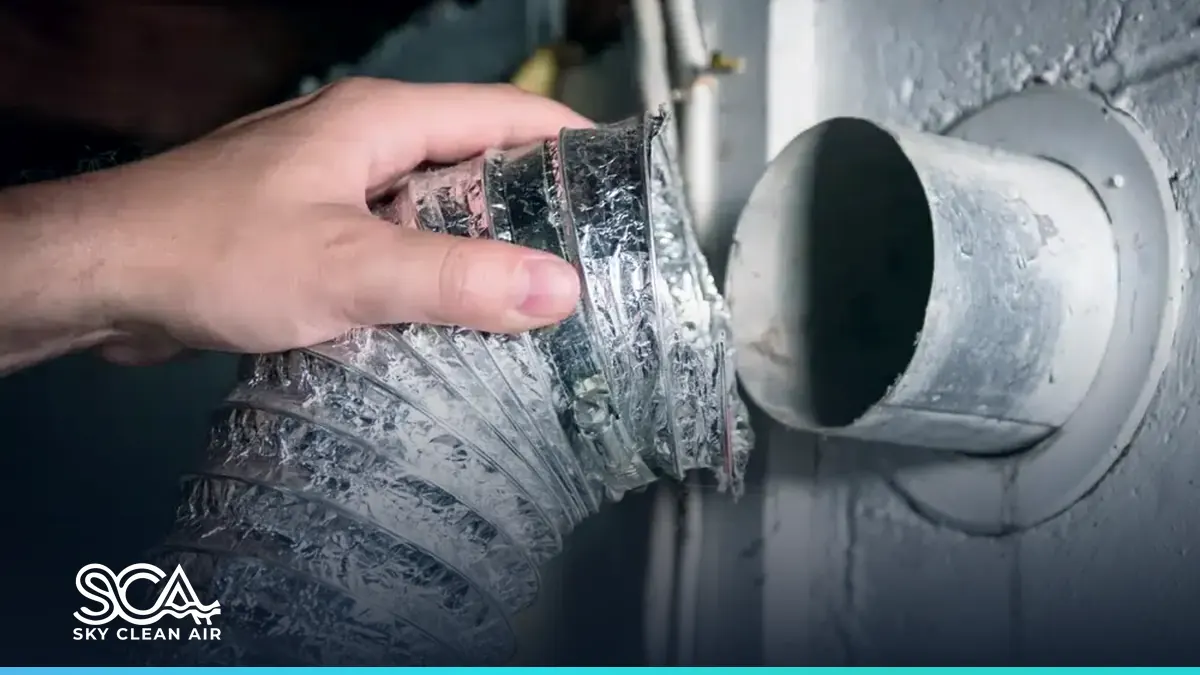
Ask to see before-and-after photos of your own ducts. A good technician will show you what came out and point out any damaged, crushed or disconnected sections found along the way.
Be careful with offers that promise a whole-house cleaning in under an hour. That's not enough time to clean every run properly.
Does duct cleaning help with allergies and dust?
It can, when the ducts are part of the problem. Clean ducts stop shedding dust, dander and debris into rooms every time the system runs. People with allergies often notice the difference after a remodel cleanup or after ducts full of pet hair are cleaned.
For ongoing dust control, though, the filter and duct sealing do most of the work. A good filter that fits tightly, plus sealed return ducts in the attic or garage, keeps new dust from getting into the system in the first place.
How often should ducts be cleaned in Southern California?
There's no single schedule that fits every home. A house with no pets, regular filter changes and tight ducts can go many years. A home with several pets, a smoker, recent construction, or frequent Santa Ana dust and wildfire smoke may need it sooner.
The better approach is to inspect rather than clean on a timer. Look at the return grille and the first few feet of duct every year or two, or have it checked during your HVAC tune-up.
What else should you fix at the same time?
If the ducts are dirty, find out why. Common causes are a loose filter, leaky or crushed ducts in the attic, a missing return grille filter, or pest entry points. Sealing and repairing those during the same visit keeps the ducts clean longer.
Our air duct cleaning starts with an inspection so you can see what's in your ducts before deciding. If they don't need cleaning, we'll tell you. You can also check current specials before you book.