
In today’s modern world, we often concentrate on outdoor pollution, but it is crucial to focus on indoor air quality as well. Understanding how to tell if indoor air quality is bad can be essential for homeowners and businesses alike. Poor indoor air can lead to various health issues, and recognizing the signs early can help prevent long-term problems.

Understanding Indoor Air Quality
Indoor air quality refers to the condition of the air within and around buildings. It relates to the health and comfort of the occupants. Poor indoor air can result from pollutants, inadequate ventilation, and other factors. Therefore, being aware of the air quality in your environment is vital.
Common Sources of Indoor Pollution
Indoor pollution can originate from various sources. Some common pollutants include dust, mold, pet dander, volatile organic compounds (VOCs), and tobacco smoke. Knowing these sources can help you take preventive measures to maintain better air quality.
Signs of Poor Indoor Air Quality
Recognizing the signs of poor indoor air quality can help in taking timely action. Here are a few indicators:
Unpleasant Odors
If you notice consistent unpleasant odors in your home or workplace, it might be a sign of poor air quality. These odors can be due to mold growth, chemical fumes, or stagnant air.
Health Symptoms
Health symptoms such as headaches, dizziness, and fatigue can indicate poor indoor air quality. Respiratory problems, allergies, and skin irritation are also common symptoms.
Excess Dust
Accumulation of dust in your living space can be a clear sign of inadequate air filtration and poor air quality. Regular cleaning and proper ventilation can help alleviate this issue.
Testing Indoor Air Quality
Testing the air quality can provide a clear picture of the pollutants present in your environment. Professional testing services can assess the levels of various pollutants and suggest measures to improve air quality.
DIY Testing Kits
DIY testing kits are readily available and can help you check for specific pollutants like mold and VOCs. While these kits provide a basic assessment, professional services offer a comprehensive analysis.
Improving Indoor Air Quality
Improving indoor air quality is crucial for a healthy living environment. Here are some steps you can take:
Proper Ventilation
Ensure adequate ventilation by opening windows regularly and using exhaust fans. Proper ventilation helps in reducing the concentration of indoor pollutants.
Regular Cleaning
Regular cleaning can significantly improve air quality. Dusting, vacuuming, and mopping can reduce the accumulation of dust and allergens.
Use of Air Purifiers
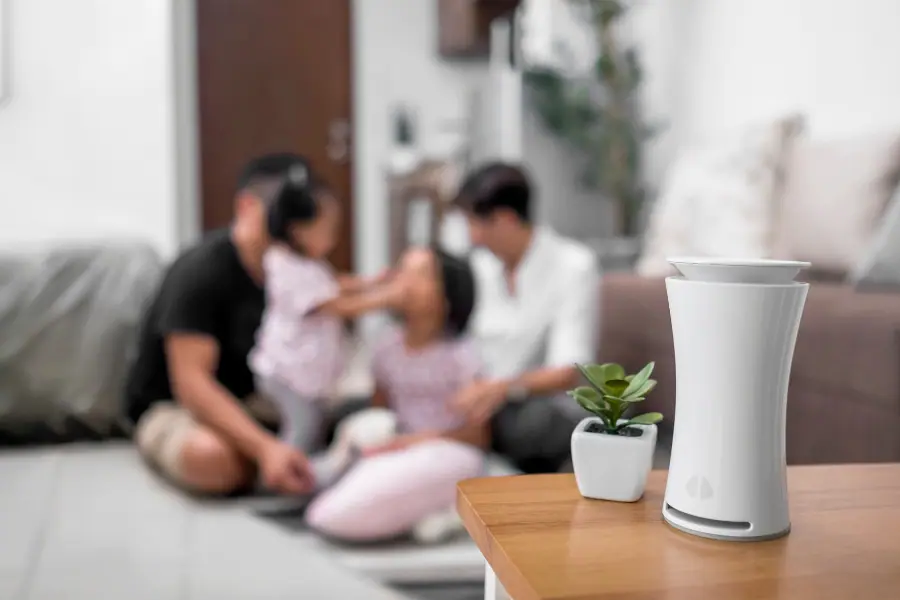
Air purifiers can be effective in removing pollutants from the air, especially in areas with limited ventilation. Choose purifiers with HEPA filters for the best results.
Preventive Measures
Preventive measures can help maintain good air quality and prevent the buildup of pollutants:
Control Humidity Levels
High humidity levels can lead to mold growth. Using dehumidifiers and maintaining humidity levels between 30-50% can prevent mold and improve air quality.
Regular Maintenance
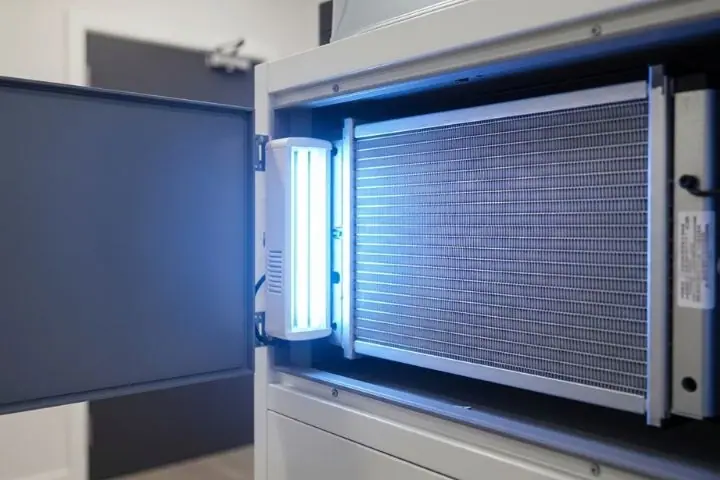
Regular maintenance of HVAC systems and air filters is essential for good air quality. Cleaning and replacing filters as needed ensures optimal performance.
Indoor Plants for Better Air Quality
Indoor plants can naturally improve air quality by absorbing pollutants and releasing oxygen. Plants like spider plants, peace lilies, and snake plants are known for their air-purifying abilities.
Conclusion
Understanding how to tell if indoor air quality is bad is crucial for maintaining a healthy living and working environment. By recognizing the signs and taking preventive measures, you can significantly improve the air quality in your space. For more detailed information on indoor air quality, visit the World Health Organization.
FAQs
What causes poor indoor air quality?
Poor indoor air quality can be caused by various factors, including pollutants like dust, mold, pet dander, and VOCs, as well as inadequate ventilation.
How can I test my indoor air quality?
You can test your indoor air quality using DIY testing kits or by hiring professional testing services for a comprehensive assessment.
Can indoor plants improve air quality?
Yes, indoor plants can help improve air quality by absorbing pollutants and releasing oxygen. Plants like spider plants and peace lilies are effective air purifiers.
For more insights on indoor air quality, check out duct service tips and quick clean methods on our website.
This article contains affiliate links. We may earn a commission at no extra cost to you.