How do I know if I have rodents in my attic?
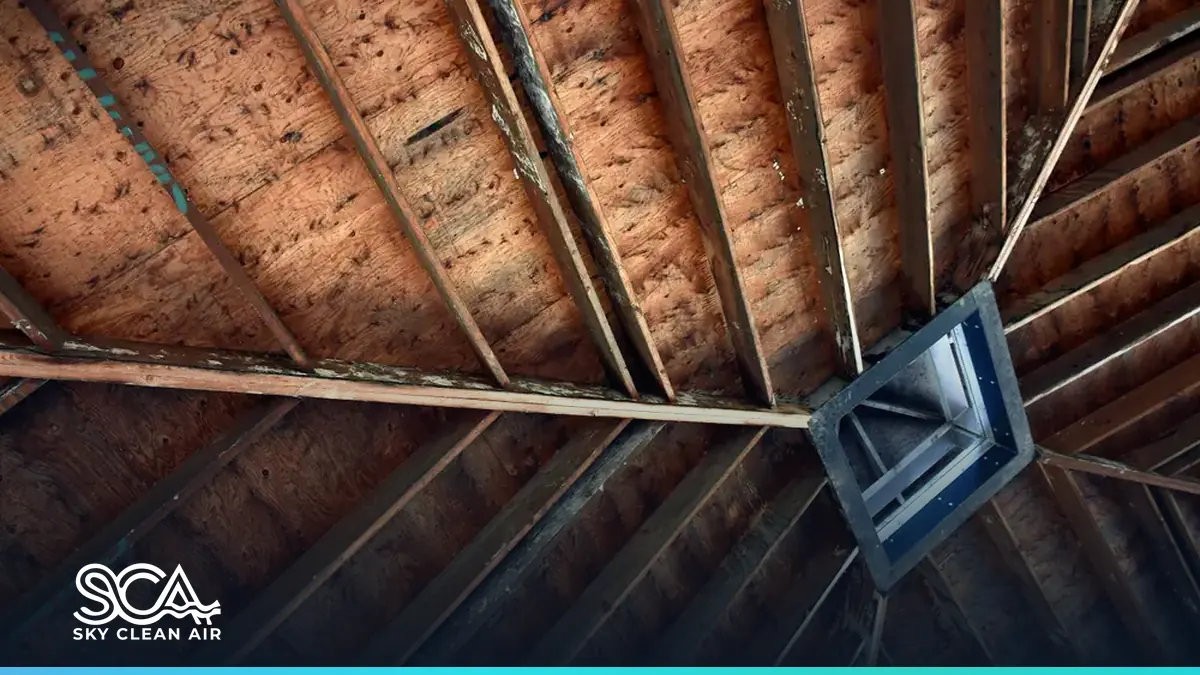
Roof rats are common across San Diego and Orange County, and they love attics. They're agile climbers that travel along fences, palm trees, utility lines and overhanging branches. Common signs include:
- Scratching or scurrying overhead, usually at night
- Droppings on the insulation, along framing or near the hatch
- Tunnels or flattened trails through blown-in insulation
- Chewed wires, ducts or stored boxes
- A stale, ammonia-like smell
- Grease marks around gaps where they squeeze through
How do rodents get into the attic?
A roof rat can fit through a gap about the size of a quarter, and mice need even less. The usual entry points on Southern California homes are:
- Gaps where the roof meets the fascia or around tile roof edges
- Damaged or loose screens on gable and eave vents
- Openings around plumbing vents, AC refrigerant lines and cable entries
- Gaps under garage doors or between the garage and attic
- Branches and vines touching the roof
What are the steps to remove them?
- Trap the rodents that are already inside. Snap traps set along their travel paths work well. Many people avoid poison bait in the attic because rodents can die in the walls or ducts and cause odor problems. A pest control company can handle this step if you'd rather not.
- Seal the entry points. Use hardware cloth, metal flashing or other chew-proof materials. Expanding foam and plastic screen won't stop a determined rat. Seal only after you're confident the animals are out, or you'll trap them inside.
- Trim the landscaping so branches are several feet back from the roof.
- Clean and sanitize the attic, which is the step most people skip.
Why does rodent cleanup matter?
Rodent droppings and urine soak into insulation, and they can carry diseases including hantavirus. The smell left behind can also attract new rodents. If your ducts or furnace are in the attic, as they are in many local homes, contamination can find its way into the airflow through leaky or chewed ductwork.
A proper cleanup usually involves:
- Removing soiled insulation with a commercial vacuum and bagging it
- Removing droppings and nesting material
- Sanitizing the framing and attic floor with a disinfectant
- Repairing damaged ducts and checking wiring for chew damage
- Installing fresh insulation and air sealing
Our attic cleaning and rodent cleanup service covers this full process, from removal to new insulation.
How do I keep rodents out for good?
Once the attic is clean and sealed, a little upkeep goes a long way:
- Walk around the house a couple of times a year and look for new gaps, torn vent screens or loose roof edges
- Keep trees and shrubs trimmed back from the roofline and walls
- Pick up fallen fruit and don't leave pet food or birdseed out overnight
- Store firewood and clutter away from the house
- Keep garage doors closed and replace worn bottom seals
It's also worth asking for an inspection whenever you have the roof, solar panels or HVAC equipment worked on. Those jobs can leave new gaps where lines and vents pass through. If you hear scratching again, act quickly. A new rodent is much easier to deal with before it has a chance to nest and spread droppings through fresh insulation.
Can I clean up rodent droppings myself?
For a few droppings in a garage, yes, with care. Don't sweep or vacuum them dry, since that stirs up dust that can carry germs. Wear gloves and a mask, spray the droppings with a disinfectant, let it soak, then wipe them up with paper towels and bag everything.
A full attic is a different job. Large amounts of droppings, hot and cramped conditions, and the need to remove insulation make it a job for a crew with the right protective gear and equipment. If rodents have been in your ductwork, have the ducts inspected too. Our duct repair and sanitizing team can check for damage.