
Winters in San Diego and Orange County are mild by most standards, but inland nights get cold, and even coastal homes want heat on chilly mornings. Because the heater sits unused for months, the first cold snap is when problems show up. A little prep in the fall means you're not waiting on a repair when you need warmth.
What should you check before you need the heat?
- Replace the air filter. A fresh filter keeps air moving and keeps dust from building up on the furnace.
- Test the heat early. Switch the thermostat to heat on a mild fall afternoon and raise it a few degrees. Warm air should arrive within a few minutes.
- Expect a short burning smell. Dust burning off the heat exchanger or heat strips is normal for the first few minutes. If it lasts longer, turn the system off and call for service.
- Clear space around the furnace. Whether it's in the garage, attic or a hall closet, move storage away from it. Never store paint, gasoline or cleaning chemicals near a gas furnace.
- Check the thermostat. Replace batteries and update any schedules for winter.
- Test your carbon monoxide alarms. Every home with a gas furnace, water heater or stove should have working CO alarms near sleeping areas.
- Open and clear vents. Make sure furniture and rugs aren't blocking supply and return vents.
What does a heating tune-up include?
A professional tune-up checks things you can't safely check yourself. For a gas furnace, a technician typically:
- Inspects and cleans the burners and flame sensor
- Checks the igniter
- Inspects the heat exchanger for cracks
- Tests limit switches and other safety controls
- Checks the venting so exhaust leaves the house properly
- Checks gas pressure and burner operation
- Inspects the blower and electrical connections
For a heat pump, the visit covers the reversing valve, defrost cycle, refrigerant pressures and outdoor coil, since the same system that cooled your home all summer now has to heat it.
Our heating team services furnaces and heat pumps across San Diego County and Orange County. Check our current specials for seasonal tune-up offers.
How do you prepare a heat pump for winter?
Heat pumps are more common in newer homes and remodels here, and they handle our winters well. A few extra steps:
- Keep the outdoor unit clear of leaves and plants, at least a couple of feet on all sides.
- Don't panic if you see steam or a little frost on cold mornings. That's the defrost cycle working.
- If the outdoor unit stays coated in ice, or the system blows cool air for long stretches, call for service.
- Avoid big thermostat setbacks if your system has backup heat strips, since a large jump can bring on the strips and use more energy.
What are warning signs to act on right away?
- A rotten egg smell: this can mean a gas leak. Leave the house and call your gas utility from outside.
- CO alarm going off, or headaches and nausea that clear up outside: get everyone out and call 911.
- Yellow or flickering burner flames instead of steady blue.
- Soot around the furnace or vents.
- Loud banging or squealing when the furnace starts.
- The furnace starting and stopping over and over.
Don't try to fix gas valves, burners or venting yourself. Turn the system off and have it inspected.
Is it worth sealing up the house too?
Yes. Heat lost through gaps around doors and windows, leaky ducts in the attic, or thin attic insulation makes your heater work harder. Weatherstripping, sealing duct connections and adding attic insulation all help the house hold the warmth your system makes.
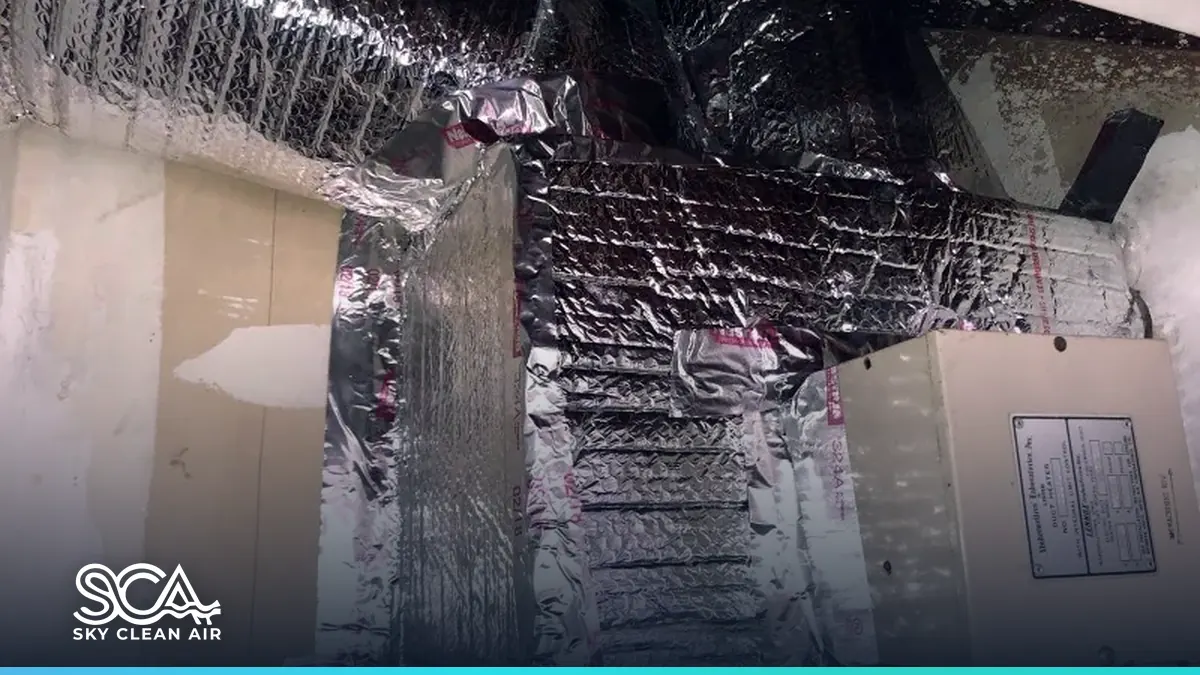
Ducts deserve a closer look in local homes, since so many run through unconditioned attics. A disconnected or torn duct can dump warm air into the attic all winter, leaving one or two rooms noticeably colder than the rest. If a bedroom never seems to warm up, that's often the reason, and a technician can find it during the tune-up.
What about the fireplace?
If you have a wood-burning fireplace, close the damper when it's not in use. An open damper lets warm air escape up the chimney while the furnace is running. Have the chimney inspected before the first fire of the season.