If you feel worse at home than anywhere else, it's natural to wonder about the air. Your ducts move every bit of heated and cooled air through the house, so whatever is inside them gets spread around too. Here's what dirty ducts can and can't do, and how to tell if yours are part of the problem.
How can air ducts affect your health?
Ducts themselves don't make anyone sick. What's inside them can. The main concerns are:
- Dust and pet dander that get blown back into rooms every time the fan runs
- Pollen that gets past a loose or low-grade filter
- Mold and mildew growing where moisture collects, often near the coil or in attic ducts that sweat
- Rodent droppings and nesting material in ducts that have been damaged or disconnected
- Construction dust or smoke residue left after a remodel or fire
For people with allergies, asthma or sensitive airways, these can make symptoms flare. For healthy adults, dirty ducts are more of a nuisance than a health risk, but they still affect comfort and cleanliness.
What symptoms might point to your ducts?
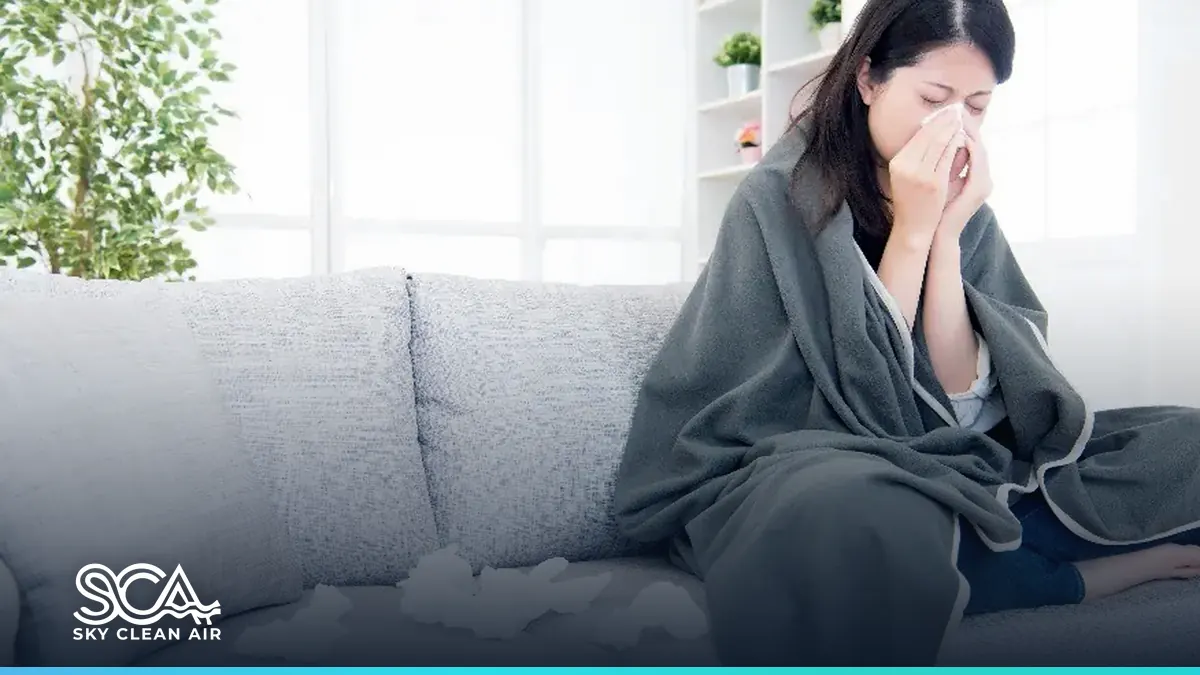
- Sneezing, stuffy nose or itchy eyes that are worse at home
- Coughing or asthma flare-ups when the heat or AC runs
- Headaches or a dry, irritated throat indoors
- Symptoms that improve when you're away for a few days
These symptoms have many possible causes, so talk to your doctor about any health concern. If your doctor suspects something in your home environment, checking the HVAC system is a sensible next step.
What signs in the house point to a duct problem?
- Dust blowing from vents when the system starts
- Dark streaks or spots around supply registers
- A musty smell that's stronger when the system runs
- Scratching sounds or droppings near vents
- A filter that gets dirty unusually fast, or dust bypassing it around the edges
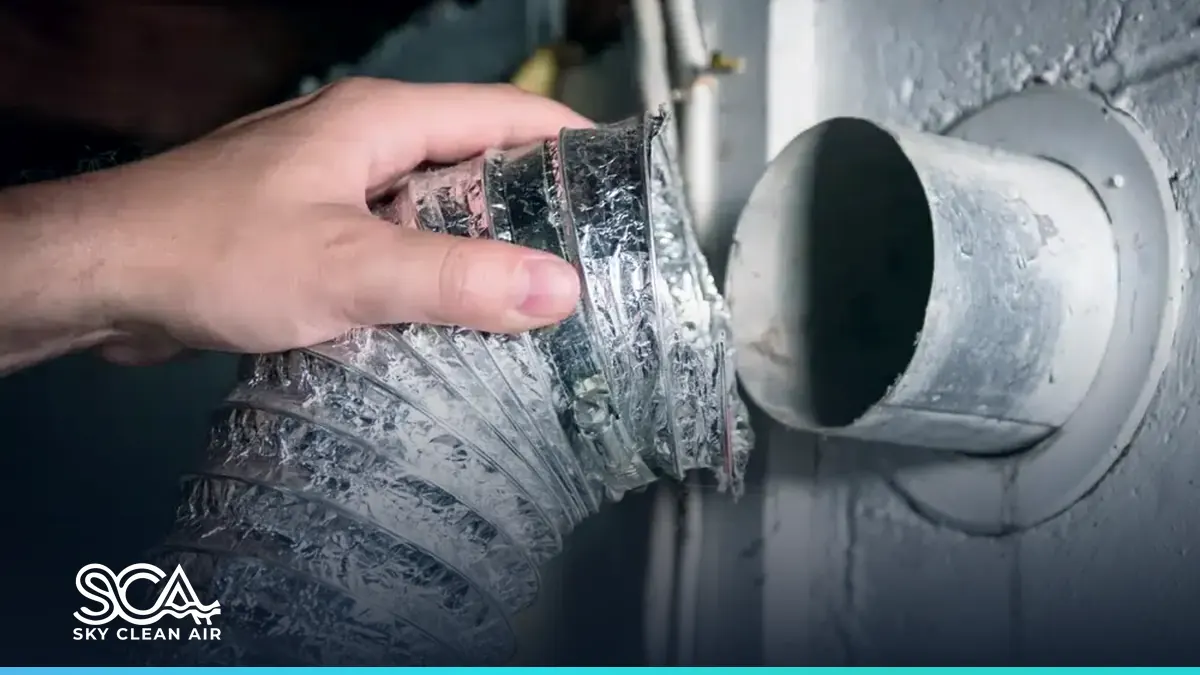
Pull a register cover and look inside with a flashlight. Heavy dust, debris or anything that looks like mold is worth a professional look.
What should you do if you think your ducts are the cause?
- Upgrade and replace your filter. A pleated MERV 8 to 13 filter that fits snugly makes a big difference.
- Check humidity. Keeping it in a comfortable middle range limits mold and dust mites.
- Get an inspection. A technician can look at the ducts, coil and blower and tell you what's actually there.
- Clean what needs cleaning. Professional duct cleaning removes buildup, and sanitizing addresses mold, pests and smoke.
- Fix the cause. Seal leaky ducts, repair damaged sections and solve moisture problems so it doesn't come back.
Our duct cleaning and sanitizing team handles inspection, cleaning and repair. For ongoing allergy or mold concerns, our indoor air quality services add filtration, purification and humidity control.
Who is most affected by dirty ducts?
Some people notice duct problems much sooner than others. Kids, older adults, and anyone with asthma, allergies or a chronic lung condition tend to react first. Pets add dander to the system and can be bothered by dust too. If someone in your home falls into one of these groups, it's worth keeping a closer eye on filters, humidity and the condition of the ducts. Homes with attic or garage ductwork also deserve extra attention, since leaks there can pull in insulation fibers, dust and fumes.
Is it something more serious?
Some symptoms aren't about dust at all. Headaches, dizziness, nausea or confusion that affect several people in the house, especially when the furnace runs, can be signs of carbon monoxide. If you suspect carbon monoxide, get everyone out of the house and call 911. Every home with gas appliances should have working CO alarms, ideally near bedrooms and on every level, and they should be tested a couple of times a year.
And if you smell gas, leave the house and call your gas utility from outside. Don't flip switches or use the thermostat on your way out.