Duct cleaning isn't something every home needs every year. But when ducts do get dirty, that dust and debris rides along with every cycle of the heat or AC and settles all over your house. Here's how to tell whether yours need attention.
What are the signs your air ducts need cleaning?
- Dust puffs out of vents when the system starts
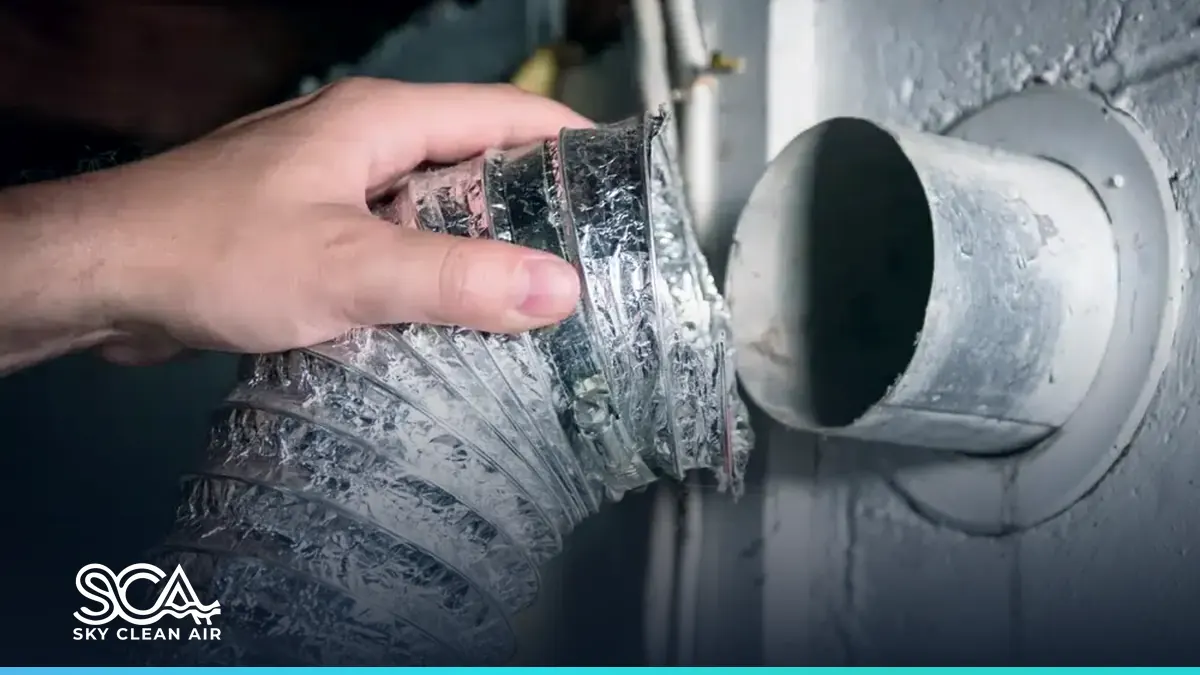
- Visible buildup on supply registers or inside the duct when you pull a vent cover
- Dust returns quickly after you clean, even with a fresh filter
- Musty or stale smells when the system runs
- Signs of pests such as droppings, nesting material or scratching sounds in the ducts
- Recent remodeling that put drywall dust or sawdust into the system
- Smoke exposure from a nearby wildfire or a house fire
- Allergy symptoms that ease when you leave home
One sign on its own isn't proof. A dusty house can come from many things. Two or three together, especially visible debris in the ducts, is a strong reason to get them checked.
How can you check your ducts yourself?
- Turn the system off.
- Unscrew a supply register in a main room and one return grille.
- Shine a flashlight inside and take a phone picture as far in as you can reach.
- Look for thick dust, debris, pet hair, droppings or dark growth.
- Check the filter slot and the area around the blower if you can see it.
A light film of dust is normal. Clumps, layers you can write your name in, or anything that looks like mold or droppings is not.
What makes ducts get dirty faster?
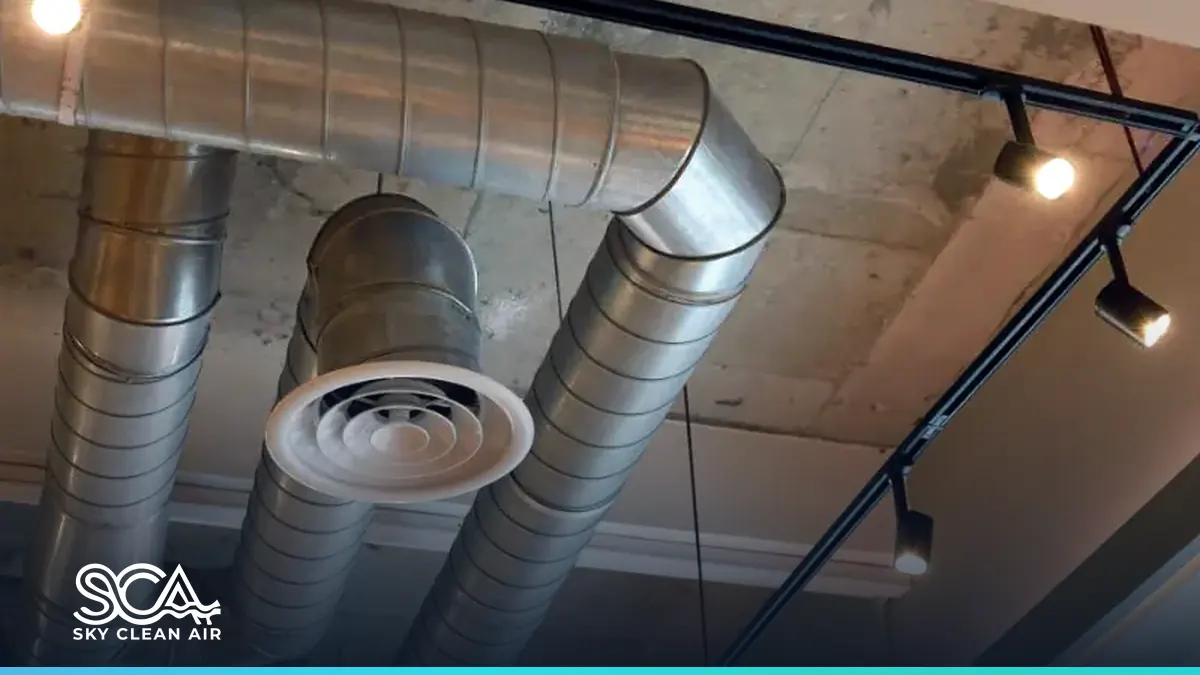
Several things are common in our area. Ducts run through attics in many San Diego and Orange County homes, and loose connections there can pull in insulation dust and attic debris. Older tract homes often have original duct systems with years of buildup. Pets, construction, smoke events and filters that don't fit snugly all add to the load.
Return ducts are a big part of this. The return side pulls air back to the system, so any gap in a return duct running through the attic or garage sucks in whatever is around it. Garage returns can even pull in car exhaust and fumes from stored chemicals. Sealing those leaks keeps the system pulling air only from inside the living space.
Ducts that leak also pull in dirt from where they run. If cleaning keeps getting needed, the ducts may need sealing or repair too.
What does a professional duct cleaning include?
A thorough cleaning covers the whole system, not just the vents you can see:
- Putting the ductwork under negative pressure with a powerful vacuum so debris is pulled out rather than blown into the house
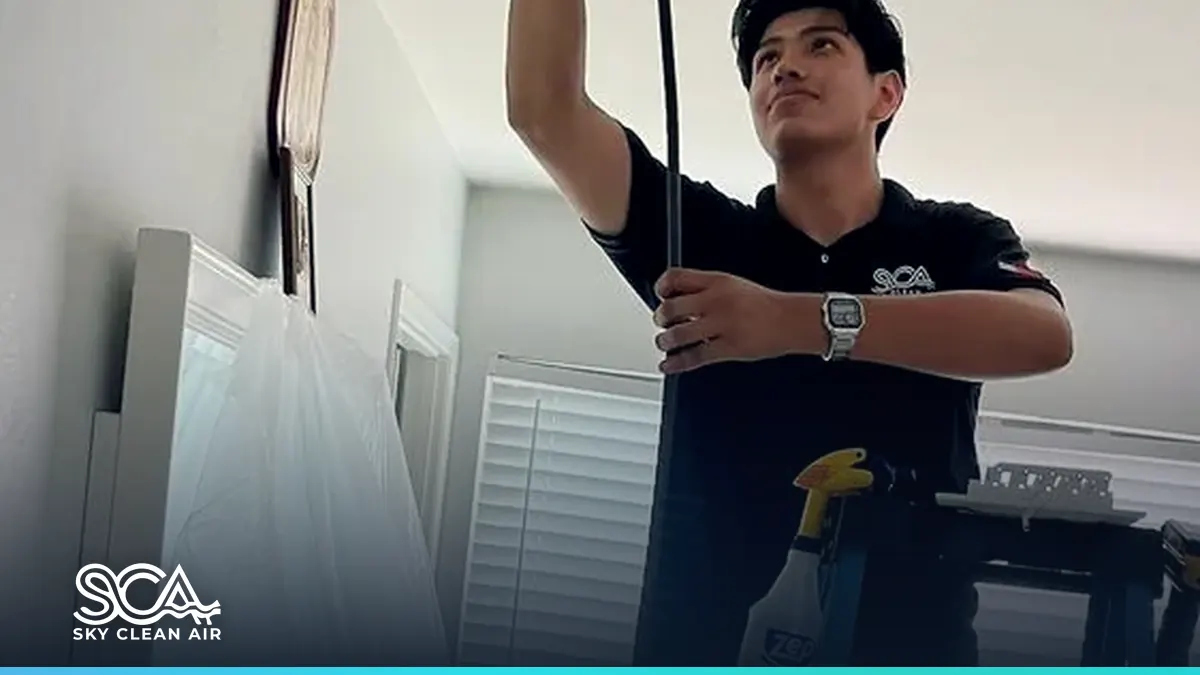
- Agitating each supply and return run with brushes or air whips
- Cleaning registers, grilles and the return plenum
- Checking the blower and coil, since a clean duct attached to a dirty blower won't stay clean
- Sanitizing when there's been mold, pests or smoke
Our air duct cleaning service follows that full process and includes a look at the condition of the ductwork, so you'll know if anything needs sealing or repair.
What should you avoid?
Be cautious of anyone who wants to spray chemicals or coatings into your ducts as a first step, or who offers a whole-house cleaning that only takes an hour. A real cleaning reaches the full length of each run, and treatments should only be used when there's a specific reason, like confirmed mold. Ask what the process includes before work starts.
How often should air ducts be cleaned?
There's no single schedule that fits every home. Many homes go several years between cleanings without issues. Homes with pets, allergies, smoke exposure or attic ducts that leak may need it sooner. The best approach is to clean when an inspection shows buildup, rather than on a fixed calendar.
Between cleanings, change your filter on schedule and make sure it fits the slot with no gaps around the edges. That one habit keeps more dust out of your ducts than anything else.