What does disinfecting an HVAC system actually mean?
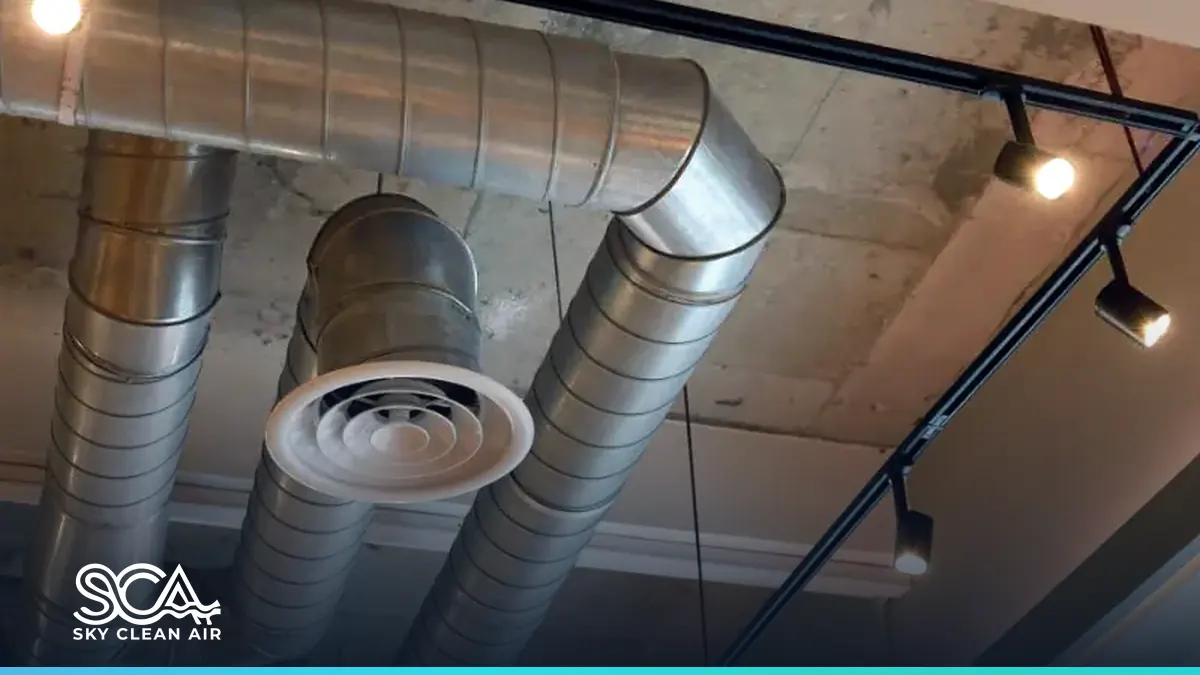
Sanitizing is a step that follows duct cleaning. After dust and debris are removed, a technician applies an antimicrobial product inside the ducts, usually by fogging it through the system. The goal is to reduce bacteria, mold and odors on surfaces that cleaning alone may not fully address.
It isn't a substitute for cleaning. Spraying a sanitizer into dirty ducts just coats the dust and leaves the source of the problem in place.
When is duct sanitizing worth it?
Sanitizing is most useful after specific events:
- Mold growth. After the moisture source is fixed and the mold is cleaned out
- Rodent or pest contamination. After droppings, nests and damaged duct sections are removed
- Smoke exposure. After wildfire smoke or a house fire, to help with lingering odors
- Persistent odors. Musty or sour smells that remain after a full cleaning
- Moving into a home. When you don't know the system's history and want a fresh start
For a home with no specific problem, regular filter changes and a cleaning every few years usually do the job.
What products are used to sanitize ducts?
The product matters. Only antimicrobial products registered with the EPA for use in HVAC duct systems should be used, and they should be applied exactly as the label directs. Products made for countertops or other household surfaces aren't intended for ducts.
Ask the technician what product they use and for what purpose. A reputable company will tell you the name and can share its safety information. Some sanitizers can bother sensitive people, so it's worth asking how long to stay out of the room or keep the system off after treatment.
Which parts of the system need attention first?
Mold and bacteria grow where there's moisture, and in a forced-air system that's mostly at the indoor unit. During cooling, the evaporator coil stays wet and drips into the drain pan, which feeds the condensate line. Dust stuck to a wet coil is an ideal spot for growth.
A proper job cleans the coil with a coil cleaner made for the purpose, clears and flushes the drain pan and line, and checks the blower wheel for caked dust. Those parts should be handled by a technician, since the work means opening the air handler and working around electrical parts and refrigerant lines.
What can sanitizing not fix?
A sanitizer treats surfaces. It won't fix the conditions that caused the problem in the first place. If mold grew because a drain pan overflowed, the drain needs fixing. If rodents got in through a torn duct in the attic, the duct needs repair and the entry points need sealing.
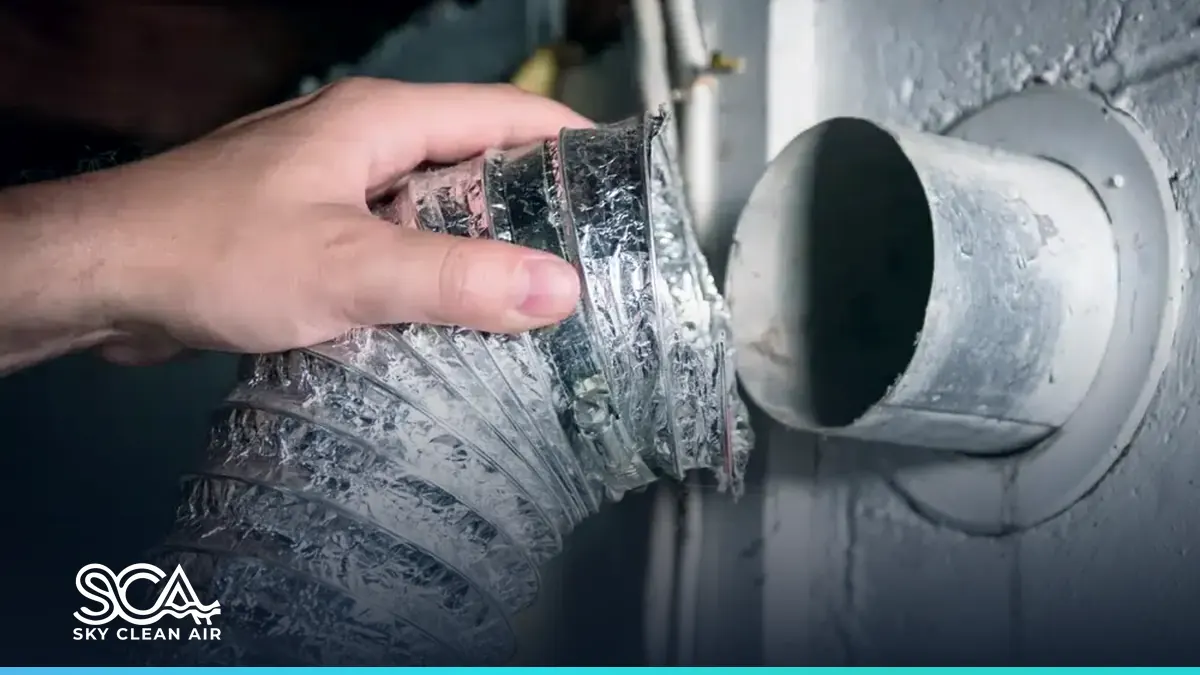
Flexible ducts with badly contaminated inner liners are another limit. Their ribbed surfaces are hard to clean fully, and replacing heavily contaminated sections is often the better choice.
What does the full process look like?
- Inspection to find out what's in the ducts and why
- Repair of moisture problems, leaks or damaged duct sections
- Cleaning the coil, drain pan and blower
- Full duct cleaning under negative pressure
- Application of an EPA-registered sanitizer suited for HVAC use
- A new filter and a check that the system is running properly
Our air duct cleaning and sanitizing service follows these steps, and we'll explain whether sanitizing makes sense for your situation before adding it.
Does sanitizing help with allergies?
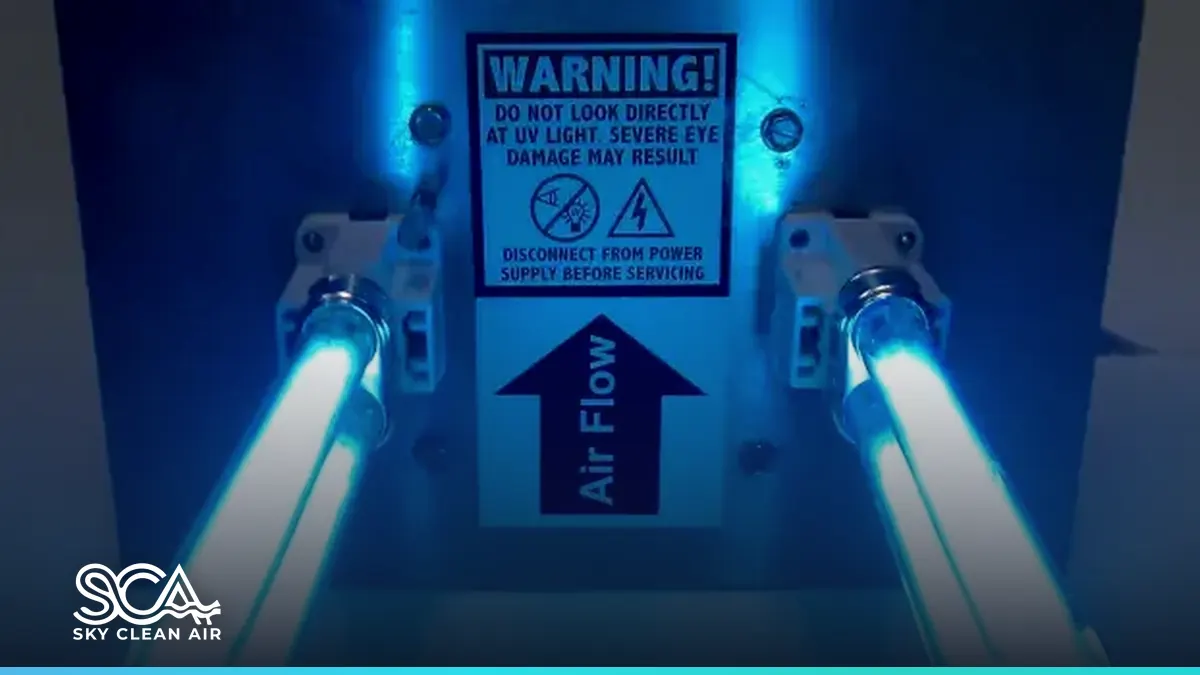
It can help if mold or bacteria in the ducts are part of the problem. For allergies to pollen, dust and pet dander, a good filter, clean ducts and an air purifier usually make more of a difference. A UV light near the AC coil can also help keep mold from growing back on the damp coil and drain pan.
Our indoor air quality team can help you sort out which steps fit your home best.
What about coastal and wildfire-prone homes?
Homes near the coast deal with more humidity, which can lead to condensation and mold near the air handler or on poorly insulated ducts in the attic. If you've had mold before, cleaning followed by sanitizing, plus fixing the moisture issue, is a sensible approach.
Inland and foothill homes that went through heavy smoke may notice odors in the ducts long after the fire. A thorough cleaning removes the fine soot, and sanitizing or deodorizing can help with the remaining smell.
In either case, change the HVAC filter as soon as the problem is fixed, and again a few weeks after the cleaning. The first filter after a treatment often catches leftover debris that was shaken loose, and a fresh one keeps it from settling back into clean ducts.