
Why does sizing matter so much?
Bigger isn't better. An oversized AC cools the house fast, shuts off, and starts again a few minutes later. That short cycling wears out parts, leaves rooms uneven and does a poor job of pulling moisture from the air. An undersized system runs nonstop on hot days and still can't keep up.
The right size comes from a load calculation that accounts for square footage, insulation, windows, sun exposure and local climate. A coastal home in Pacific Beach and an inland home in El Cajon of the same size can need very different systems. If a contractor sizes your new system just by matching the old one, ask why.
What type of system fits your home?
- Gas furnace with central AC. A common setup in San Diego tract homes, with the furnace in the attic, garage or hall closet.
- Heat pump. Heats and cools with one outdoor unit. Our mild winters suit heat pumps well.
- Dual fuel. A heat pump paired with a gas furnace that takes over on colder nights.
- Ductless mini-splits. Good for homes without ducts, room additions and garage conversions.
The best choice depends on your existing ductwork, gas and electrical service, and how you use the house.
How much do efficiency ratings matter?
Cooling efficiency is shown as SEER2, heat pump heating as HSPF2 and furnace efficiency as AFUE. Higher numbers use less energy for the same output, but they also cost more up front.
Whether a higher rating pays off depends on how much you run the system. An inland home that runs the AC all summer gets more benefit from high efficiency than a coastal home that uses it a few weeks a year. Ask your contractor to compare options based on your actual use, not just the highest number on the brochure.
Should the ductwork be checked too?
Yes. A new system connected to leaky, undersized or crushed ducts won't deliver the comfort or efficiency you paid for. In many local homes, ducts run through hot attics, so leaks there waste cooled air and pull in dusty attic air.
Before you sign, ask whether the estimate includes a duct inspection, and whether sealing, repair or replacement is recommended. It's often the right time to fix ducts, since the system is already being opened up.
What should a good estimate include?
Compare estimates line by line. A solid one lists:
- Equipment brand, model numbers and efficiency ratings
- The load calculation or how the size was chosen
- Ductwork changes, sealing or repairs
- Thermostat, electrical and gas line work
- Permits and inspections
- Removal and disposal of the old equipment
- Manufacturer warranty registration and any labor warranty offered in writing
Our HVAC installation service includes a free in-home estimate with these details spelled out, and you can check our current specials as well.
How do you choose the installer?
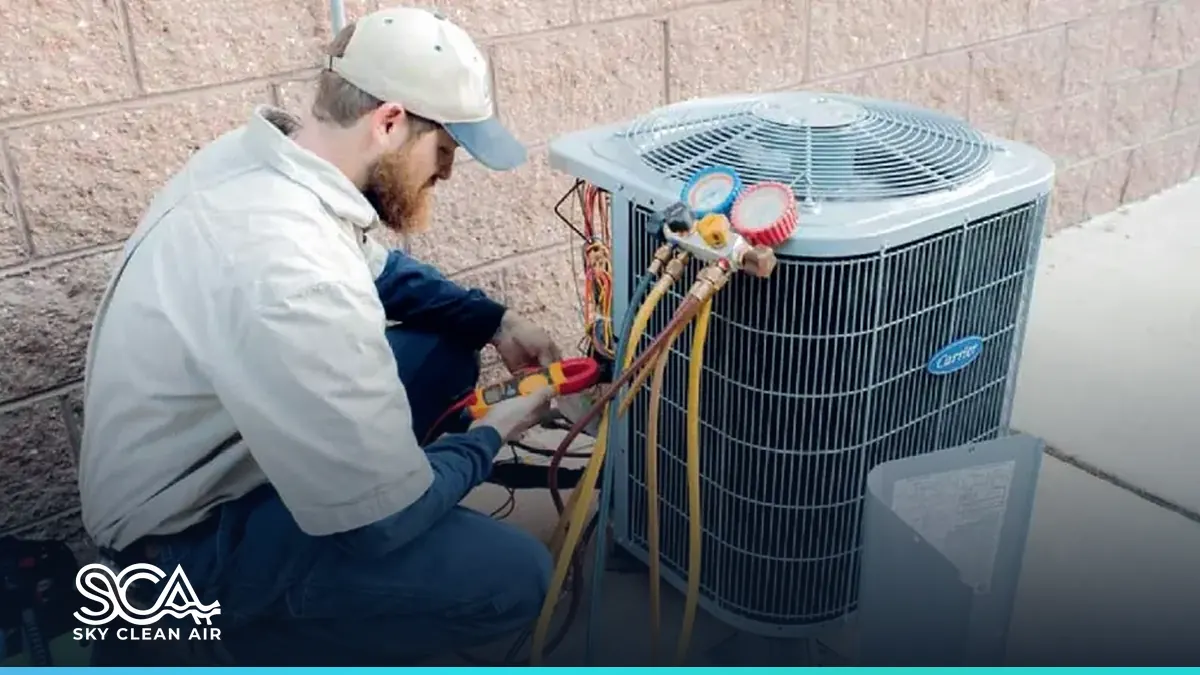
Installation quality affects comfort and lifespan as much as the brand does. Refrigerant charge, airflow settings, drainage and duct connections all depend on the crew. Look for a company with an active California contractor license, solid recent reviews and a clear explanation of the work.
Ask who will do the install, whether permits are pulled, and what happens if something isn't right after the job is done. A good contractor answers those questions without hesitation.
What should you think about beyond the equipment?
A new system is a good time to look at the rest of the house. Thin attic insulation and air leaks around can lights and attic hatches make any system work harder. Fixing them can sometimes let you choose a smaller, less expensive unit.
Consider the thermostat too. A programmable or smart thermostat helps you avoid running the system when nobody's home. Homes with rooms that are always too hot or too cold may benefit from zoning or a separate mini-split. And if wildfire smoke or allergies are a concern, ask about a media filter cabinet when the new equipment goes in.