What decides the price of an HVAC repair?
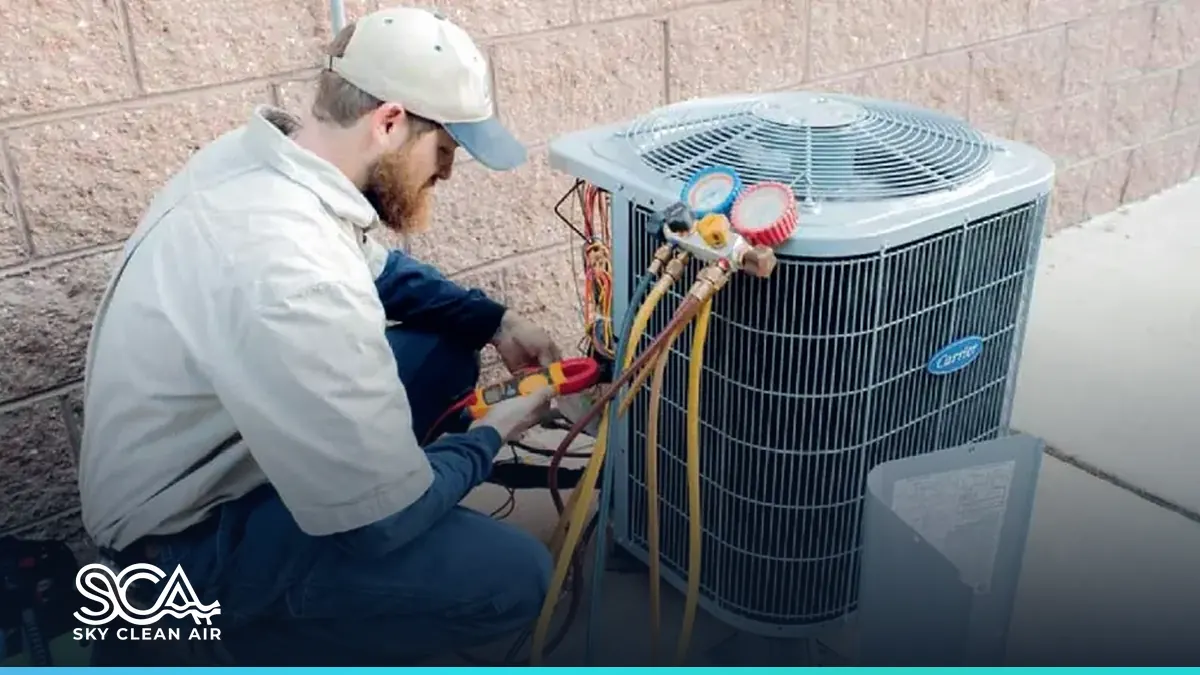
Every repair bill comes down to two things: the part and the labor to replace it. A small electrical part that takes a few minutes to swap is a very different job from replacing a compressor, which means recovering refrigerant, brazing new lines and recharging the system.
These factors move the price up or down:
- Which part failed. Capacitors, contactors, igniters and flame sensors are common and fairly simple. Blower motors, control boards and coils cost more. Compressors and heat exchangers are the big ones.
- Age and brand. Parts for older or discontinued equipment can be harder to find and take longer to arrive.
- Refrigerant type. Older systems that use R-22 are expensive to recharge because that refrigerant is no longer produced.
- Access. A furnace in a cramped attic or a tight hall closet takes longer to work on than one in an open garage.
- Timing. After-hours and weekend calls can cost more than a scheduled weekday visit.
What are the most common HVAC repairs?
Most service calls we run in San Diego County and Orange County fall into a handful of categories:
- AC won't start. Often a bad capacitor or contactor at the outdoor unit, especially after a hot inland stretch.
- Water leaking from the indoor unit. Usually a clogged condensate drain line or a cracked drain pan.
- Furnace won't light. A dirty flame sensor, failed igniter or tripped limit switch from a clogged filter are common causes.
- Weak airflow. A dirty filter, frozen coil, failing blower motor or disconnected duct in the attic.
- Warm air from the AC. Low refrigerant from a leak, a dirty condenser coil or a failing compressor.
Some of these are quick fixes. Others point to a deeper issue, which is why a good technician tests the whole system instead of just swapping the first part that looks bad.
What can you check before calling for repair?
A few simple checks can save you a service call:
- Make sure the thermostat is set to heat or cool and the batteries are fresh.
- Look at the air filter. A packed filter can shut a furnace down or freeze an AC coil.
- Check the breaker panel for a tripped breaker, and reset it once. If it trips again, leave it off and call.
- Confirm the furnace door is fully closed, since many units have a safety switch there.
- Rinse dust and leaves off the outdoor unit with a gentle hose spray if it's caked over.
Leave anything involving gas valves, refrigerant or the inside of electrical panels to a technician. If you smell gas, leave the house and call the gas utility from outside. If a carbon monoxide alarm goes off, get everyone out and call 911.
When does replacement make more sense than repair?
Repair is usually the right call when the system is in good overall shape and the failed part is a normal wear item. Replacement starts to make sense when:
- The system is getting old and has needed several repairs in the last couple of years
- The repair involves the compressor or heat exchanger on an aging unit
- The system uses R-22 and has a refrigerant leak
- Your energy bills keep rising and the house still isn't comfortable
A trustworthy technician will show you what failed and lay out both options without pressure. You can read more about our HVAC repair and replacement service if you're weighing that choice.
How can you keep repair bills down?
Most expensive repairs start as small problems that went unnoticed. Changing filters on schedule, keeping the outdoor unit clear and booking a yearly tune-up catch worn parts before they fail on the hottest or coldest day of the year.
A tune-up also gives the technician a chance to clean the flame sensor, flush the drain line, check refrigerant pressures and test capacitors, which are the exact items behind many no-heat and no-cool calls. Keep an eye on the specials page for current tune-up offers.