What decides the price of a new HVAC system?
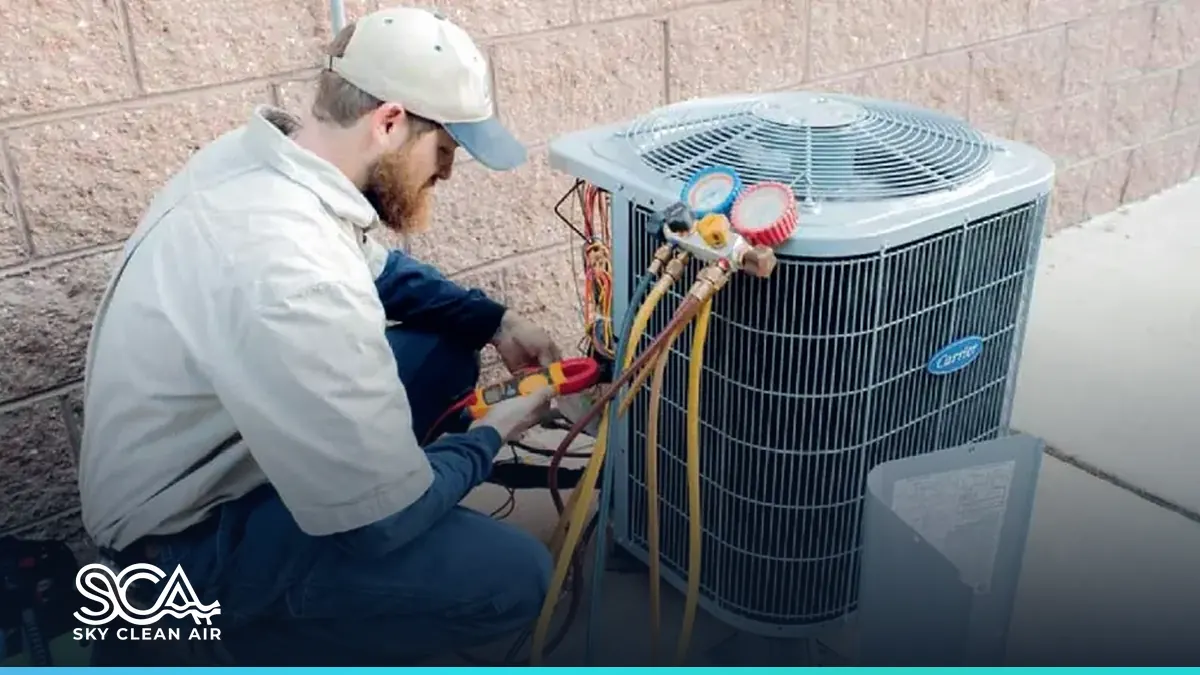
- System type: a gas furnace and AC, a heat pump, a dual fuel system or ductless mini-splits each have different equipment and labor costs.
- Size: measured in tons of cooling and BTUs of heating. It should come from a load calculation, not the size of the old unit.
- Efficiency: higher SEER2 and HSPF2 ratings and variable-speed equipment cost more up front and less to run.
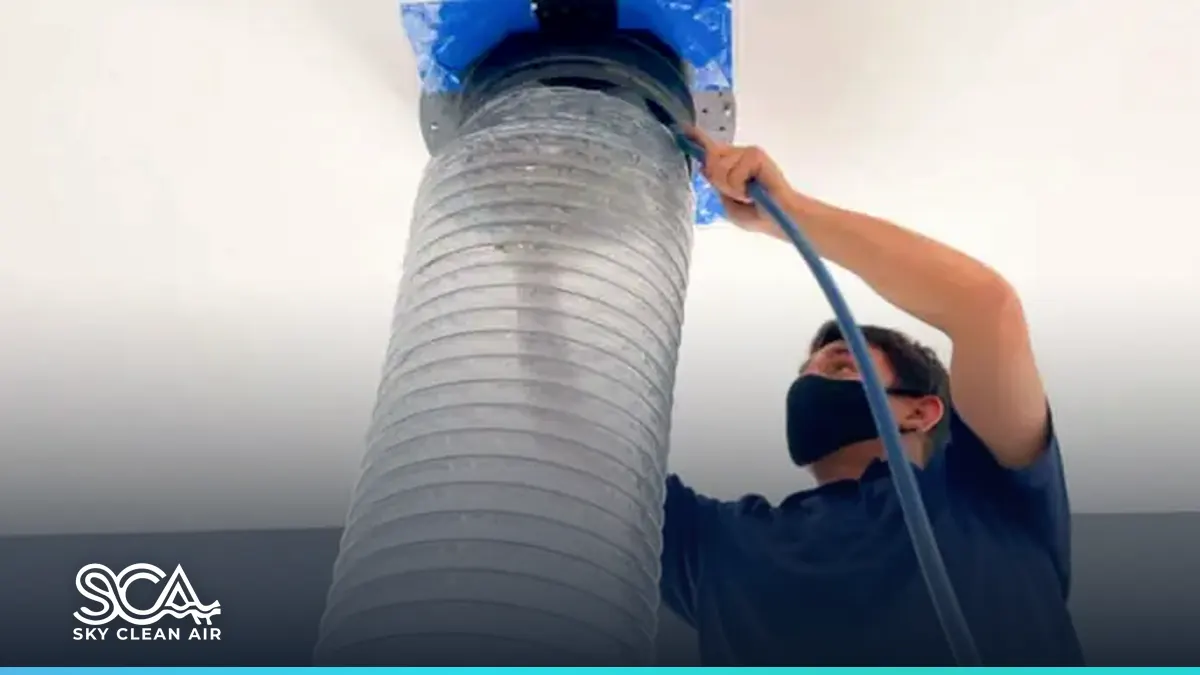
- Ductwork: reusing good ducts saves money. Old, leaky or undersized ducts may need sealing or replacement.
- Equipment location: attic installs, common in older stucco tract homes, take more labor than garage or closet installs.
- Electrical work: heat pumps and some new equipment may need new circuits or panel upgrades.
- Permits and code: California's energy code sets efficiency and testing rules that affect what's installed and how it's verified.
- Add-ons: thermostats, zoning, air purifiers, UV lights or a media filter cabinet.
How do California rules affect the cost?
HVAC replacements in California generally need a permit, and the state's energy code applies. Depending on where you live and what's being changed, that can include duct leakage testing and verification by a third-party rater before the permit is closed. These steps add some cost and time, but they also make sure the system is installed and sealed properly.
Newer residential equipment also uses newer refrigerants as federal rules phase out older ones. That affects which equipment and parts are available, and it's one more reason to replace matched indoor and outdoor components together.
Furnace and AC or heat pump: which costs more?
It depends on what you have now. If you already have gas, ducts and a suitable electrical panel, replacing a furnace and AC with similar equipment is usually the simplest job. Switching to a heat pump may involve electrical work and capping the gas line, but it removes the furnace and gives you one system for heating and cooling.
Utility and government programs sometimes offer incentives for heat pumps and efficient equipment. Programs change often, so ask about what's currently available when you get your estimate.
Why do HVAC quotes vary so much?
When you compare estimates, the totals can look far apart. Usually that's because the scope is different. Check whether each quote includes:
- A load calculation to size the system
- Matched indoor and outdoor equipment from the same brand and series
- A new refrigerant line set or reuse of the old one
- Duct sealing, repair or replacement
- Permit, inspection and any required testing
- Thermostat, condensate drain work, pad and disconnect
- Haul-away of old equipment
- Labor coverage from the installer, separate from the manufacturer warranty
A lower price that leaves out the permit or duct work often ends up costing more later.
Does where you live in Southern California change the system you need?
It does. Coastal homes with mild summers often need less cooling capacity than homes a few miles inland, where hot afternoons can push a system hard. Near the beach, salt air is harder on outdoor units, so equipment placement and coil protection matter more. Inland homes with cold winter nights may lean toward a furnace or dual fuel setup, while many coastal homes do well with a heat pump. A load calculation accounts for all of this.
How can you keep the cost reasonable?
- Replace before the old system fails completely, so you're not making a rushed decision during a heat wave.
- Don't oversize. A right-sized system costs less and runs better.
- Fix leaky ducts and thin attic insulation so a smaller system can do the job.
- Ask about current specials and any available incentives.
- Register the new equipment promptly to get the full manufacturer warranty.
How do I get a price for my home?
Our HVAC team serves homes across San Diego and Orange County. We'll look at your house, ducts and electrical service, explain your options, and give you a free estimate. You can also check our current specials.