How do buyers see an HVAC system?
Most buyers don't get excited about a furnace. What they do notice is an old one. When an inspector writes up a system as near the end of its life, buyers often start mentally subtracting a replacement from their offer, or they ask for a credit.
A newer system works the other way. It's a line in the listing that says "you won't have to deal with this for a while." That can help a home stand out and keep negotiations simpler.
Will I get my money back when I sell?
Usually not dollar for dollar. Appraisers look at comparable sales, and a working HVAC system is expected in most homes. A new one doesn't usually push the appraisal up by the full amount you paid.
Where you see the return is in what you avoid: a buyer asking for a large credit, a deal falling apart over a failed inspection, or a home sitting on the market longer than it should. If you plan to stay a few years, you also get the comfort and lower running costs while you live there.
What makes a new system add the most value?
- A permit on file. Buyers and their agents may ask whether the work was permitted. An unpermitted install can cause questions during escrow.
- Proper sizing. A system matched to the home runs better and keeps rooms comfortable, which buyers notice during showings.
- Transferable warranty. If the manufacturer warranty can be transferred, have the paperwork ready.
- Service records. Proof of regular maintenance tells buyers the system was cared for.
- Central air in homes that lacked it. In parts of San Diego and Orange County where older homes were built without AC, adding cooling can be a meaningful upgrade, especially inland where summers are hot.
- Efficiency and electrification. Some buyers specifically look for heat pumps and efficient equipment.
Should I replace my HVAC before selling?
It depends on the condition of the current system and the timing.
- If it works but is older: a tune-up, clean filter and service report may be enough. Let the inspection speak for itself.
- If it's failing or has safety issues: replacing it is often better than giving a large credit, since a buyer's credit request can end up larger than the actual cost of the work.
- If the home has no AC in a hot area: adding central air or ductless mini-splits may help with buyers who expect cooling.
Talk with your real estate agent about how buyers in your neighborhood weigh this. They see what's selling and what's getting written up in inspections.
Does the type of upgrade matter to value?
Some upgrades are easier for buyers to see and appreciate than others. A smart thermostat, a whole-home air purifier or a zoning system that fixes a hot upstairs can come up during showings, especially if you mention them in the listing. Things buyers can't see, like new ductwork in the attic, matter more to the inspector than to the buyer, but they still help the report come back clean.
On the other hand, an upgrade that doesn't fit the home, like a very large or high-end system in a small starter house, may not change what buyers will pay. Matching the system to the house is the safest approach, both for comfort while you live there and for resale later.
What else do inspectors look at?
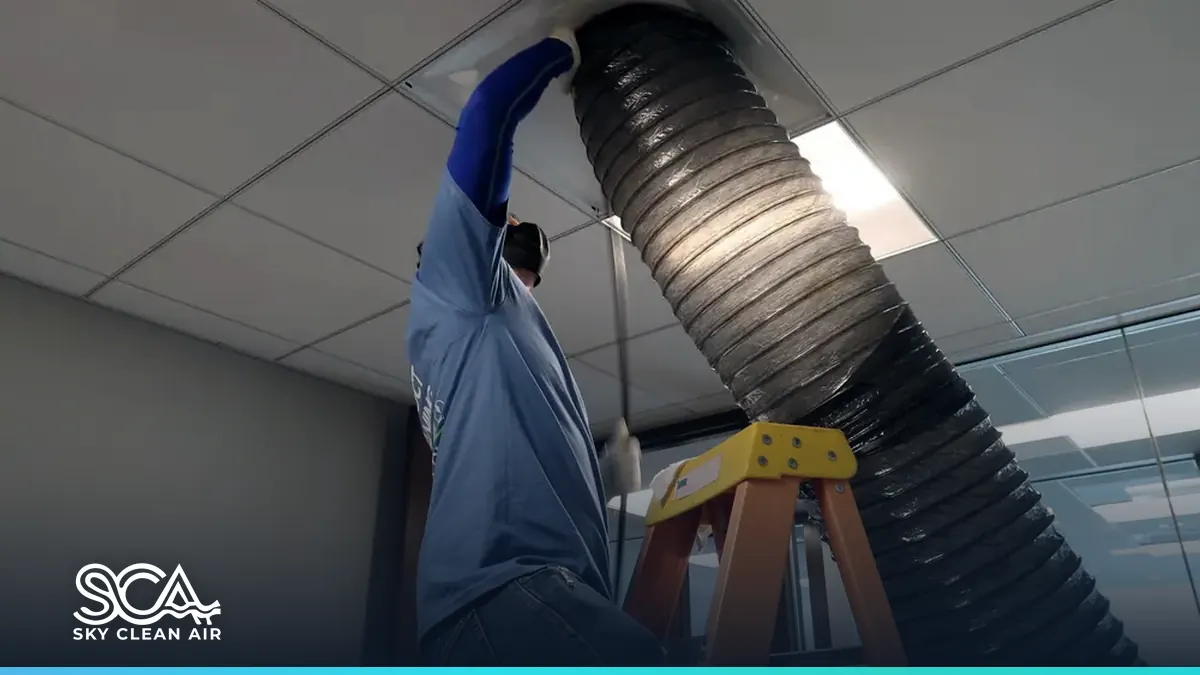
A home inspector will usually note the age of the equipment, whether it heats and cools, the condition of the ducts, filter condition, and any safety issues like venting problems on gas furnaces. Dirty or disconnected ducts in the attic and a rusty outdoor unit near the coast are common findings.
Cleaning the ducts, sealing obvious leaks and fixing small problems before listing can keep the report shorter. Our HVAC team can inspect your system before you sell and tell you whether repair or replacement makes more sense, with a free estimate.