What does a typical replacement timeline look like?
The install day is the part you notice most, but the whole process has a few stages.
- Estimate and load calculation: a technician looks at the house, the existing equipment and the ducts, and sizes the new system. This visit usually takes an hour or two.
- Choosing equipment and scheduling: once you pick a system, the equipment is ordered and the install is booked.
- Permit: HVAC replacements in San Diego and Orange County generally need a permit from your city or the county.
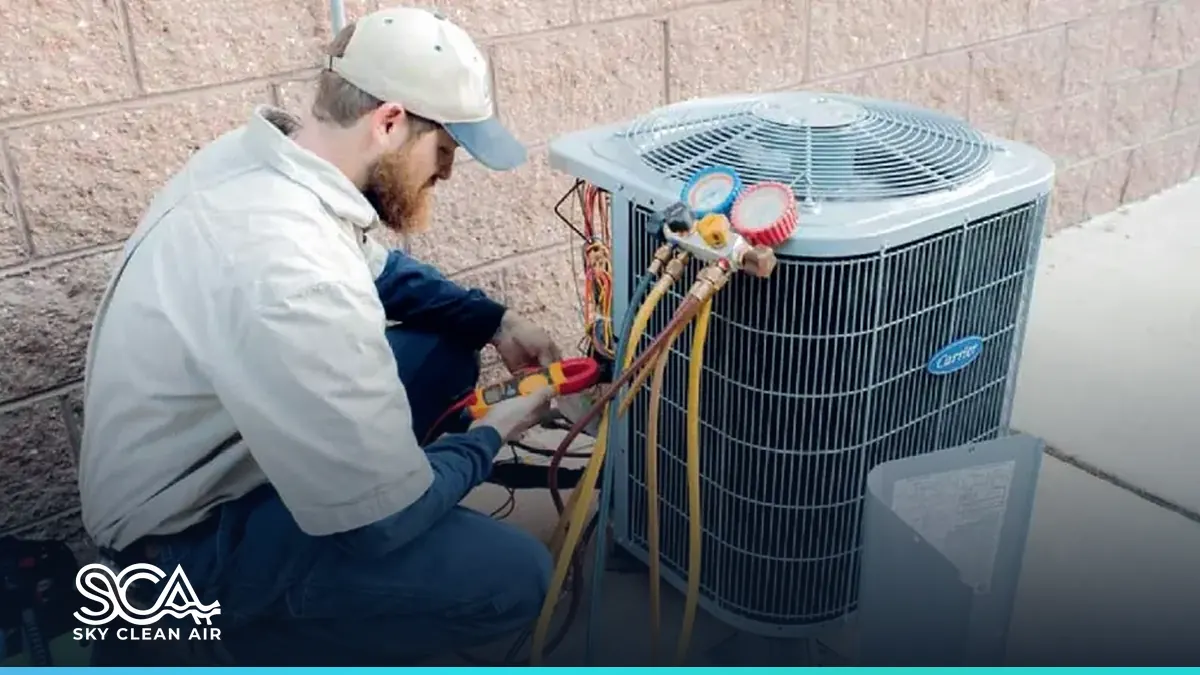
- Install day: old equipment comes out, new equipment goes in, and the system is started and tested.
- Inspection and closeout: an inspector checks the work. Depending on where you live and what was changed, California's energy code may also require duct leakage testing and third-party verification.
What happens on install day?
For a standard furnace and AC swap, the crew usually:
- Shuts off power and gas to the equipment and recovers the refrigerant from the old system
- Removes the old furnace or air handler, coil and outdoor unit
- Sets the new indoor unit in the attic, garage or hall closet, and the new outdoor unit on its pad
- Adapts the plenum and duct connections to fit the new equipment
- Connects or replaces the refrigerant line set, gas line, venting, condensate drain and wiring
- Installs or reconnects the thermostat
- Pressure tests and evacuates the refrigerant lines, then charges and starts the system
- Checks airflow, temperatures, gas pressure and safety controls, then walks you through it
What makes an HVAC installation take longer?
- Attic installs: many older stucco tract homes have the furnace in the attic. Getting equipment up and down through a small hatch takes time, especially in summer heat.
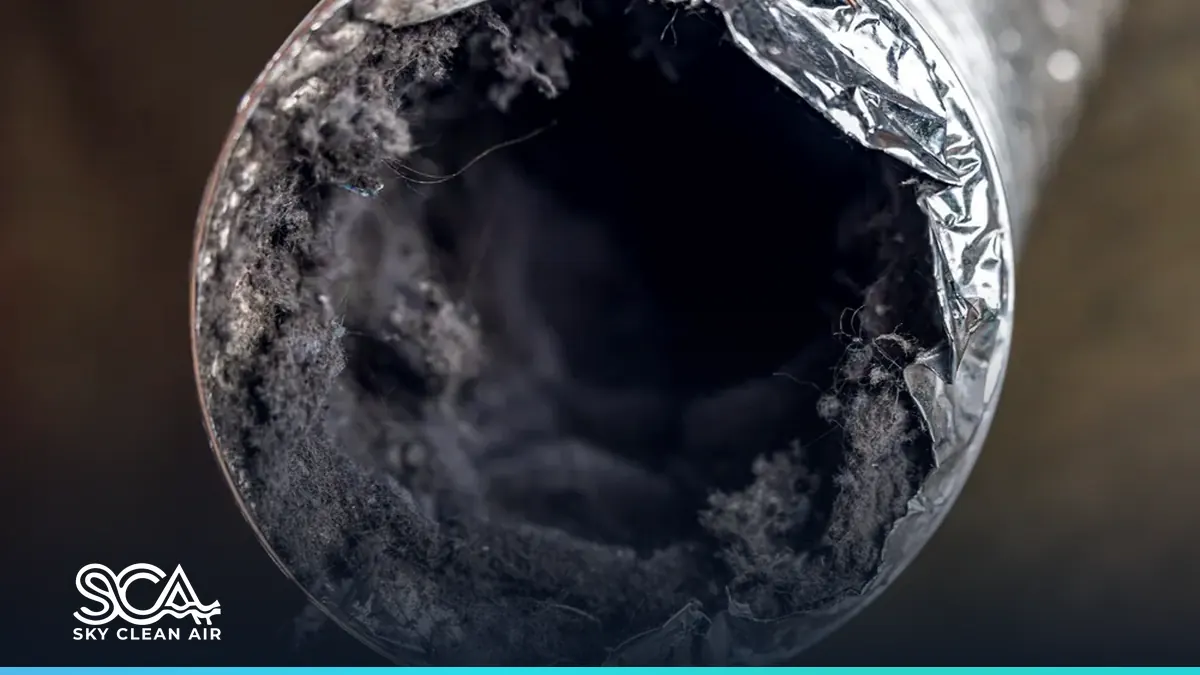
- Duct replacement: replacing old or damaged ductwork often adds a day or more.
- Switching system types: going from a furnace to a heat pump, or adding a mini-split, can involve new electrical circuits and different line sets.
- Electrical panel upgrades: some homes need a larger breaker or panel work for new equipment.
- Relocating equipment: moving a unit from a closet to the attic or garage means new venting, gas and drain routing.
- Two systems: two-story homes with separate upstairs and downstairs systems may take two days.
- Zoning: adding dampers and a zone control panel adds work at the ducts and the thermostat.
How can you prepare for installation day?
- Clear a path to the indoor unit, attic hatch and outdoor unit.
- Move cars out of the garage if the equipment is there.
- Keep pets in a closed room away from open doors.
- Plan for no heating or cooling for most of the day. On hot inland afternoons, a fan or a few hours out of the house helps.
- Ask where the permit stands and whether an inspection visit will be needed afterward.
How long does it take to replace just the AC or just the furnace?
Replacing a single piece of equipment is usually quicker than a full system. Swapping only a furnace in the same location is often done in part of a day. Replacing only the outdoor AC unit can also be fairly quick, but in many cases the indoor coil should be replaced with it so the two parts are matched. That adds work at the indoor unit.
Your technician can tell you whether replacing one part makes sense or whether the rest of the system is close enough to the end of its life that doing both at once is the better plan. Replacing everything together usually means one disruption instead of two.
What should you check before the crew leaves?
- The thermostat works in heat, cool and fan modes.
- Air is coming out of every register.
- The condensate drain is connected and draining properly.
- You know where the filter goes and what size to buy.
- You have the model and serial numbers, and know how to register the equipment for its manufacturer warranty.
Is same-day replacement possible?
Sometimes, for a straightforward swap when the right equipment is available. It depends on the system and the schedule. Our HVAC team can give you a realistic timeline at your free estimate, along with the equipment options that fit your home.