What decides how long duct cleaning takes?
Every home is a little different, and the technician can usually give you a better estimate once they've looked at the system. These are the biggest factors:
- Size of the home: more square footage usually means more duct runs.
- Number of registers and returns: each supply vent and return is a separate branch to clean.
- Number of HVAC systems: many two-story homes have a separate system for upstairs, which is close to doing two jobs.
- How dirty the ducts are: years of buildup, construction dust or rodent debris take more passes to remove.
- Where the equipment sits: an air handler in a tight attic takes longer to reach and set up than one in the garage.
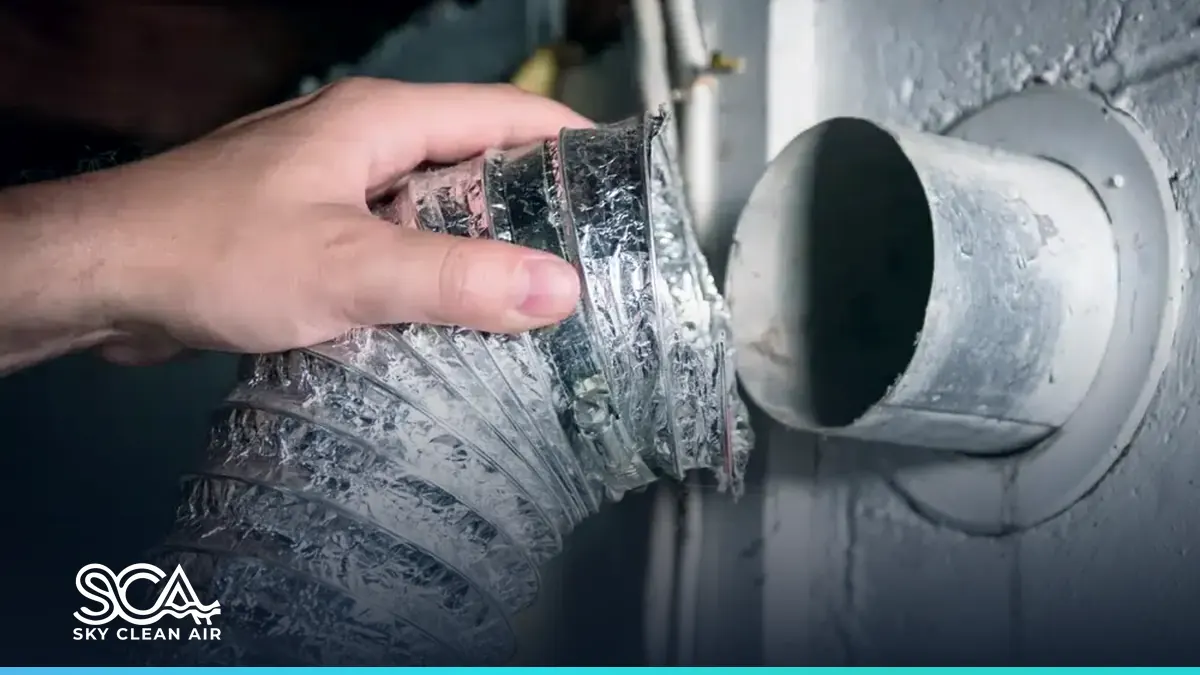
- Duct type and condition: flex duct needs gentler tools than sheet metal, and crushed or torn sections may need repair.
What happens during those few hours?
Most of the time goes into working through the system one branch at a time. A typical job looks like this:
- Walkthrough and inspection: finding the equipment, counting vents and checking duct condition.
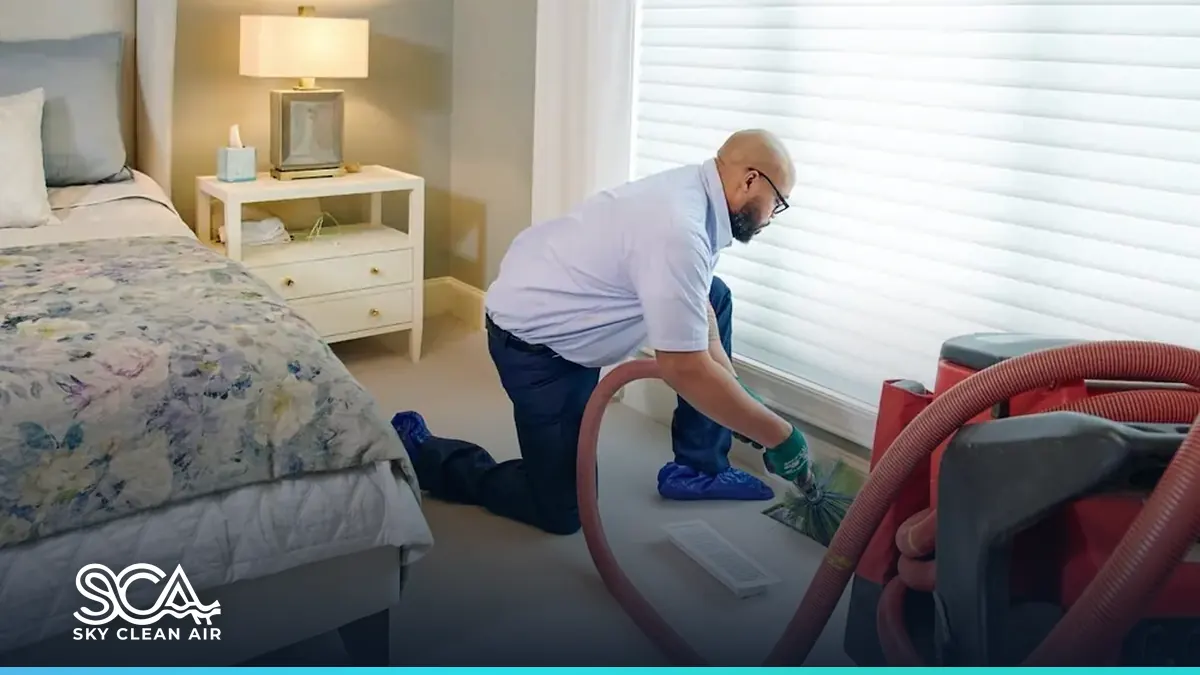
- Setup: protecting floors, sealing registers and connecting a powerful vacuum to the main trunk so the system is under negative pressure.
- Cleaning supply ducts: brushes or air whips loosen debris in each run while the vacuum pulls it out.
- Cleaning return ducts: returns often hold the most dust and get extra attention.
- Cleaning registers and grilles: covers are taken off, cleaned and put back.
- Final check: the system is turned back on and airflow is confirmed at each vent.
What adds time to a duct cleaning?
Some extra services are worth doing at the same visit, but they lengthen the day:
- Sanitizing after rodent activity or a musty smell
- Duct sealing or repair for disconnected or leaky runs in the attic
- Blower and coil cleaning if the equipment is dirty
- Dryer vent cleaning while the crew is already there
In older San Diego and Orange County tract homes, attic ducts are often original or have been patched several times. Finding a crushed run or a section that's fallen off a register boot is common, and fixing it on the spot takes extra time.
Why is a fast job a red flag?
If a crew is in and out in 30 to 45 minutes, they likely vacuumed the registers and maybe the first few feet of each duct without cleaning the full length or the returns. That kind of job won't do much for dust or airflow.
Ask what's included before you book, and ask to see before-and-after photos of a few duct runs. A real cleaning takes time because the whole system gets cleaned, not just what's visible from the room.
How often should ducts be cleaned?
There's no fixed schedule that fits every home. Many homeowners have it done every few years. It makes sense sooner if you've had remodeling or drywall work, rodents in the attic, water damage, or a home that sat empty for a while. Heavy wildfire smoke and dusty Santa Ana seasons are other common reasons.
A quick check is to take off a return grille and look inside with a flashlight. A light film of dust is normal. Thick, matted layers, debris or droppings mean it's time.
What should you do after the cleaning?
Put in a fresh filter and stay on a regular schedule for changing it. If the technician found leaky or disconnected ducts, get those fixed, because gaps in attic ducts pull in dust that undoes a cleaning quickly. Keeping registers clear and vacuuming return grilles every so often helps too.
How can I help the job go faster?
- Clear a path to the furnace or air handler and make the attic hatch easy to reach.
- Move furniture away from registers and return grilles.
- Keep pets in a closed room.
- Have a new filter on hand in the right size.
Our air duct cleaning team will give you a time estimate when you schedule and confirm it after the walkthrough. You can also check current specials before you book.