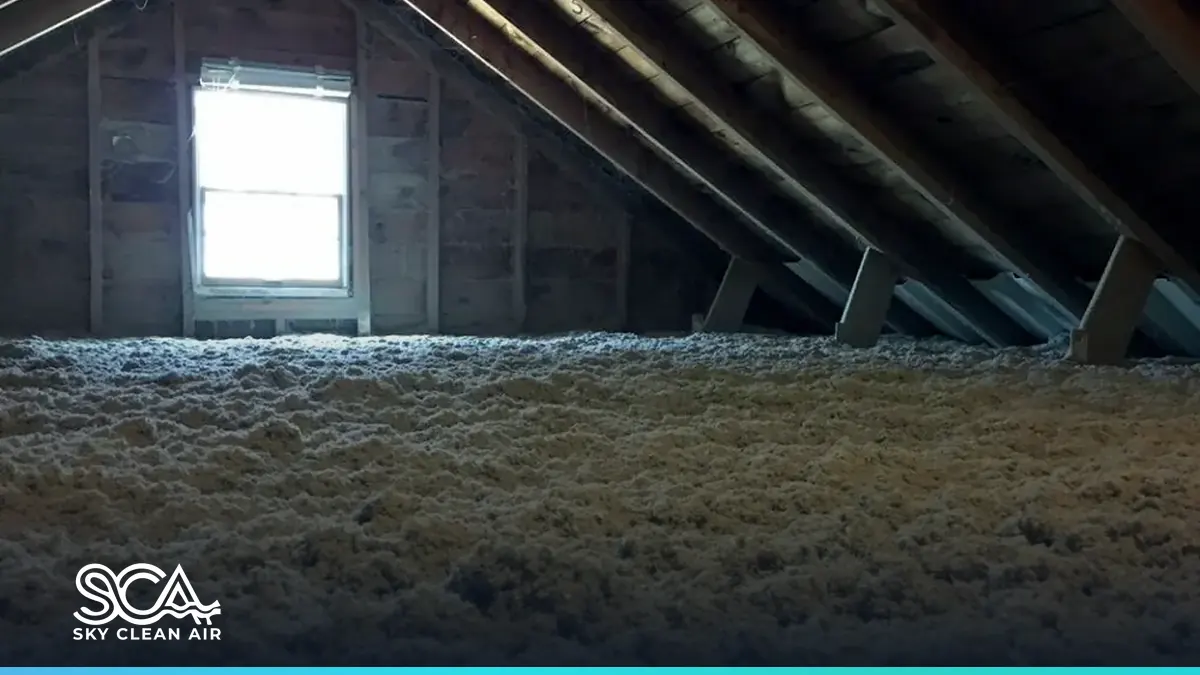
Insulation doesn't clean air, but replacing it often does make indoor air better. The improvement comes from what happens along with the new insulation: old dirty material gets hauled out, the attic gets cleaned, and the leaks that pull attic air into the house get sealed. Those steps cut down on dust, odors and allergens coming through the ceiling.
How does attic air get into my house?
Your ceiling isn't airtight. Leaky return ducts, exhaust fans and the pressure changes that happen when the HVAC system runs can all pull attic air down into the house through small gaps. Common leak points include:
- Recessed can lights and ceiling fan boxes
- The attic access hatch
- Gaps around plumbing vents, flues and wiring
- Top plates of interior walls
- Leaky ductwork and register boots in the ceiling
Whatever is up there, whether it's decades of dust, fiberglass fibers, rodent waste or smoke residue, can follow that air into your rooms.
When does replacing attic insulation help air quality the most?
The biggest difference shows up when the old insulation is part of the problem. That's often the case if:
- Rodents have nested in it or left droppings and urine
- It's matted down, dusty and breaking apart
- It got wet from a roof leak and smells musty
- Smoke from a nearby wildfire settled into it during a Santa Ana event
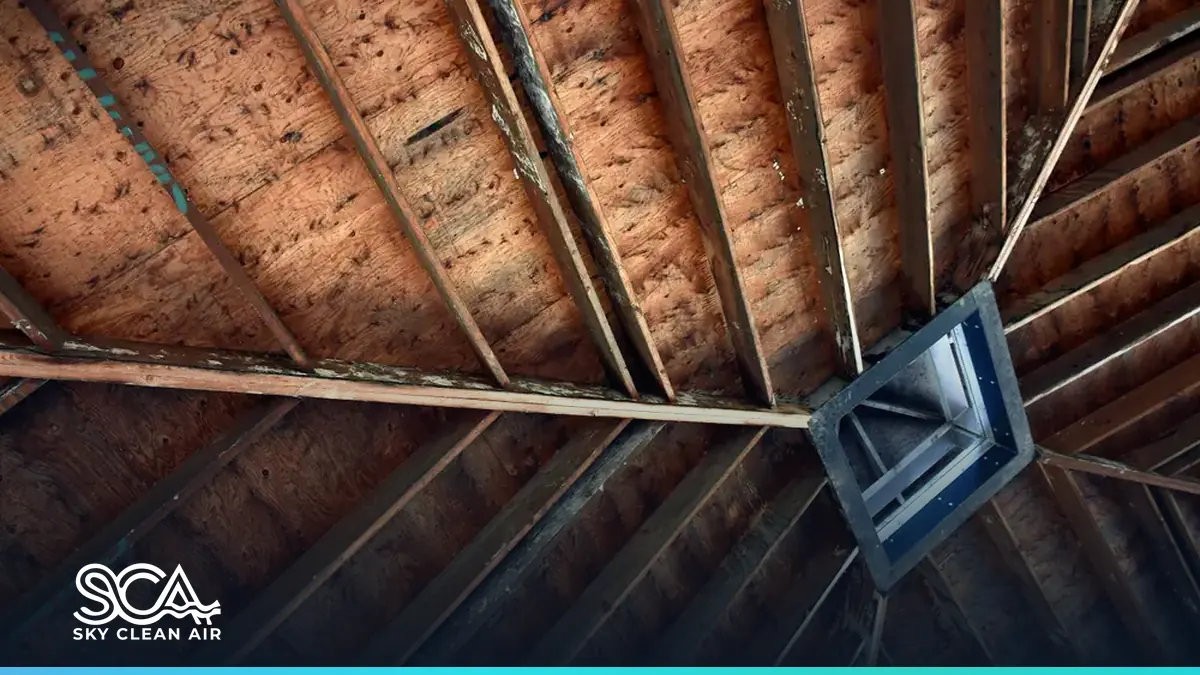
- There are signs of mold on the roof decking above it
In those cases, removing the old material and cleaning the attic takes away a source of contamination that was sitting right above your ceiling.
Why is air sealing the part that matters?
Air sealing is where the air quality benefit really comes from. Before new insulation goes in, the open attic floor is the easiest time to seal penetrations with foam, caulk and covers rated for the job. Once insulation is blown in on top, those gaps are buried and hard to reach.
Sealing also helps your HVAC system. Many San Diego homes have ducts in the attic, and sealing leaky duct joints and register boots keeps attic air out of the system. That one step can do more for indoor air than any amount of extra insulation. Our attic insulation service includes cleaning, air sealing and new insulation as one project.
Does insulation help with wildfire smoke and outdoor pollution?
A well-sealed attic floor helps keep smoke from seeping in through the ceiling during fire season. It isn't a filter, though. During smoky days you still want windows closed, a good filter in your HVAC system and possibly a portable or whole-home air purifier.
Insulation also keeps the house cooler on hot inland days, so the AC runs in steadier cycles and moves air through the filter more evenly. That's a small benefit, but a real one.
Can new insulation make indoor air worse?
It can if the job is done carelessly. Blowing insulation without sealing the ceiling first can push fibers into the house. Covering up rodent waste instead of removing it locks the contamination in place. And stuffing insulation into soffit vents blocks attic ventilation, which traps heat and moisture.
A good installer cleans first, seals second and insulates last, while keeping the attic vents and any fuel-burning appliance clearances open.
How do I know if my attic needs work?
You don't need to crawl up there to spot the common warning signs. Look for these from inside the house:
- Dust that comes back quickly after cleaning, especially near ceiling registers
- A musty or sour smell that's stronger upstairs or when the HVAC runs
- Upstairs rooms that get very hot on summer afternoons
- Scratching or scurrying sounds in the ceiling at night
- Dark streaks around ceiling vents or the edges of the attic hatch
If you do look in the attic, insulation that's thin enough to see the ceiling joists, matted down or stained is due for attention. A technician can measure what's there and check for leaks and contamination.