Duct cleaning is a one-time reset, and an air purifier is ongoing filtration. One removes what has built up inside the system. The other catches particles as they float through the house. Which one you need first depends on where your air problem is coming from.
What does duct cleaning do that a purifier can't?
Duct cleaning physically removes material stuck inside your HVAC system: dust, pet hair, drywall dust, rodent droppings, nesting material and smoke residue. A purifier can't reach any of that. As long as the debris sits in the ducts, the system can keep stirring some of it into the air.
Duct cleaning makes the most sense when:
- You've just finished a remodel
- Rodents or insects have been in the attic or ductwork
- You can see buildup inside the ducts or behind register covers
- Dust puffs out when the system starts
- You moved into a home with an unknown maintenance history
- Smoke odor keeps coming back when the system runs
What does an air purifier do that duct cleaning can't?
Clean ducts don't stop new particles from coming in. Pollen blows in through doors and windows, pets shed every day, cooking puts particles in the air, and wildfire smoke can seep into even a closed-up house. A purifier keeps catching that, day after day.
An air purifier makes the most sense when:
- Someone in the home has allergies or asthma
- You have pets that shed
- You live near a busy road or construction
- Smoke from Santa Ana fire seasons is a regular concern
- You want cleaner air in a bedroom or nursery
How do the two compare side by side?
| Duct cleaning | Air purifier | |
|---|---|---|
| What it targets | Buildup inside the ducts and system | Particles floating in the air |
| How often | As needed, often years apart | Runs daily |
| Coverage | Whole duct system | One room, or the whole home if installed in the HVAC system |
| Ongoing upkeep | Regular filter changes | Filter or lamp replacement |
| Best for | Remodels, rodents, smoke residue, unknown history | Allergies, pets, smoke days, daily dust |
Is a whole-home air purifier a middle ground?
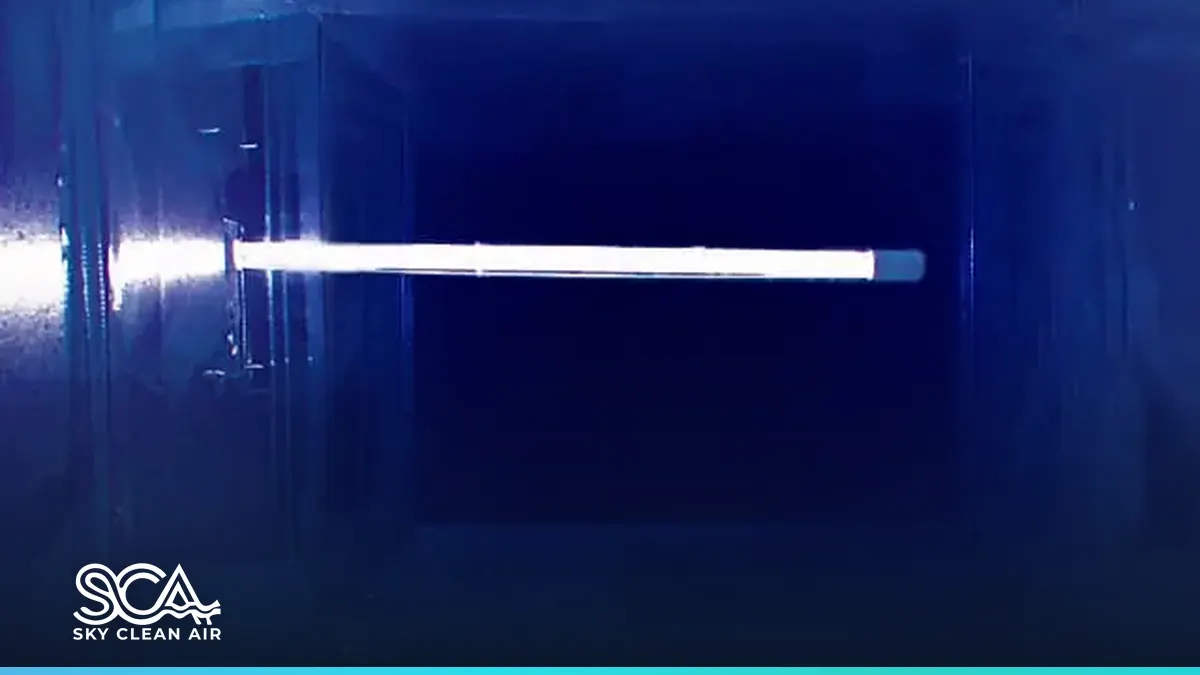
In many homes, yes. Whole-home options are installed in the HVAC system and treat air every time the fan runs. That includes higher-efficiency media filters, electronic air cleaners and UV lights that keep the coil free of mold. They cover the whole house instead of one room and don't take up floor space.
They work best in a clean, well-sealed system. Putting a high-end filter on dirty, leaky ducts is like mopping with the door open. Our indoor air quality team can look at your system and tell you whether it can handle a better filter or needs other changes first.
What should you look for in each?
For duct cleaning, ask whether the crew cleans both supply and return ducts and uses a collection unit under negative pressure. Cleaning only the registers, or blowing debris around without containment, doesn't do much.
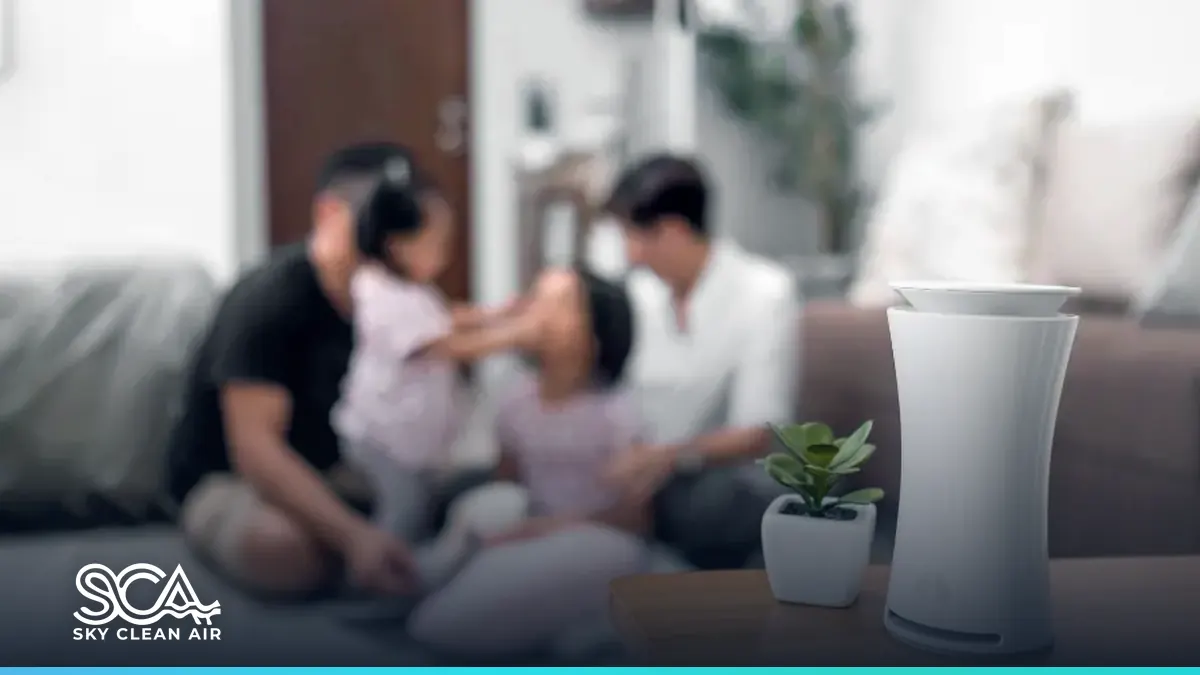
For a portable purifier, look for a true HEPA filter, a Clean Air Delivery Rate that matches the room size, and a carbon filter if odors or smoke are a concern. Skip units that make ozone on purpose. For a whole-home option, make sure it's matched to your blower and duct size so it doesn't choke airflow.
Which should you do first?
Use this simple order:
- Check the ducts. If there's real buildup, contamination or damage, clean and repair them first.
- Seal leaks. Leaky returns in the attic or garage pull in dust that no purifier keeps up with.
- Upgrade filtration. Add a better HVAC filter or a whole-home purifier for ongoing protection.
- Add portable units where needed. A HEPA purifier in a bedroom helps on smoke days or during allergy season.
If your ducts look fine, you can skip straight to filtration. A technician can tell you which step you're on during a free estimate.