Air duct cleaning in San Diego is worth doing when there's a reason, and local homes give us a few common ones. Most systems here have ducts running through hot attics, many neighborhoods see wildfire smoke during Santa Ana season, and roof rats get into attics all over the county. Any of those can leave the inside of your ducts dirtier than a filter alone can handle.
When do San Diego homes need duct cleaning?
These are the situations we see most often:
- After a remodel. Drywall dust and sawdust get into open registers and returns.
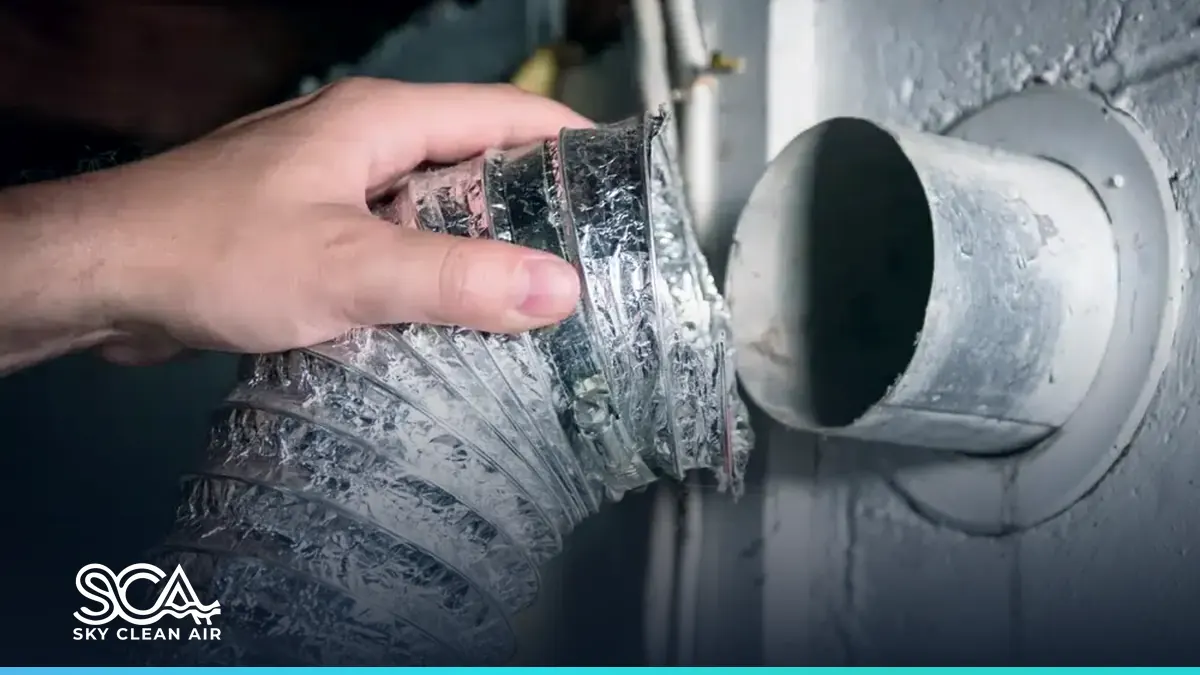
- After rodents in the attic. Roof rats and mice chew into flex ducts and leave droppings inside.
- After wildfire smoke. Smoke residue and odor can linger in the ducts and come back each time the system runs.
- When you move in. You don't know how the previous owners maintained the system or whether they had pets.
- When dust keeps coming back. Registers that turn gray quickly or puff dust at startup point to buildup inside.
- When there's a musty smell. Moisture problems near the coil or in the ducts should be checked and fixed.
How do local homes affect duct cleaning?
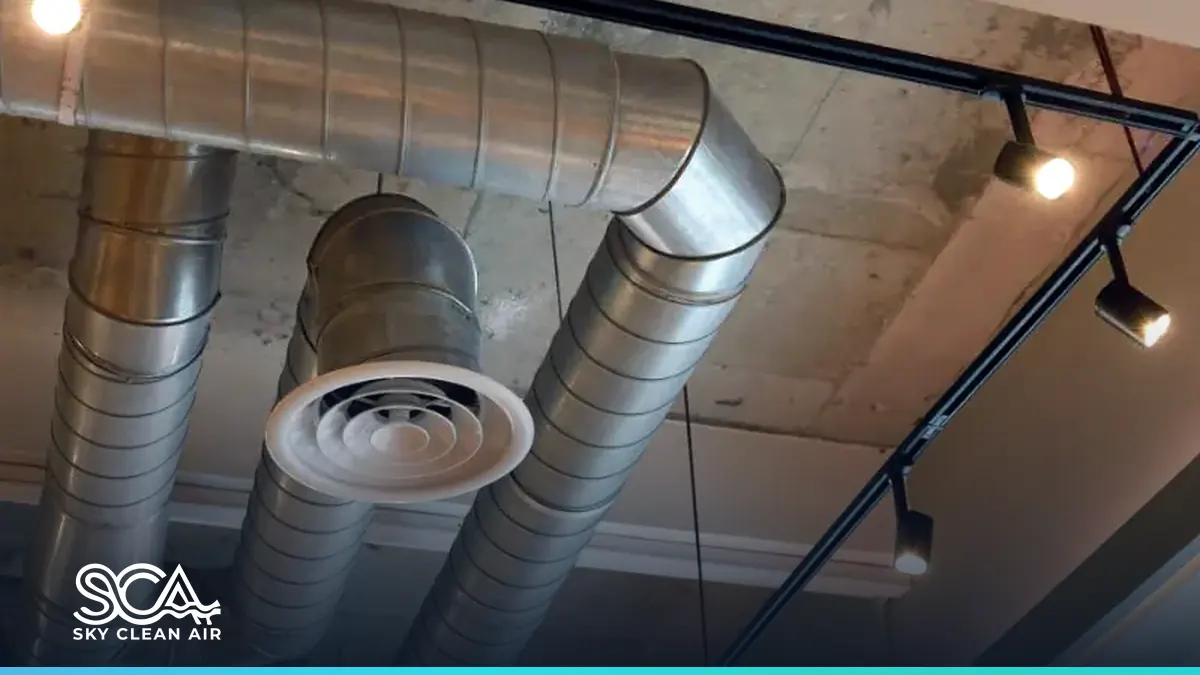
Very few San Diego houses have basements, so the furnace or air handler usually sits in the attic, garage or a hall closet, and the ducts usually run through the attic. Attic ducts deal with high summer heat, especially inland, which can dry out tape and loosen connections over time.
In older stucco tract homes, we often find a mix of original metal duct and newer flex duct, with joints that have started to leak. Leaky returns pull attic dust and insulation fibers into the system, so inspection for leaks is part of every good cleaning. Near the coast, the marine layer keeps coils and drain pans damp, which is where musty smells often start.
What does a proper duct cleaning include?
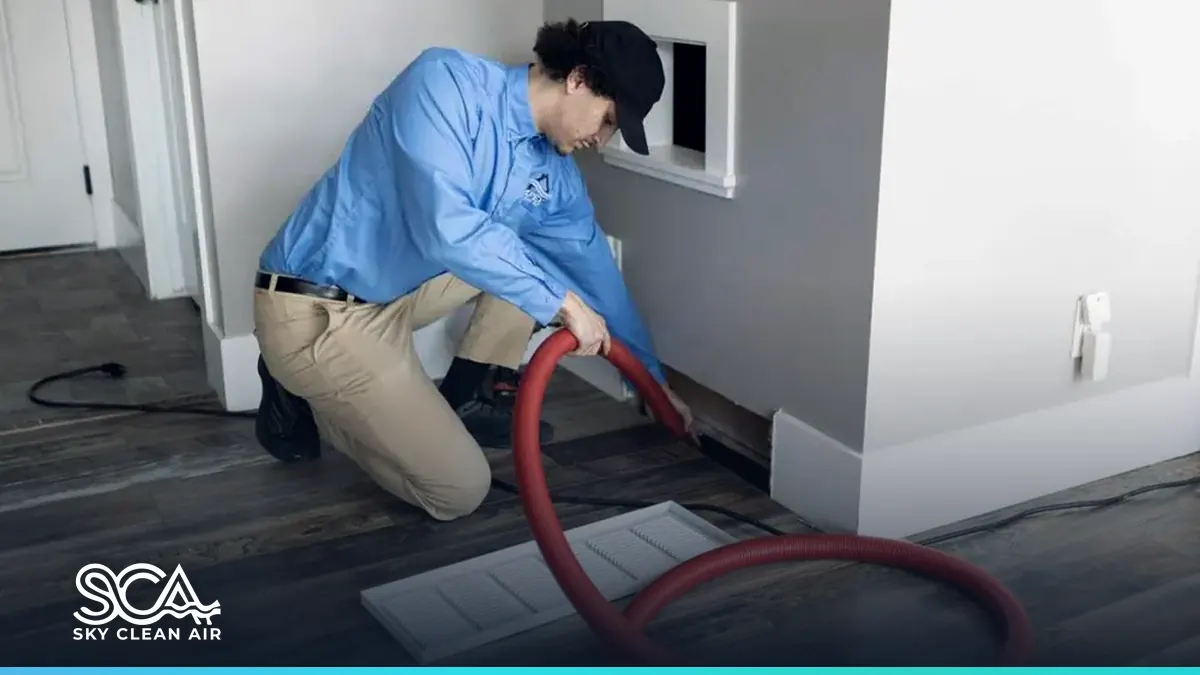
A thorough job goes well beyond wiping off the vent covers. Our air duct cleaning service follows this process:
- An inspection of the ducts, return, blower and coil area to confirm what needs attention
- Protecting floors and covering registers
- Connecting a high-powered collection unit to put the duct system under negative pressure
- Agitating each supply and return line with brushes or air whips so debris gets pulled into the collector
- Cleaning the return plenum, registers and grilles
- Optional sanitizing when there's been rodent contamination or mold
- Checking for crushed, torn or disconnected ducts and showing you what we find
Badly damaged flex duct, especially duct that rodents have chewed through, is usually better replaced than cleaned. We'll tell you when that's the case.
How often should ducts be cleaned in San Diego?
There isn't a set interval that fits everyone. Many homes go years between cleanings without a problem. Homes with pets, allergy sufferers, frequent smoke exposure or a history of rodents may benefit from an inspection every few years. The best guide is what you see and smell, plus what a technician finds inside.
Between cleanings, change your filter on schedule, keep return grilles clear and get attic rodent problems handled quickly. Those habits keep ducts cleaner for longer.
During fire season, consider setting the fan to circulate with a fresh, higher-rated filter in place, and swap that filter once the smoke clears. It catches smoke particles before they settle in the ducts.
What should you ask before booking duct cleaning?
- Will you clean both the supply and return ducts?
- Do you use a collection unit under negative pressure?
- Will you inspect the system and show me what you find?
- What happens if you find damaged or leaky ducts?
- Is sanitizing included, or only offered when needed?
We serve homes throughout San Diego County and Orange County from our office in Kearny Mesa. Estimates are free, and you can check our specials page for current duct cleaning offers.