Rodents leave a crawl space for good only when three things happen: the ones inside are removed, the mess they made is cleaned up, and the doors they used are closed. Most failed rodent jobs skip the last two. Traps catch the current tenants, but the smell and the open gaps invite the next ones.
How do I know rodents are in my crawl space?
You may never see one. Rats and mice are active at night and stay out of sight. Watch for these signs instead:
- Scratching or scurrying under the floor, mostly in the evening or early morning
- Droppings near the crawl space access, along walls or on ductwork
- An ammonia smell inside the house, especially near floor registers
- Torn vent screens, chewed foundation vents or fresh dirt pushed out of holes
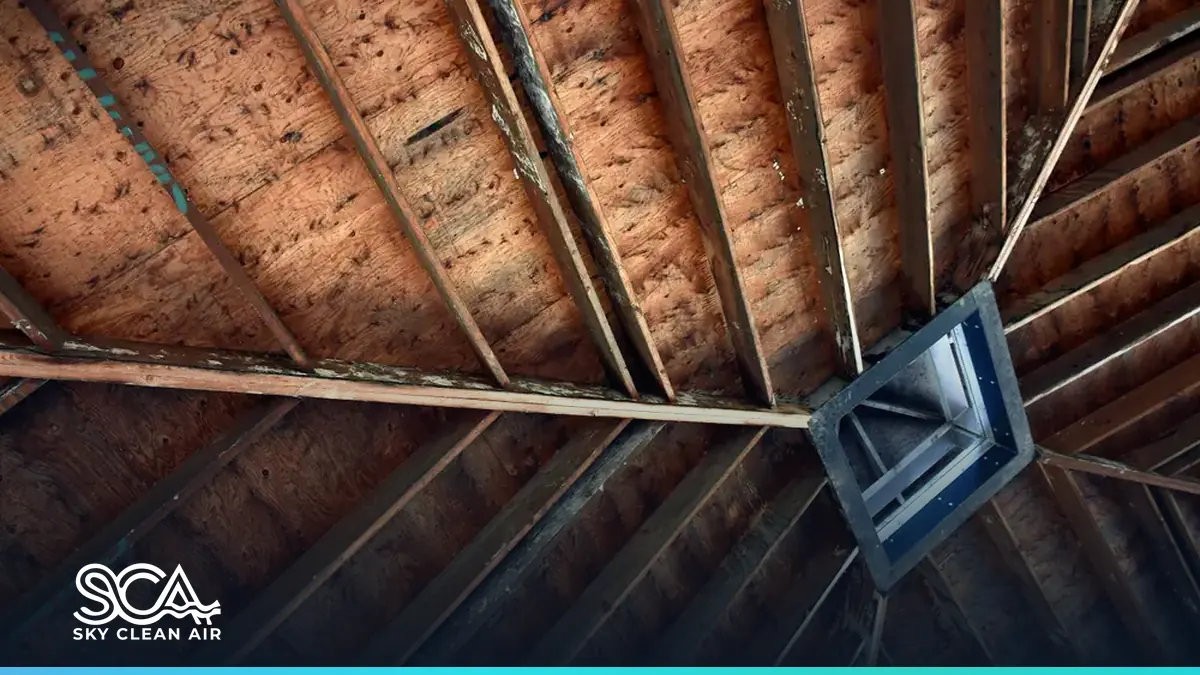
- Shredded insulation or flex duct with holes in it
- Your pets suddenly staring at or sniffing the floor in one spot
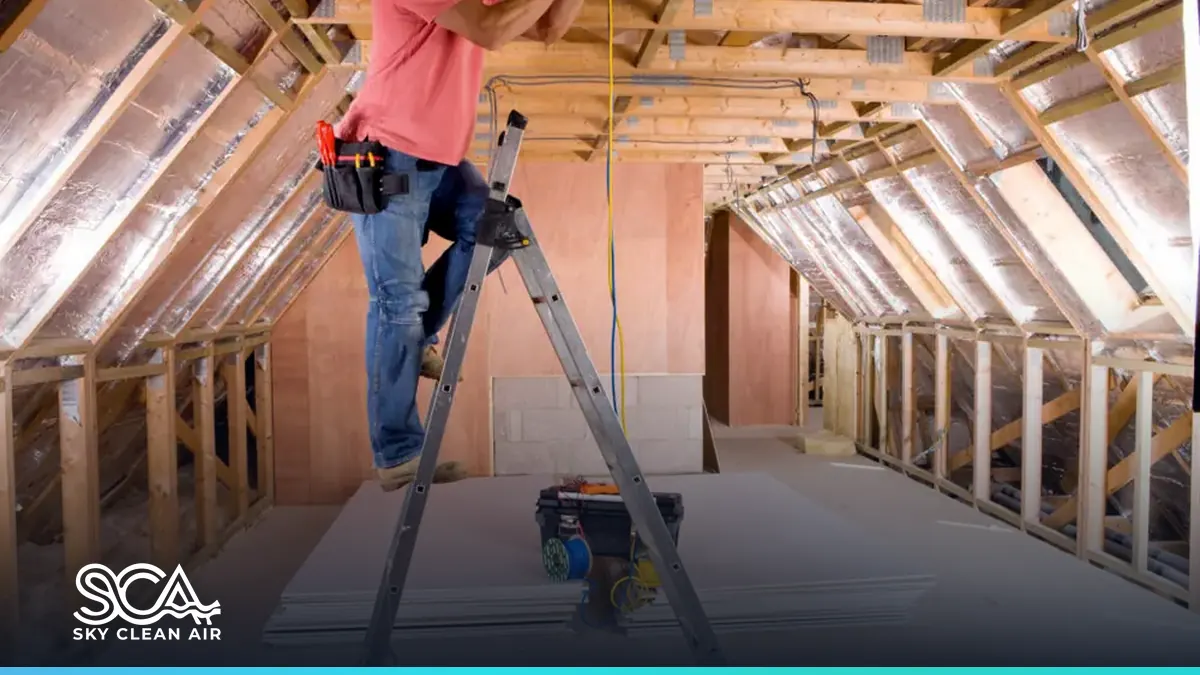
Roof rats are common in San Diego County, and they're climbers, so if they're under the house, check the attic too. Mice can squeeze through gaps about the size of a pencil, so small openings count.
What's the right order for removing rodents?
- Inspect. Walk the outside of the foundation and the inside of the crawl space to find every entry point and active area.
- Remove the rodents. Snap traps in protected stations work well under a house. Poison is a poor choice here because rodents often die in hard-to-reach spots and leave a smell that lingers for weeks.
- Seal entry points. Use hardware cloth, metal vent screens and sealant rated for pests. Rodents chew through foam, plastic and window screen.
- Clean up. Remove droppings, nests and contaminated insulation, then sanitize the soil and framing.
- Restore. Replace insulation, repair damaged ducts and lay down a new vapor barrier if the old one is torn or soiled.
Some crews seal first and trap second. Either order can work as long as you keep trapping until activity stops completely.
Is it safe to clean up rodent droppings myself?
We don't recommend it in a crawl space. Rodent droppings and urine can carry hantavirus and other diseases, and the risk comes from breathing dust when dried droppings are disturbed. A tight crawl space with poor airflow is about the worst place to do that.
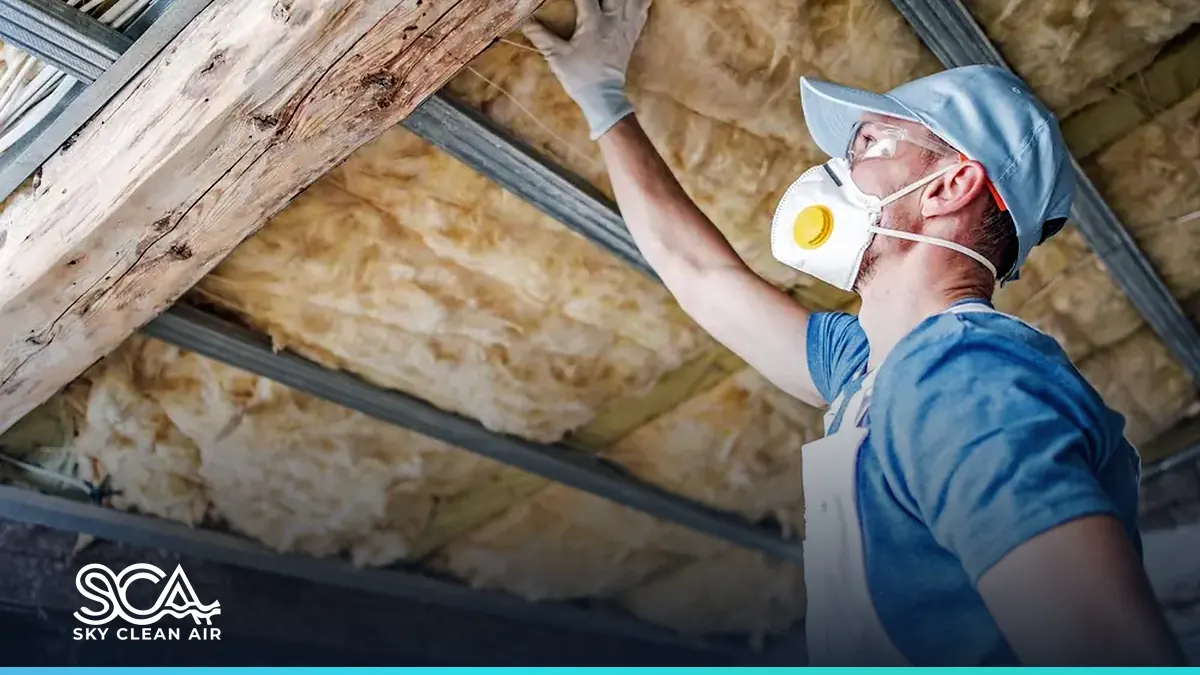
If you do handle a small spot, never sweep or vacuum it dry. Wear gloves and a properly fitted respirator, soak the area with a disinfectant, let it sit, then wipe it up and bag it. For anything bigger than a few droppings, or for soiled insulation, call in a crew with the right protection. Our rodent cleanup service handles removal, sanitizing and sealing as one job.
Where do rodents get into crawl spaces?
The common entry points under San Diego and Orange County homes are:
- Foundation vents with rusted, bent or missing screens
- Gaps where plumbing, gas lines and wiring pass through the foundation
- Loose or broken crawl space access doors
- Openings around AC line sets and condensate drains
- Gaps along the bottom edge of stucco walls
Thick ivy, stacked firewood and fruit trees close to the house give rodents cover and food, so trimming back vegetation helps your sealing work last.
Can rodents damage my ductwork?
Yes, and it's one of the more expensive surprises. Rodents chew flex duct to nest in the insulation, and a torn supply duct dumps cooled or heated air under the house. A torn return duct is worse, since it pulls crawl space air, dust and odor into the system.
After the rodents are gone, have the ducts inspected. Damaged runs should be repaired or replaced, and in some homes duct cleaning makes sense once the contamination source is fixed.
How do I keep rodents out once they're gone?
Prevention is mostly about removing reasons to visit. Keep pet food and birdseed sealed and indoors, pick up fallen fruit, and keep trash cans closed tight. Store firewood off the ground and away from the foundation.
Check your foundation vents and the crawl space door a couple of times a year, especially after yard work or any repair that involved crawling under the house. Plumbers, cable installers and pest crews sometimes open a vent screen and don't close it properly. A quick walk around the house with a flashlight catches most problems before new rodents find them.
If you hear activity again, act quickly. A single new mouse is a much smaller job than a nest that's had a season to grow.