
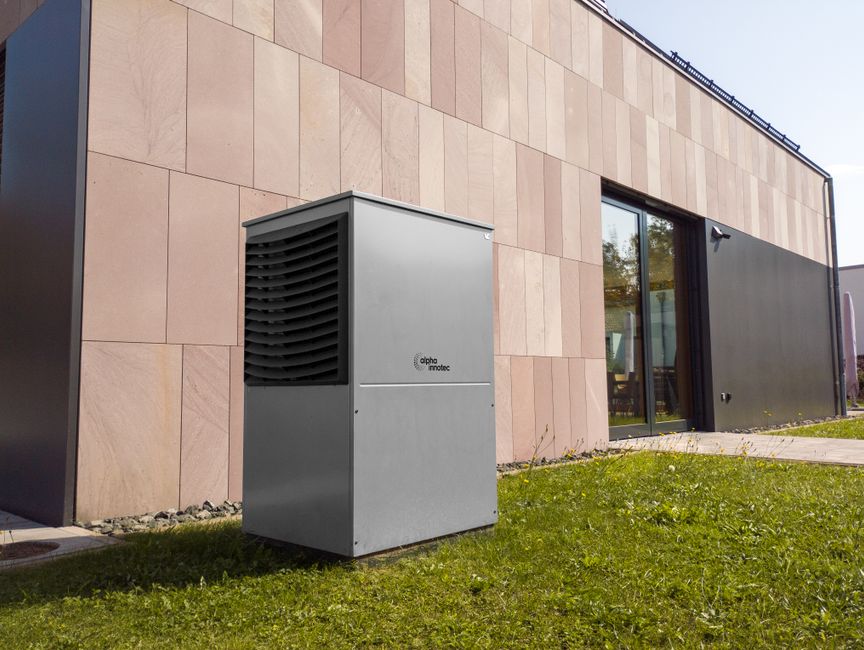
Right now — October through early December in San Diego County — is the ideal window to check your heat pump. Skipping a fall check can mean higher energy bills and a failed system on a cold night: a malfunctioning reversing valve or low refrigerant can leave you without heat when temps dip into the 40s inland.
\n\nQuick checklist: fall heat pump tasks
\n- \n
- Change or inspect air filters (DIY): Replace disposable filters every 1–3 months or clean reusable ones. A clogged filter reduces airflow and makes the system run longer and work harder. \n
- Check thermostat settings and batteries (DIY): Confirm heat mode, setback schedule, and replace batteries. Incorrect programming or a failing thermostat can make the system run inefficiently. \n
- Clear outdoor unit and check fins (DIY to light pro): Remove leaves, debris, and mop up sprinklers. Bent fins reduce airflow; minor fin straightening helps, but major damage needs a pro. Coastal salt spray near San Diego Harbor can corrode fins faster. \n
- Inspect refrigerant lines and listen for odd noises (pro): Hissing or gurgling often means low refrigerant or a leak; a rattling or clunking could be a failing compressor or loose mount. San Diego homes with older R-22 systems are more likely to need refrigerant work. \n
- Test heating performance and defrost cycle (pro): Measure supply-air temp rise and run a timed heat cycle. If the outdoor unit stays frosted long or the defrost runs constantly, the defrost control or sensors may need repair. \n
- Check electrical components and capacitors (pro): Failed capacitors or contactors are common causes of no-start or weak airflow. These parts are inexpensive but require a licensed tech to handle safely. \n
- Inspect ductwork for leaks and insulation (DIY to pro): Look in attics and crawlspaces for disconnected joints and missing insulation. Leaky ducts waste heat in older San Diego bungalows and increase run times. \n
- Schedule a tune-up and safety check (pro): A pro should inspect airflow, refrigerant charge, electrical safety, and controls. Sky Clean Air also offers a $29 furnace safety inspection, a low-cost starting point for homes with a dual-fuel (heat pump plus furnace) system. \n
How a heat pump check differs from a furnace tune-up
\nUnlike gas furnaces, heat pump service focuses on refrigerant charge, reversing-valve operation, and outdoor-unit defrosting. Furnaces need combustion checks, burner flame inspection, and carbon-monoxide safeguards; heat pumps do not. For heat pumps, techs will measure superheat/subcooling with gauges, check compressor amperage, and verify SEER2-rated performance where applicable. If your home in coastal Orange County has higher humidity, the tech may also check coil cleanliness more closely because salt and moisture accelerate fouling.
\n\nSymptoms, likely causes, and what to do first
\nMap of common winter problems ordered by likelihood:
\n- \n
- Weak or no heat: Most likely causes are a dirty filter, thermostat setting, or tripped breaker—check these first (DIY). If those are fine, low refrigerant or a failing compressor is likely—call a pro. \n
- Short cycling: Could be an oversized unit, bad thermostat, or low refrigerant. Note unit age: if the heat pump is over 12 years old and repair costs exceed about 50% of a replacement quote, replacement is often advised. \n
- Freezing or heavy frost on the outdoor unit: Normal during defrost for short periods, but prolonged frosting suggests faulty defrost controls or poor airflow from dirty coils—pro check. \n
- Unusual noises: Buzzing or clunking can be electrical or mechanical; humming may point to a weak capacitor. Electrical checks should be done by a licensed technician. \n
- Higher-than-expected bills: Check filter, thermostat schedule, and run-time hours. If those are normal, leaky ducts or falling SEER2 performance due to age or low refrigerant may be the cause. \n
Repair vs. replace: quick economics
\nRule of thumb: if the system is under 8 years old, repairs are usually cost-effective. Between 8 and 12 years, it depends on repair cost vs. replacement efficiency gains. Over 12 years, replacement is often the better economic choice. National average replacement cost ranges for a whole-home heat pump run roughly $5,000–$15,000 depending on size (tonnage), SEER2 or HSPF2 rating, and whether ducts need work. Duct repairs or a duct replacement can add to the cost depending on complexity and access.
\n\nMaintenance cadence and local notes
\nReplace or clean filters every 1–3 months. Have coils cleaned and refrigerant checked annually before winter—late October is ideal in San Diego and Orange County. Dryer vent cleaning is also a good fall task; clogged vents increase dryer run time and fire risk. Homes near the coast may need more frequent checks for corrosion and salt buildup; inland valleys with larger day-night temperature swings should watch for cycling and thermostat setbacks.
\n\nIf you do nothing else: replace or thoroughly inspect the air filter and check thermostat settings now. That single step fixes the most common problems and often restores normal heating performance immediately.