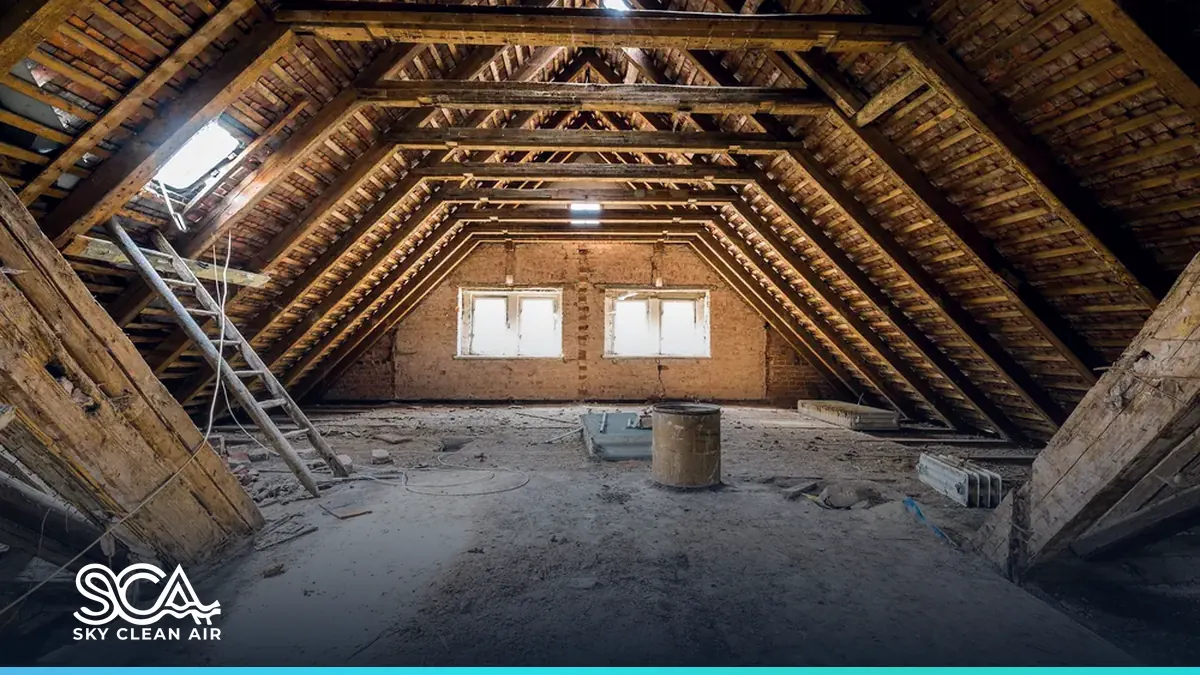
In many Southern California homes, the attic is where a lot of energy is lost. On a summer afternoon, a dark roof bakes the attic, and that heat pushes down through the ceiling into your rooms. On a cold winter night, warmth from the house escapes upward. Insulation slows both, which is why it's one of the more effective upgrades for comfort and energy use.
How does attic insulation save energy?
Insulation resists heat flow. Its effectiveness is measured in R-value, and higher numbers resist heat better. With the right amount of insulation on the attic floor, less heat moves between the attic and your living space. Your air conditioner doesn't have to work as hard in summer, and your furnace or heat pump doesn't run as long in winter.
Insulation also makes the house more comfortable. Ceilings stay cooler on hot days, upstairs rooms are less likely to overheat, and temperatures hold steadier through the day.
Which homes save the most?
- Older homes with thin insulation. Many older tract homes were built with much less insulation than is recommended today, and what's there has often settled.
- Homes with damaged insulation. Rodents, water leaks and foot traffic compress and contaminate insulation, which reduces its R-value.
- Inland homes. Hot summers mean the AC runs a lot, so reducing attic heat gain has a bigger payoff.
- Two-story homes with hot upstairs rooms. Better insulation can narrow the temperature difference between floors.
- Homes with ducts in the attic. Ducts lose energy in a hot attic. Better insulation and sealing reduce that loss.
A coastal home with mild temperatures and moderate AC use will still see comfort benefits, but the energy savings tend to be smaller.
Why does air sealing matter?
Insulation slows heat moving through materials, but it doesn't stop air from leaking. Gaps around light fixtures, wiring holes, plumbing vents, top plates and the attic hatch let conditioned air escape into the attic and let hot, dusty attic air into the house. Sealing those gaps before adding insulation makes the insulation more effective and can reduce dust and drafts.
What about the ducts?
When ducts run through a hot attic, leaks and thin duct insulation waste a lot of the energy your system uses. Even the best attic floor insulation won't help much if cool air is leaking out of a disconnected duct above it. That's why we look at the ducts during an insulation inspection. Sealing leaks and repairing damaged ducts often go hand in hand with insulating. Our duct sealing and repair service covers that side.
How do you know if you need more insulation?
- Look at the depth. If you can easily see the tops of the ceiling joists, you probably need more.
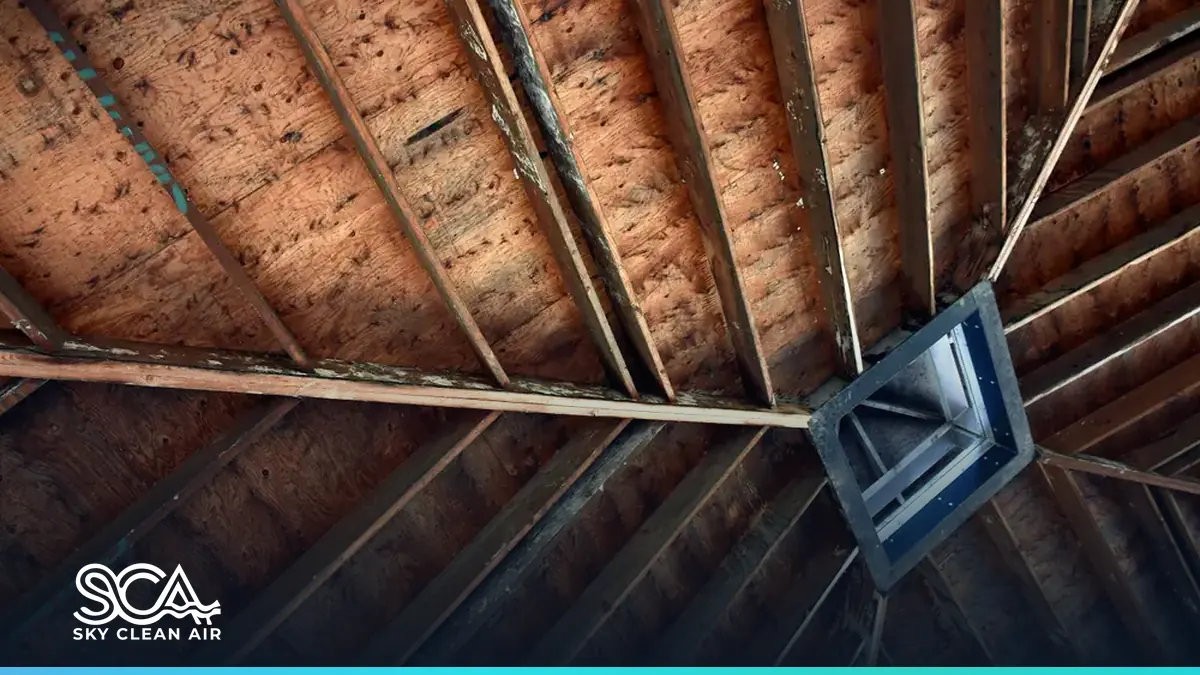
- Check for gaps and damage. Bare spots, matted areas, tunnels or droppings mean insulation isn't doing its job.
- Notice comfort. Hot upstairs rooms, ceilings that feel warm in the afternoon or a system that runs constantly are clues.
- Look at your bills. High summer cooling costs compared to similar homes can point to an attic problem.
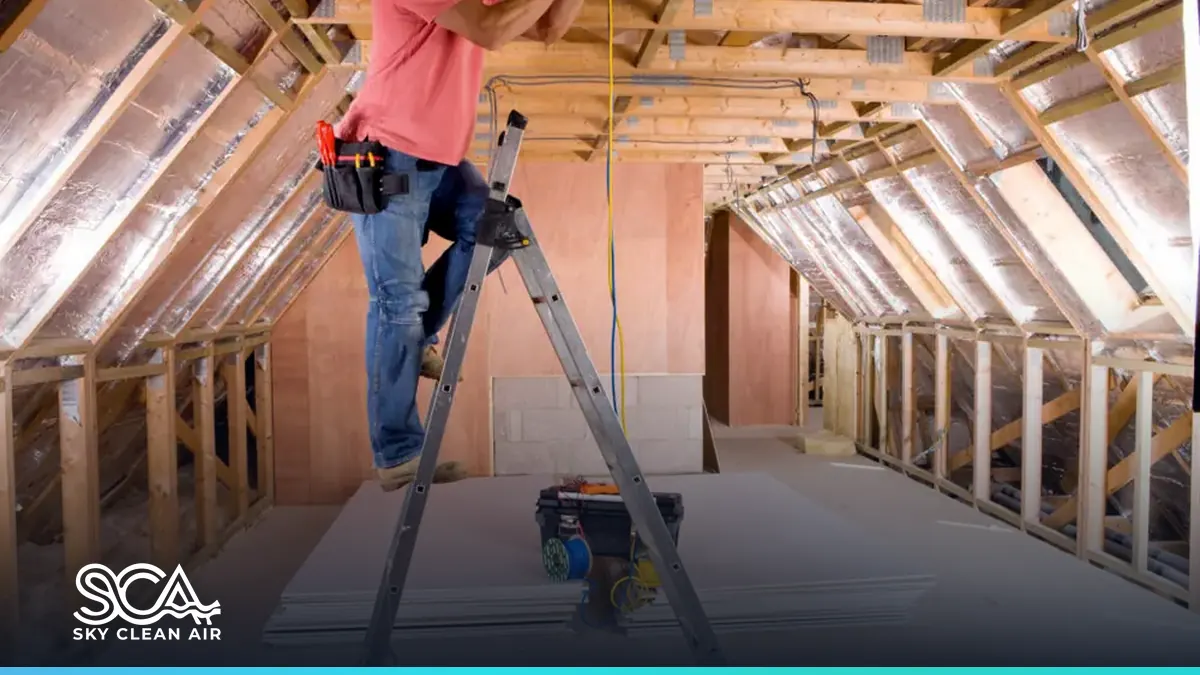
Be careful if you look into the attic yourself. Only step on joists or walk boards, and don't disturb insulation if you see signs of rodents.
Does insulation help with noise and dust too?
A deeper, even layer of insulation on the attic floor dampens some outside noise, like traffic and aircraft overhead. Paired with air sealing, it also cuts down on the dusty attic air that gets pulled into the house through gaps around fixtures and the hatch. Those aren't the main reasons to insulate, but homeowners often notice them after the work is done.
What else helps an insulated attic perform?
- Good ventilation. Soffit and roof vents let heat and moisture escape. Baffles keep insulation from blocking soffit vents.
- A sealed, insulated attic hatch. An uninsulated hatch is a common weak spot.
- A properly sized HVAC system. After insulating, your heating and cooling load may be lower, which is worth knowing if you're planning a replacement.
Our attic insulation service includes inspection, removal of old or damaged insulation, air sealing and new insulation.