San Diego County covers a lot of climates in a short drive. A beach bungalow that only needs cooling a few weeks a year has very different needs from a two-story tract home inland where summer afternoons run hot. Picking the right system starts with how your home is built and how you actually use it.
What types of AC systems are there?
Central air conditioner with a furnace
This is the classic setup in many Southern California homes: an outdoor condenser, an indoor coil on top of a gas furnace, and ducts that run through the attic. It's a good fit if your ducts are in decent shape and you want to keep gas heat.
Heat pump
A heat pump looks like a central AC but can run in reverse to heat the house. Our mild winters suit heat pumps well, and they let you cool and heat with one outdoor unit. Many homeowners pair a heat pump with their existing furnace as backup heat, while others go all-electric.
Ductless mini-split
Mini-splits use a small outdoor unit connected by refrigerant lines to one or more wall-mounted indoor heads. Each head can be controlled separately. They're a strong option for homes with no ducts, room additions, garage conversions, ADUs and upstairs rooms that never stay comfortable.
Ducted mini-split or compact air handler
Some homes have short duct runs or a small attic space. A compact ducted unit can serve a few rooms through hidden ducts while working like a mini-split.
Do you have ducts, and are they any good?
This question shapes the whole decision. If your home already has ducts, we look at their condition, size and layout. Older flex ducts in a hot attic are often crushed, disconnected or leaking, and a brand-new system connected to bad ducts won't perform the way it should.
If the ducts are sound, a central system or ducted heat pump is usually the most straightforward choice. If they're in poor shape, the options are to repair or replace them, or to skip ducts entirely with ductless units. Homes that never had ducts, which includes plenty of older coastal homes, usually come out ahead with mini-splits.
How big should the system be?
Bigger isn't better. An oversized system cools the house quickly, shuts off, and starts again a few minutes later. That short cycling wastes energy, wears parts and leaves the air feeling clammy because the system never runs long enough to pull out moisture. An undersized system runs constantly on hot days and can't keep up.
The right size comes from a load calculation that accounts for:
- Square footage and ceiling height.
- Attic insulation and air sealing.
- Window size, type and which way they face.
- How many people live in the home.
- Your location, from coastal to inland.
- Duct location and condition.
Be wary of anyone who sizes a system by square footage alone or simply matches what was there before. The original system may have been the wrong size from the start.
Which features matter most here?
A few features make a real difference in Southern California homes:
- Variable-speed or two-stage operation. These systems run longer at lower output, which evens out temperatures between rooms and floors and controls humidity better.
- Zoning. Two-story homes often fight hot upstairs and cool downstairs. Zoning or separate systems can balance that.
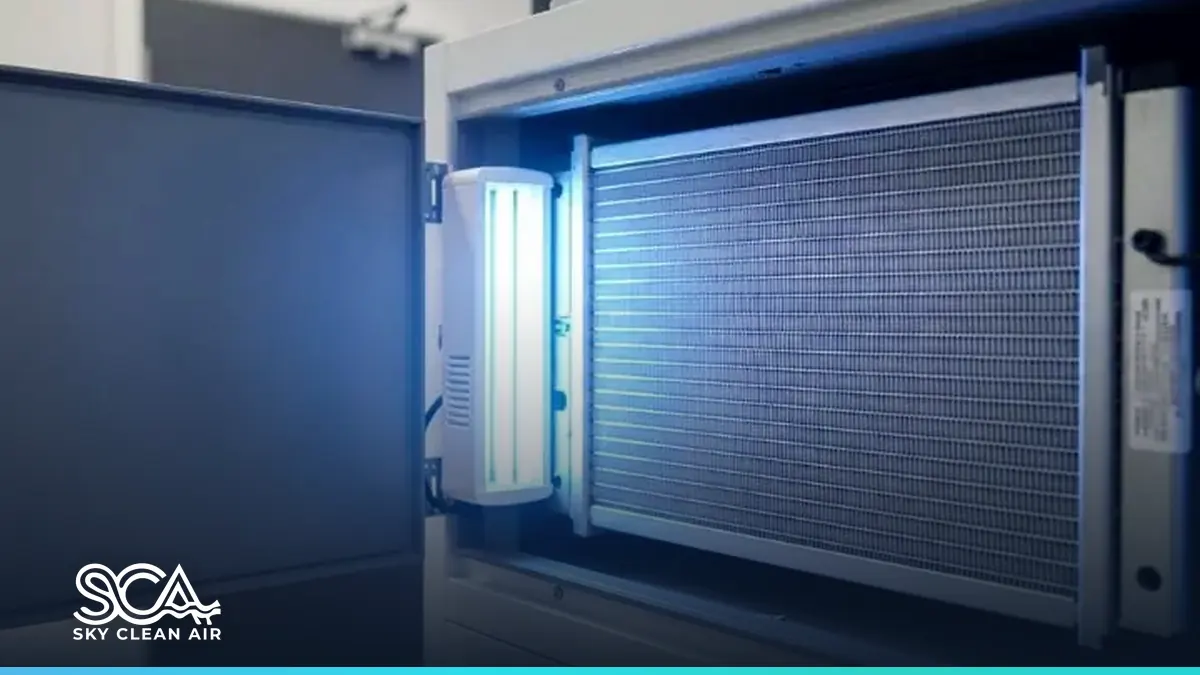
- Filtration. Wildfire smoke and Santa Ana dust make a good filter cabinet worth considering.
- Corrosion protection. Near the coast, salt air is hard on outdoor coils. Placement and coil protection can extend the life of the unit.
- Quiet operation. Tract homes often put the outdoor unit in a narrow side yard close to a neighbor's bedroom window.
What about efficiency ratings?
Air conditioners and heat pumps are rated by SEER2, and heat pumps also carry an HSPF2 rating for heating. Higher numbers mean lower operating costs, but the payoff depends on how much you run the system. A coastal home that rarely uses AC may not earn back the extra cost of the highest-rated unit, while an inland home that runs cooling all summer is more likely to.
Utility rebates and other incentives change over time, so ask about what's currently available when you get your estimate. You can also check our current specials.
How do you get a solid recommendation?
A good estimate starts with a visit, not a phone quote. We look at your existing equipment, your ducts, your attic and electrical panel, and we ask how the house feels in summer and winter. Then we explain the options that fit, along with the tradeoffs. You can learn more on our air conditioning installation page, and installation estimates are free.