Why is a dirty air filter such a big deal?
A clogged filter is one of the most common causes of HVAC trouble, and the easiest to prevent. It chokes airflow, which can make the AC coil freeze, the furnace overheat and shut off, and the blower motor work harder than it should. Check your filter monthly and change it when it looks gray.
What are the most common cooling problems?
- Clogged condensate drain. The AC pulls water out of the air, and that water drains through a small line. Algae and slime clog it, causing leaks, ceiling stains in attic installations or a system that shuts off on its safety float switch.
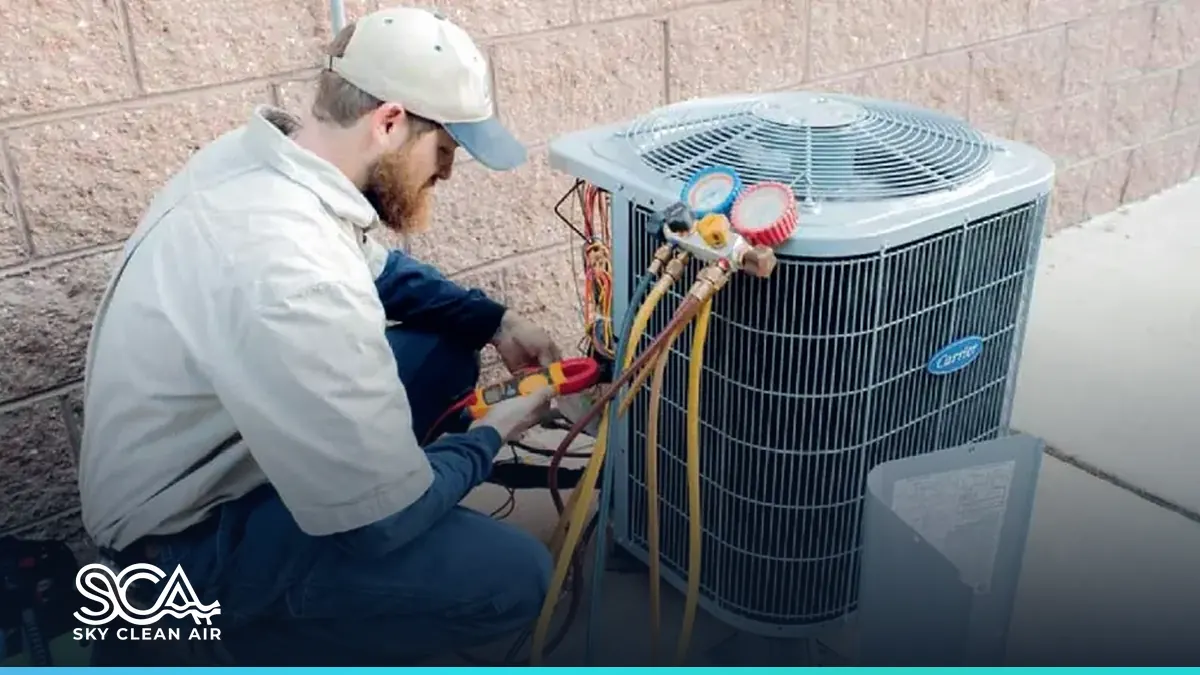
- Failed capacitor. Capacitors help start the compressor and fan motors. They weaken with heat, and attic and rooftop heat is hard on them. Symptoms include an outdoor unit that hums but won't start, or a fan that doesn't spin.
- Refrigerant leak. AC systems don't use up refrigerant. If it's low, there's a leak. Signs include warm air, ice on the copper lines and long run times. Refrigerant work requires a certified technician.
- Frozen coil. Usually caused by low airflow or low refrigerant. Turn the system off and let it thaw, then find the cause.
- Dirty outdoor coil. Dust, pollen, leaves and, near the coast, salt deposits block heat transfer. A Santa Ana wind event can leave a coil noticeably dirtier.
What are the most common heating problems?
- Dirty flame sensor. The furnace lights, then shuts off after a few seconds. A technician can clean or replace the sensor.
- Igniter failure. Modern furnaces use a hot surface igniter that can crack with age. No ignition means no heat.
- Overheating shutoffs. Often caused by a dirty filter or blocked return.
- Dusty first startup. A burning-dust smell for a few minutes after months off is normal. A smell that lingers or smells like burning plastic is not.
If you smell gas, don't touch the thermostat or light switches. Leave the house and call the gas utility from outside. If your carbon monoxide alarm sounds, get everyone out and call 911.
What other problems come up often?
Thermostat issues
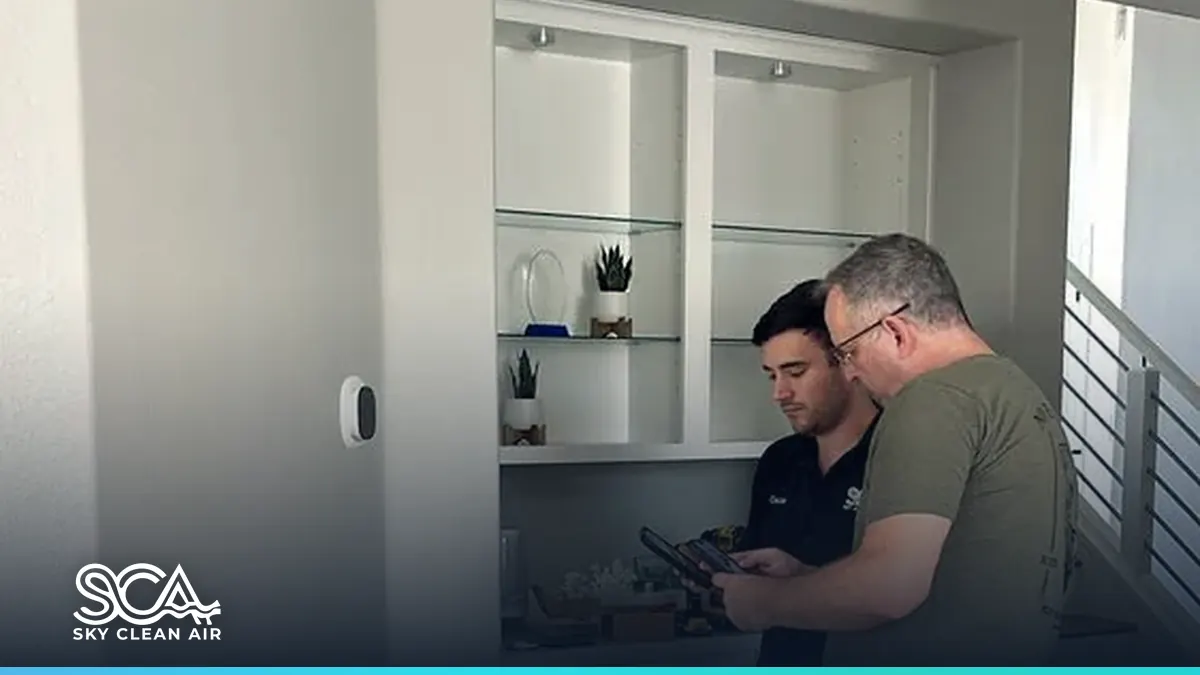
Before assuming the equipment has failed, check the thermostat. Dead batteries, the wrong mode, a schedule you forgot about or a thermostat mounted in a sunny or drafty spot can all look like equipment failure. Smart thermostats can also lose their Wi-Fi connection or have wiring issues after installation.
If the thermostat screen is blank, check the batteries and the breaker before assuming the system has failed.
Ductwork problems
In most homes here, ducts run through the attic. Flex duct can tear, sag, get crushed or pull loose from its fittings, and rodents sometimes chew through it. Leaky ducts waste conditioned air, leave rooms uncomfortable and pull dusty attic air into the house.
Strange noises
New sounds are often the first warning that something is wearing out:
- Squealing: a worn belt on older units, or a motor bearing.
- Banging or clanking: a loose or broken part, often in the blower.
- Clicking without starting: an electrical or ignition problem.
- Buzzing or humming: often a failed capacitor or contactor.
- Whistling: airflow restriction or a duct leak.
Which problems can you handle yourself?
Homeowners can safely change filters, check thermostat settings and batteries, reset a tripped breaker once, clear debris from around the outdoor unit and flush a condensate drain with vinegar. Anything involving refrigerant, gas lines, burners or the electrical parts inside the units should be left to a technician.
How do you prevent most of these problems?
Regular maintenance catches most issues before they become breakdowns. Change filters on schedule, keep the outdoor unit clear, make sure the drain line is flowing and have a technician service the system once a year, AC in spring and furnace in fall, or twice a year for heat pumps.
When something goes wrong, our HVAC repair and maintenance team serves homes across San Diego and Orange County. Check current specials for maintenance offers.